Pesticides
|
|
Ready to Partner with Us?Partner with MCN to build stronger EOH capacity—without reinventing workflows. MCN brings a tailored plan, targeted training, and implementation support to help teams deliver more consistent, work-centered care for workers and families. |

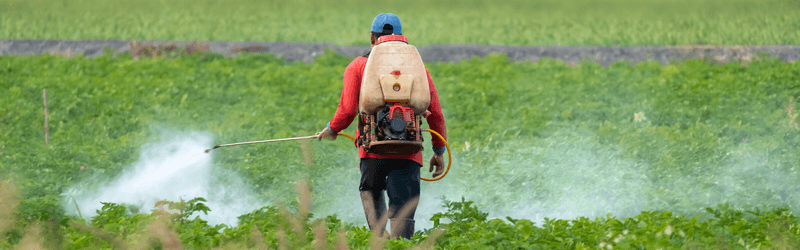
MCN has developed many resources to educate clinicians and others about the recognition and management of pesticide exposures. In addition, we have developed patient education materials to help farmworkers protect themselves and their families from exposure to these harmful, toxic chemicals.
Pesticide Exposure Reporting and Workers' Compensation Map
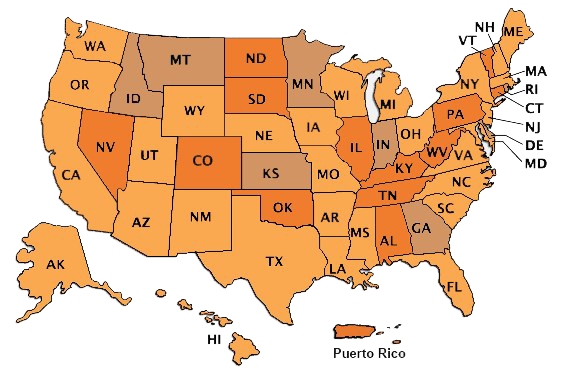
In 30 states, clinicians are required to report pesticide exposure cases. Developed with Farmworker Justice, MCN's Pesticide Exposure Reporting Map provides clinicians with state-specific pesticide reporting requirements and appropriate surveillance agencies. We’ve also included state-specific Workers' Compensation criteria and agencies responsible for enforcing the Worker Protection Standard.
MCN's Pesticide Comic Books
 MCN's pesticide comic books inform farmworkers and their families about pesticide exposures. According to our constituents, these Spanish-language patient education resources are a very useful tool to educate farmworkers and their families and to illustrate ways to minimize pesticide exposure.
Download MCN's Pesticide Comic Books
|
|
Juan Abre los Ojos: como protegerse de los pesticidaspresents in a very simple and entertaining way what are the sources of exposure to pesticides, their short- and long-term effects on the body, and what can be done to protect oneself from them. |
|
|
Aunque Cerca… Sanotargets farmworker families to educate parents about children’s risks to pesticide exposure. |
|
|
Poco Veneno… No Mataoffers an educational story and messages about risks from pesticide exposure and ways to minimize these risks in the home setting. |
|
|
Lo Que Bien Empieza… Bien Acabaaddresses pesticide exposure in women of reproductive age. |
|
|
Clear the Air! Protect Your Health from Bad Airdiscusses air quality and work hazards for farmworkers. |


How to Prevent Pesticide Poisoning in Farmworkers | Three-Part Webinar Series
This three-part webinar series draws on clinical case studies to help clinicians recognize and manage acute and sub-acute poisonings, understand the regulatory requirements and best practices related to pesticide exposures, and be familiar with clinical resources and educational materials to help farmworkers prevent exposures and know what to do in case of a poisoning.
Watch the full series here.

Worker Protection Standard Pesticide Safety Training Curriculum and Resources
Worker Protection Standard Pesticide Safety Training Curriculum - Curriculum with supporting resources for training workers on the revised Worker Protection Standard. Developed by the Florida State University PISCA Project and MCN.
Do you know your rights as a farmworker?
Re-entry interval / Interval de reentrada - Video:
https://youtu.be/nXq1Bv45Rts?si=h4lHqqZ2F4oMVhQm
Central Posting Area / Cartelera Central - Video:
https://youtu.be/K9pdLUDkW4w?si=WFtI0ZbBlqugEO7k
Designated Representative / Representante Designado - Video:
https://youtu.be/PsvfR831-lU?si=5zglxG1yhq4z4VQ4
Application Exclusion Zone / Zona de Exclusion de Aplicacion - Video:
https://youtu.be/ePCIdvAX2mk?si=JWyDMm28uEOTjoZ3
Pesticide Clinical Tools and Resources
|
|
Acute Pesticide Exposure Clinical GuidelinesMCN's Pesticide Clinical Guidelines and Pesticide Exposure Assessment Form assists in the recognition and management of acute pesticide exposures in primary care settings. |
|
|
Cholinesterase Testing Protocols and AlgorithmThese clinical tools provide a concise and simple format for clinicians to use as guides in managing care for patients working with Class I and Class II organophosphates (OP) or OP and N-methyl-carbamates. |
|
|
Recognition and Management of Pesticide PoisoningsEPA’s Recognition and Management of Pesticide Poisonings, 6th Edition, is an essential guide for health care providers on pesticide toxicology, diagnosis, and treatment. Includes a comprehensive index of signs and symptoms and important resources. |
|
|
Clinician Guides for Farmworker Health and Safety RegulationsMCN and Farmworker Justice offer these guides to assist clinicians in understanding farmworker health and safety regulations. OSHA’s Field Sanitation Standard; EPA's Federal Insecticide, Fungicide, and Rodenticide Act (FIFRA); EPA's Food Quality Protection Act (FQPA); EPA’s Worker Protection Standard (WPS). |
|
|
Environmental and Occupational Health Screening Questions for Primary CareThree concise and effective environmental/occupational health screening questions for the primary care provider. English and Spanish. |
 |
University of Illinois - Chicago: Pesticides Training Materials Access UIC's new Pesticides Safety Poster in English and Spanish, and other resources, through their Pesticides Training Materials |


Is Your Clinic Ready For an Emergency?
This video describes a pesticide poisoning incident and how it affected a community health center.