Five on Friday: Nonprofits, Worker Health, and Immunization
Welcome back to Five on Friday! May is Mental Health Awareness Month, and we’re here to remind you how important it is to take care of your well-being not just this month, but every day. As you do something kind for yourself today, whether it’s going on a walk or sipping on your favorite beverage and taking a quick break, we hope this week’s double Weekly Win helps a little to lift your spirits, should you need it.


Pam provided an article from the KFF, covering a plethora of data regarding the budget resolution, and the implied spending cuts to Medicaid. It explains how the response to these cuts may vary state to state, depending on population composition and program priorities. States have certain characteristics that put them more at risk, meaning the cuts could have a larger impact on the availability of care for certain patients. Responding to Federal Medicaid Reductions: Which States Are Most at Risk?
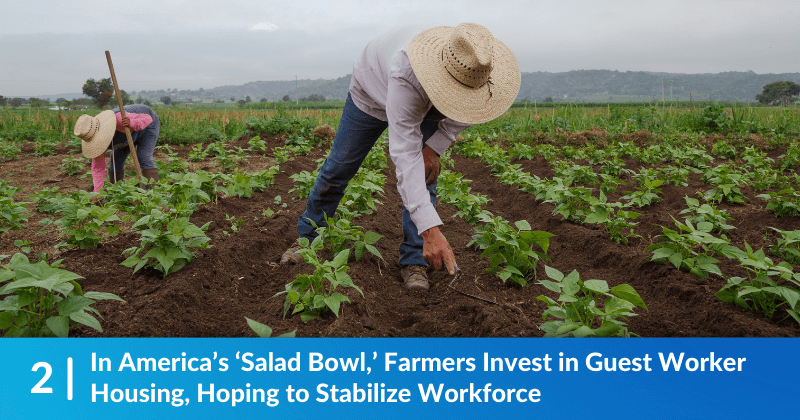
Kaethe shared this article from the Los Angeles Times, which discusses the increase in the development of housing for H-2A workers in central California. The move was made in response to the increase in temporary workers in the area, as policy changes have led agricultural companies to struggle to maintain a workforce and prevent crops from remaining unpicked in the fields. However, there are mixed opinions about the decision from community members, county employees, and other farmworkers that are unable to benefit from these additional housing opportunities. In America’s ‘Salad Bowl,’ Farmers Invest in Guest Worker Housing, Hoping to Stabilize Workforce

Sonia offered this report from NPR, coverage on the FDA’s new COVID-19 vaccine plan, which would prioritize immunizations for populations at higher risk of developing the disease, such as those with prior health conditions and those over 65 years old. This move could make it more difficult for younger people and those at lower risk to obtain boosters. Additionally, insurers may decide to no longer cover vaccine costs, creating a greater expense for patients. A Stricter FDA Policy for COVID Vaccines Could Limit Future Access
Theressa sent in this great update from the American Liver Foundation, which has developed a Spanish-language registry for patients with all types of liver disease. Marked as the first-ever registry of its kind available in Spanish, it aims to diversify the information available to researchers related to how liver disease may affect patients. This is done through the inclusion of more diverse populations in the data sets, which helps to inform new treatments and cures for liver disease. American Liver Foundation Announces Spanish Language Registry for All Types of Liver Diseases

Weekly Win: Prevention works! This win, sent in by Esther from The Guardian, announces the incredible reduction in infant hospitalization due to RSV. When compared to RSV seasons in 2018 and 2020, hospitalizations in children under seven months dropped by 56% this year, a result in the increase of infant vaccination and preventative treatments for newborns. In addition to the decrease in infant hospitalizations, children who did develop RSV experienced less severe illness and required lower levels of care. Dramatic Dip in Baby Hospitalizations for RSV Linked to Vaccine and Treatment
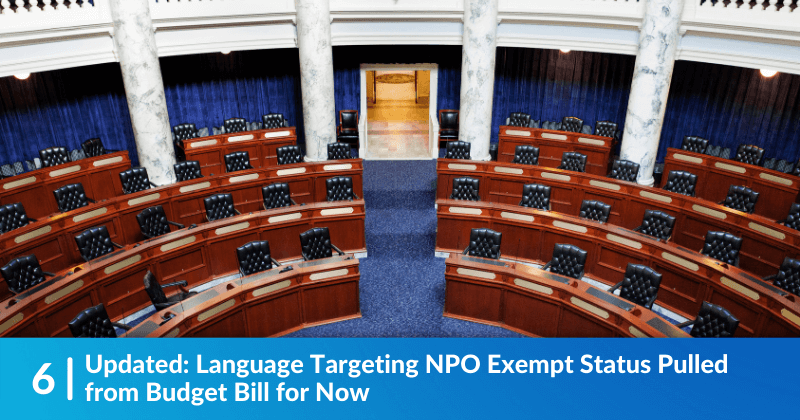
Weekly Win: Nonprofits can heave a much-needed sigh of relief this week. The controversial language added to the House reconciliation budget bill which stated that nonprofits could lose their tax-exempt status without due process has been deleted from the bill, reports The NonProfit Times. There is still much more that needs to be done to ensure nonprofits, like MCN, can continue to provide resources and support to the populations in our care, but this is an important first step. Updated: Language Targeting NPO Exempt Status Pulled from Budget Bill for Now
Have a safe and healthy weekend!
- Log in to post comments