x

Pain Management & Opioid Misuse Learning Collaborative

Series Image
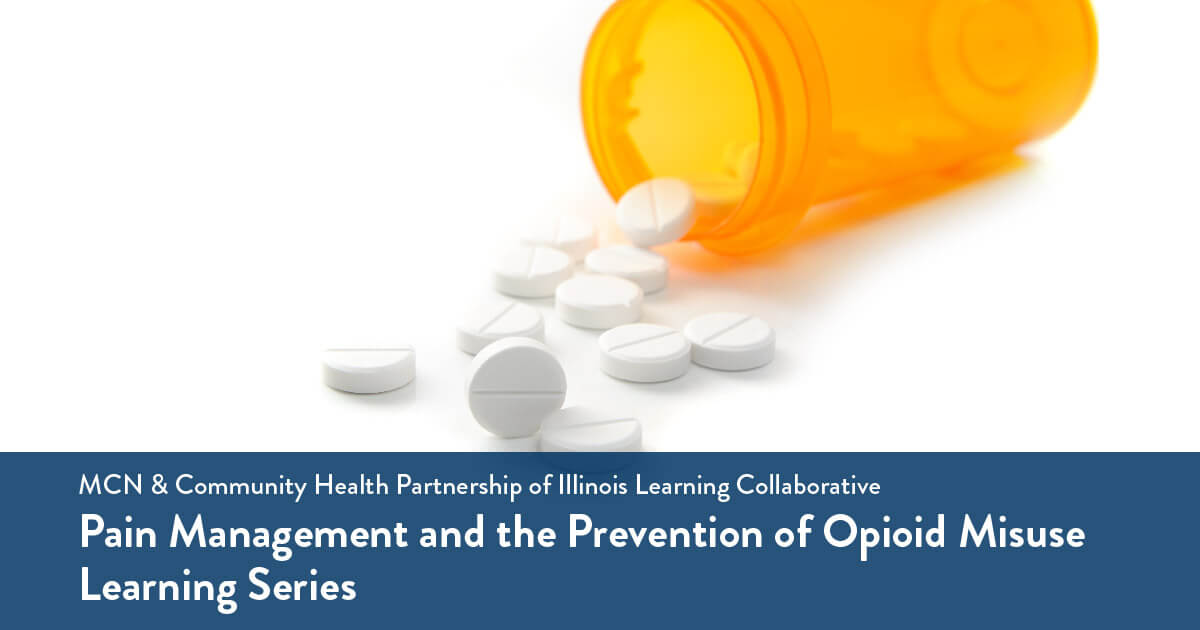
A bottle of prescription strength pills spilling out of a child proof pill container that is missing it’s cap
Description

While the assessment and treatment of pain is a universally important health care issue, modern medicine still struggles to agree on a method to measure pain perception. Difference among individuals based on culture, gender, age and a variety of characteristics means that although nearly all people experience pain sensations similarly, studies show there are important differences in the way people express their pain and expect others to respond to their discomfort. There are often conflicting attitudes about using pain medication. An understanding of the impact of culture on the pain experience is important in assuring effective patient care. This session will review a series of considerations when developing and approach to pain management, addressing some of the most common issues faced by patients and providers.

Sessions in This Series

  1. Description

    While the assessment and treatment of pain is a universally important health care issue, modern medicine still struggles to agree on a method to measure pain perception. Difference among individuals based on culture, gender, age and a variety of characteristics means that although nearly all people experience pain sensations similarly, studies show there are important differences in the way people express their pain and expect others to respond to their discomfort. There are often conflicting attitudes about using pain medication.

  2. Description

    Prescription opioid use and misuse have reached a crisis level in the U.S., with roughly 58 opioid prescriptions for every 100 residents in 2017 and more than 46 people dying daily from overdoses involving prescription opioids. (Source: Centers for Disease Control Opioid Prescribing Rate Maps). Although treatment plans and improved support options for managing opioid medications for individuals with chronic pain are being developed, implementing these evidence-based strategies in real world primary care settings can be challenging.

  3. Description

    We are pleased to offer this special series to clinicians working with Community Health Partnership of Illinois.  These three sessions will provide important information and give you an opportunity to have a more in-depth discussion about these critical issues when working with agricultural workers and other underserved populations experiencing pain.