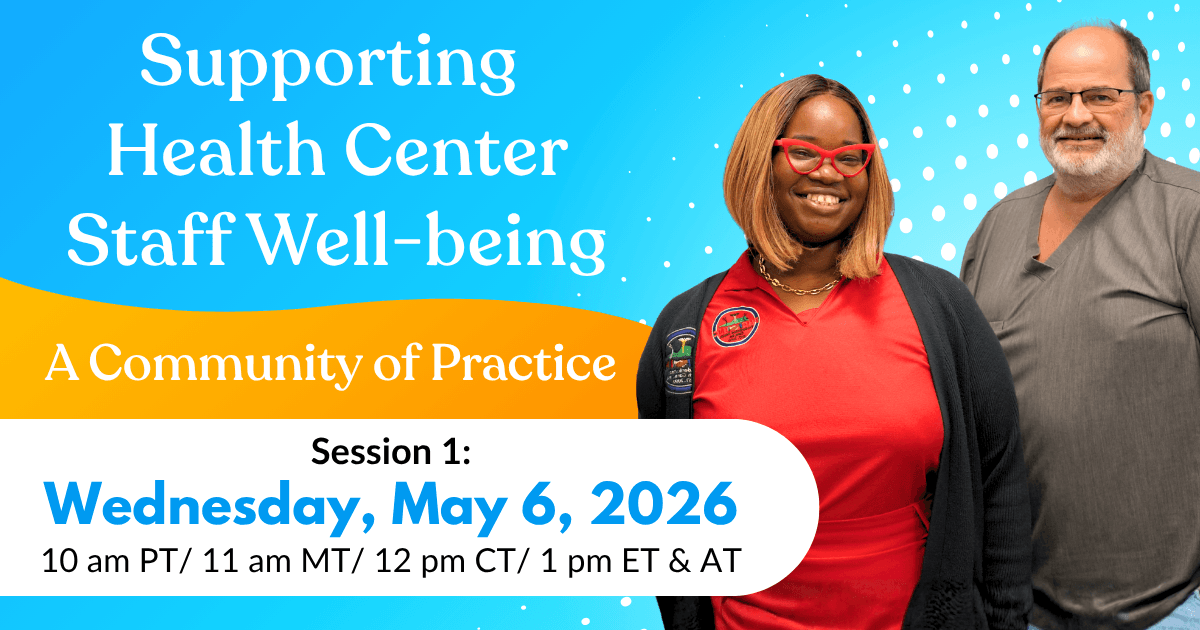
MCN is pleased to announce our upcoming community of practice series, Supporting Health Center Staff Well-being for health center managers and supervisors. This four-part series will address topics relating to stress first aid, well-being strategies, and the Witnessing Model, an emerging framework for understanding and responding to the experience of bearing witness to other’s stories and experiences.
The first session in the series is on May 6, and the registration deadline is April 17.

At the conclusion of this series, participants will be able to…
-
Apply mental health-informed frameworks to everyday interactions with staff and patients.
-
Implement leadership strategies that foster a culture of trust and openness.
-
Practice frameworks that strengthen trust, empathy, and communication across teams.
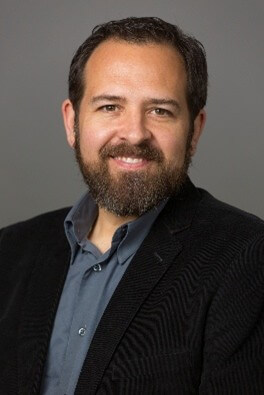
Series Moderator: Pamela Secada-Sayles, EdD, MPH
Session Dates
Session 1: May 6, 2026
Session 2: May 13, 2026
Session 3: May 20, 2026
Session 4: May 27, 2026
Session Time
10:00 pm PT / 11:00 am MT / 12:00 pm CT / 1:00 pm ET & AT
Duration: 60 minutes
Session 1- Introduction to the Witnessing Model and Psychological Safety
May 6, 2026
This session will provide participants with an introduction to the Witnessing Model, a model to help understand the emotional impact of working high stress jobs with clients who are themselves experiencing high levels of stress. We will then explore how supervisors and managers can create environments where staff feel supported, respected, and able to speak openly.
Learning Objectives: At the conclusion of this session, participants will be able to:
- Understand the Witnessing Model
- Understand what psychological safety is and how it supports team well-being.
- Identify concrete ways to build trust and openness.
Presenter: Pamela Secada-Sayles, EdD, MPH

Pamela is a Senior Program Manager for the Mental Health and Well-being team at Migrant Clinicians Network. She earned her Doctor of Education in Organizational Change and Leadership from the University of Southern California, her Master’s in Public Health from the University of California, Los Angeles, and her Bachelor’s in Anthropology and Chicana/o Studies from California State University, Fullerton. Her doctoral research focused on examining organizational and leadership practices that impacted employee well-being during the pandemic.
Session 2- Stress First Aid: A Brief Overview
May 13, 2026
Stress First Aid (SFA) is a practical, flexible framework to both prevent negative outcomes related to psychological stress and to improve recovery from stress reactions, both in oneself and in coworkers. The model promotes peer support, mentorship and leadership actions that help to identify and address early signs of stress reactions in an ongoing way. In this brief overview of SFA for clinicians, we will review the core tenets of the model and give a few examples of implementation and practical application.
Learning Objectives: At the conclusion of this session, participants will be able to:
- Describe 2 ways the human stress reaction can impact functioning at work
- Identify at least one sign of the stress level represented by each zone of the Stress Continuum
- Cite at least one action to implement each of the “7 C’s” of Stress First Aid
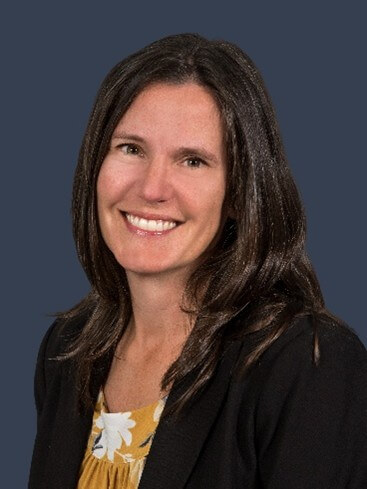
Presenter: Dr. Heather Hartman-Hall
Session 3- Peer Support in Healthcare
May 20, 2026
Peer support programs are an established intervention in healthcare designed to assist workers who may regularly encounter difficult events and seek support from their colleagues. Rather than relying on informal support, peer support programs implement a structured approach to help those in healthcare support one another by relating over common experiences. This session will introduce the foundations of peer support, as well as review key components and necessary resources to launch and develop a successful peer support program.
Learning Objectives: At the conclusion of this session, participants will be able to:
- Describe the purpose and core components of peer support programs in healthcare.
- Explore common peer support interactions and review training needs for peer supporters.
- Identify key resources, steps, and organizational considerations for launching and sustaining a peer support program
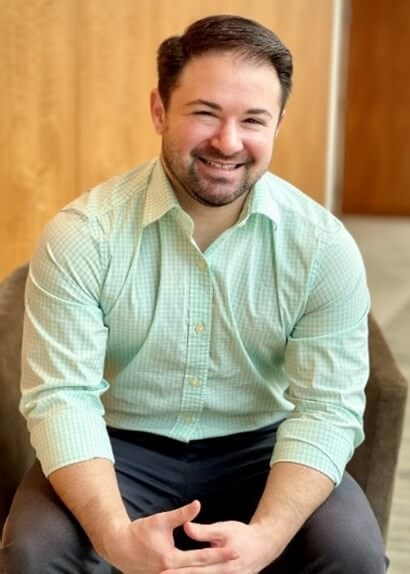
Presenter: Eli Mandel, LCSW
Session 4- The Science of Bite-sized Well-being During Uncertain Times: Evidence, Practice and Resources to Share
May 27, 2026
The audience will review evidence published in top tier journals that both validates and normalizes their emotional exhaustion, and demonstrates that as much as the pandemic was associated with an increase in burnout, we now know through clinical trials that bite-sized well-being interventions can cause well-being to improve in the same magnitude. What took the pandemic 3 years to do can be undone in 10 days using these interventions. This presentation explains the science behind the interventions to improve workforce well-being, and demonstrates the prevalence and severity of well-being deficits, all while informing, comforting, and inspiring a weary work-force.
Learning Objectives: At the conclusion of this session, participants will be able to:
- Demonstrate the changing patterns of well-being in the workforce over the past several years.
- Review and evaluate bite-sized resources and interventions that improve well-being.
- Understand how bite-sized interventions cause significant and enduring improvements in well-being.
Presenter: Bryan Sexton, PhD