Should Farmworkers with Legal Status Be Able to Get Health Care? Read Our Comments
Last week, Migrant Clinicians Network teamed up with three organizations — Farmworker Justice, Health Outreach Partners, and National Center for Farmworker Health — to oppose the US Department of Health and Human Services’ reinterpretation of the term "federal public benefit” under the Personal Responsibility and Work Opportunity Reconciliation Act of 1996 (PRWORA). With this reinterpretation, farmworkers — even those who are in the United States with legal authorization to work through the H-2A program — will be unable to access primary and preventative health care, childcare, or other critical safety-net services. In this post, we reprint these joint comments. To be crystal clear: Everyone, regardless of their immigration status, should be able to go to the doctor when they need it. These comments focus on farmworkers, including those with legal status. For more on this attempt to remove health care access from those who need it most, please read MCN’s position statement: Health Care Access is a Human Right for Everyone. While the comment period has ended, Migrant Clinicians Network invites readers to contact their representatives to oppose the reinterpretation, to protect essential workers, ensure access to basic human rights, and reduce costs on the health system.
Farmworker Justice, Migrant Clinicians Network, Health Outreach Partners, and National Center for Farmworker Health jointly submit these comments in response to the U.S. Department of Health and Human Services’ (HHS) reinterpretation of the term “federal public benefit” under the Personal Responsibility and Work Opportunity Reconciliation Act of 1996 (PRWORA). The reinterpretation would vastly expand the definition of “federal public benefit” to community health centers and Head Start, among other services. We oppose this reinterpretation and its hasty implementation without the consideration of input from stakeholders. We are concerned about the impact this notice will have on farmworkers and their families, who rely on these services to support their health and wellbeing. Farmworkers are essential members of the U.S. economy and the rural communities in which they live and work. As a result of this reinterpretation, their ability to access primary and preventative health care, child care, and other critical safety-net services will be severely restricted.
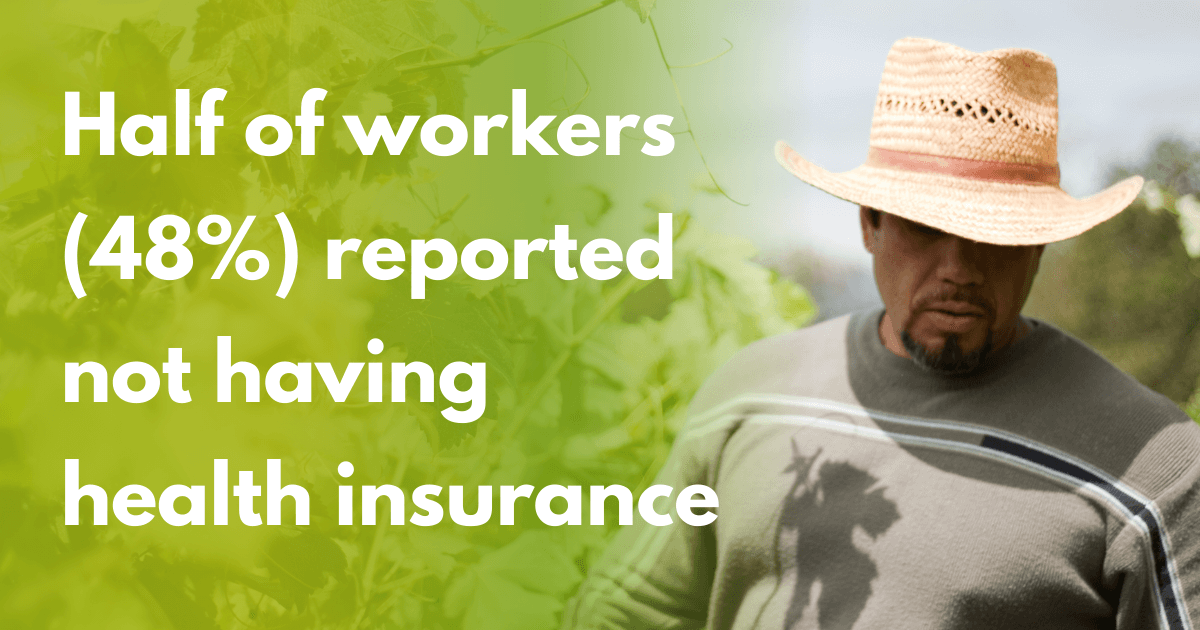
The organizations signing these comments provide training and technical assistance to health centers with the aim to increase access for farmworker communities to health care and other community resources. Health centers are the primary health care provider for many farmworker families. Few farmworkers can afford private health insurance, even if offered by their employer. According to the most recent National Agricultural Workers Survey, about half of workers (48%) reported not having health insurance. Further, uninsured workers were more likely to visit a community health center for preventative services; 75% of surveyed uninsured workers reported visiting a community health center for a primary care visit in the last 12 months. In 2024, 1,106,741 migratory and seasonal agricultural workers and their families were patients at health centers, according to data collected by the Bureau of Primary Health Care. Health centers remain the best and most affordable options for comprehensive health care for farmworkers and their families. The data underscores the importance of retaining access to these essential services for uninsured and underinsured farmworker families.
Based on [HHS’s reinterpretation of “public benefit”], farmworkers with legal work authorization, including non-immigrant H-2A workers, will not be eligible to receive health center services. Workers with H-2A visas are a growing segment of the agricultural worker population. Employers are increasingly relying on H-2A workers to fill their labor needs. Yet H-2A workers are less likely to have health insurance. Employers and workers alike rely upon health centers to ensure that they receive the health care they need. Health centers are best equipped to provide care to H-2A workers because they have long-standing relationships with the workers and the farms. Staff are often trained to find common issues for farmworkers, such as chemical exposure, heat-related injuries and musculoskeletal injuries. They often partner with employers to provide screenings and primary care, health and safety information, and emergency medical attention. Health centers also often support farmers by bringing mobile health clinics to the farms to provide services to their workforce, removing the burden of transporting their employees to the clinic. As more H-2A workers are brought into the United States, it is important that they are able to access the health care they need to ensure a healthy and productive workforce.
The restrictions under this public benefits notice will have devastating impacts for farmworker communities. Beyond limiting access to essential primary health care, the notice also extends the definition of public benefit to include Head Start. Head Start is a vitally important program that supports farmworker parents and promotes school readiness, setting up the children for success as they transition to public school. It is often the only option for child care for farmworker families, offering a safe space for children while they are at work, where the alternative has often been to bring small children to the fields. Health centers often partner with Head Start sites to provide health screenings to the children. This partnership tends to extend beyond the children, creating a primary care medical home for the entire family. While the vast majority of Head Start children are U.S. citizens, we are concerned about a chilling effect that may discourage parents from enrolling their children and participating in Head Start activities. Further, the regulatory impact analysis suggests that HHS may seek to deny Head Start services to citizen children whose parents are not qualified immigrants.
The reinterpretation of public benefits under PRWORA, as outlined in this notice, will have far-reaching implications. Rural communities will be less healthy without consistent access to primary care. When farmworkers cannot access preventative and primary care, their health conditions may worsen. These workers will be likely to avoid care until their health concern becomes an emergency, and will turn to rural hospitals for care for their advanced diseases. Rural hospital systems, already financially strained, will be required to absorb these additional costs of care that could have been avoided with earlier, less expensive, and more effective care at a health center.
A productive and stable food system requires healthy workers. The more than two million farmworkers who labor on America’s farms make invaluable contributions to the country. They drive enormous amounts of economic activity, both through their role in the production of our nation’s food supply and as consumers of local goods and services. We urge HHS to suspend implementation of this notice and return to the guidance that has been in effect since 1998.
Learn more about the other signatories of these comments:
- Log in to post comments