MCN Position Statement: New Tax Law Will Lead to Unnecessary and Costly Health Impacts on Immigrant Families
Migrant Clinicians Network is deeply concerned with the passage of the “Big Beautiful Bill”, which pushes immigrant families into the shadows, further entrenching inequities that leave many in our communities sicker, poorer, fearful, and unable to access the care that they need. The law is punitive rather than forward-thinking; it fails to address the underlying structural weaknesses in our immigration and health systems with evidence-based, humane solutions that reflect the real needs of the United States today.
Here, we very briefly address some of the areas in which the new law will negatively impact immigrant families. We invite you to read the analyses by the National Immigrant Law Center, KFF, and Global Refuge for more detail.

Health Care
The law excludes refugees, asylees, and asylum seekers from Medicaid, Medicare, and SNAP (federal food assistance), despite their legal presence in the US. When people have health care, they are able to access preventative and early treatment. These types of treatment are less costly to the health system. They also help individuals avoid painful, less effective, and more expensive treatments for more advanced disease that may require emergency and/or specialty care.
The law will also stop payments to hospitals for emergency care for those who are not eligible for Medicaid or Medicare. This could endanger the financial stability of rural hospitals and clinics that are already struggling to keep their doors open, endangering care access for the whole community. It is estimated that, in total, the law may result in 17 million people losing their health insurance, the largest rollback of health insurance coverage in our history. Among community health centers, an estimated four million people, immigrant and non-immigrant, will lose coverage. This bill shreds the health care safety net, which puts everyone’s health at risk.
We as clinicians have a responsibility to treat anyone who needs care, regardless of immigration status. This law tells us that our clinics have to foot the bill of uncompensated care to comply with the basic ethical duty of our occupation as clinicians. When the government refuses to invest in low-cost, preventive care up front, it shifts the much higher cost of emergency care onto the public. Taxpayers end up footing the bill through federally subsidized hospital payments, state and local budgets, and increased insurance premiums. This is not just a public health failure—it’s a fiscally irresponsible decision made by the very institutions that claim to be protecting our health and economy.
Detention
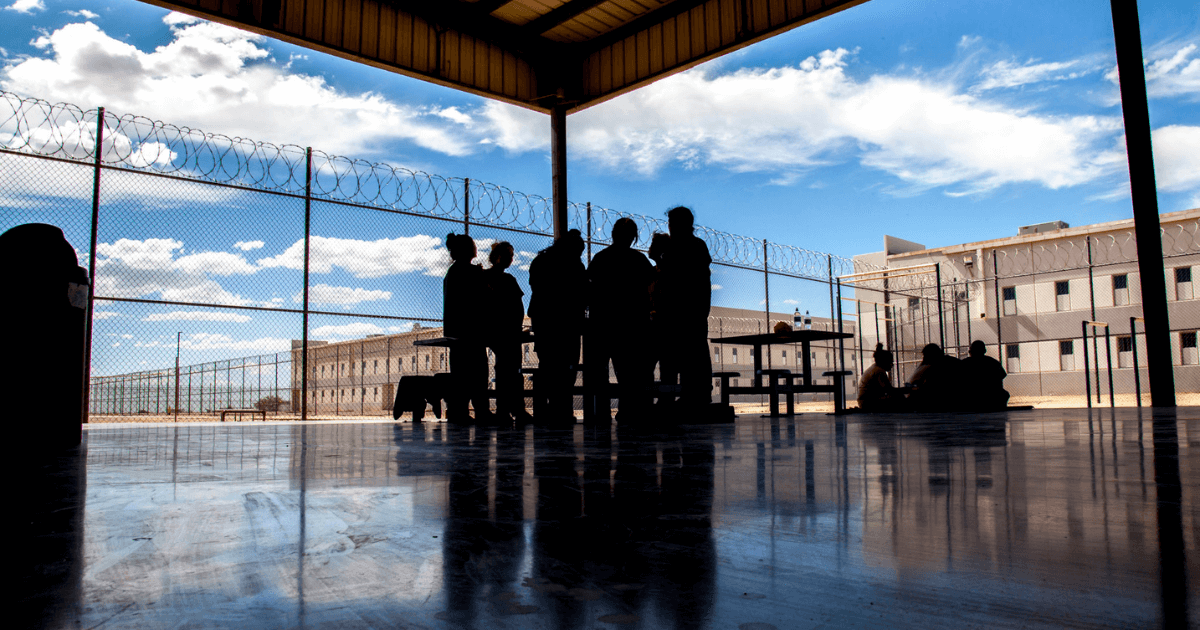
Our detention facilities, even before the recent ramp-up in ICE arrests, have resulted in suffering and deaths among detainees. The inhumane conditions that have been uncovered include inconsistent and often poor medical attention even when detainees desperately need it. It is well documented, and it is common sense, that detention is detrimental to children’s health. Detention causes psychological trauma and life-long mental health consequences. US detention has been found inhumane and fully unsuitable for children, even in the short term. Family detention goes against the basic health needs of children and must immediately stop. Instead, this bill dramatically expands family detention, and even allows for long-term and indefinite detention, in violation of the Flores Agreement.

Deportation
The fear of deportation is rapidly reshaping our communities, particularly among workers who are at high risk. We have heard nationwide anecdotal reports of people ceasing to go to work, no longer leaving the house, and avoiding health care even when they urgently need it. Chronic stress, trauma, and family separations resulting from an increase in deportation efforts have significant and well-documented long-term negative health impacts for every member of the family and for whole communities.
We clinicians have worked hard to build trust within our communities. This punitive immigration policy approach is undermining public health by eroding trust in systems designed to protect and support community well-being.

Enforcement
The law dramatically increases funding for militarized immigration police both at the border and in cities and towns across the nation. Increases in militarization at the border cause deaths, as it pushes desperate people who feel they have no other choice but to move further into dangerous remote desert routes. As people flee for their lives from dangers in their homeland, the border should have a fair system to speedily assess their asylum claims and due process for those who do not meet the asylum requirements. Instead, we are spending billions on a militarized force to prevent people – mostly unarmed young families fleeing persecution and poverty – from asking for their legal right to asylum.
Another path is possible. Migrant Clinicians Network believes that there are abundant practical solutions that reduce fear, improve public health, and reduce costs. Hospitals and health centers could be provided resources and a mandate to ensure every member of the community can access culturally attuned care, which improves the health of all of us –- all of our families , friends, coworkers, classmates, and neighbors – while it also strengthens the bonds of our communities, builds strong and lasting public health, lowers overall health costs for everyone, and saves lives.
- Log in to post comments