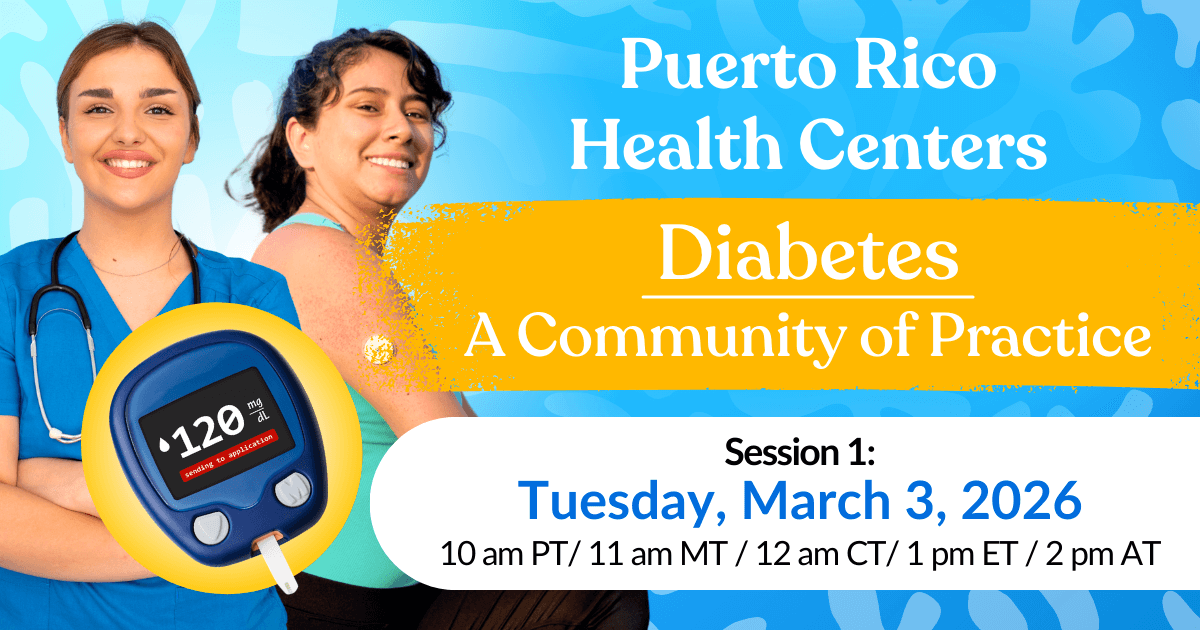
Join Migrant Clinicians Network (MCN) in their upcoming community of practice series designed for health promoters, case navigators, patient support staff, community outreach workers, and health educators at Puerto Rico health centers, focusing on diabetes care. Across this four-part Spanish language series experts will cover diabetes management, nutrition, prenatal health, and mental and behavioral health for patients with diabetes. This webinar will be presented in Spanish only.
Session Dates
Session 1 – Tuesday, March 3, 2026
Session 2 – Tuesday, March 10, 2026
Session 3 – Tuesday, March 17, 2026
Session 4 – Tuesday, March 24, 2026
Sessions Time
10 am PT / 11 am MT / 12 pm CT / 1 pm ET & AT
Session 1 (March 3) will have a one-hour difference between Eastern and Atlantic Time. Starting with Session 2 (March 10), due to Daylight Saving Time in the U.S., both time zones will align at 1:00 p.m.
Sessions Duration:
1 hour
Registration Link
Session 1: The role of community health workers in diabetes education and self-management
March 3, 2026
This session will examine the increasing importance of community health workers in educating patients and communities about effective type 2 diabetes care, highlighting their role from a public health perspective.
Learning Objectives: At the conclusion of this session, participants will be able to:
-
Analyze the role of community health workers in public health and in the prevention and control of diabetes.
-
Recognize the sociocultural factors that hinder diabetes control and management.
-
Identify MCN's diabetes comic book as a practical tool to support diabetes management and control.
-
Identify key elements of an emergency preparedness plan for people living with diabetes.
Presenter
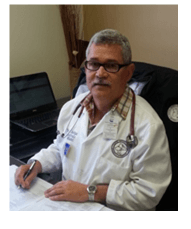
José Rodríguez, MD
Dr. José Rodríguez has worked at Hospital General Castañer, a Federally Qualified Health Center, since he completed his residency in Family Medicine in 1990 and has served as Medical Director since 2003.
Dr. Rodríguez has participated in numerous clinical and research projects aimed at improving the quality of patient care in his region. He has promoted cutting-edge initiatives through HRSA and the Health Disparity Collaborations. Week after week visitors will find Dr. Rodríguez educating a group of diabetic patients on self-management strategies or in the field, speaking with workers about the safety in the proper use and handling of pesticides. And this serves to demonstrate that Dr. Rodríguez is a committed, respected physician and an indispensable source of knowledge and care in this small rural community and in Puerto Rico.
Session 2: Nutrition and exercise in diabetes self-management
March 10, 2026
In this session, we will discuss the importance of exercise and maintaining a healthy diet as key components for successful diabetes self-management. We will also talk about the most appropriate food choices for certain populations of Spanish-speaking workers and emphasize the importance of understanding nutrition labels.
Learning Objectives: At the conclusion of this session, participants will be able to:
- Demonstrate how nutrition plays a key role in maintaining adequate HbA1c levels.
- Compare specific foods with other healthier alternatives.
- Analyze a nutrition label and determine the most appropriate options for people living with diabetes.
Presenter
Ivys A. Figueroa Sánchez, Dr.PH.
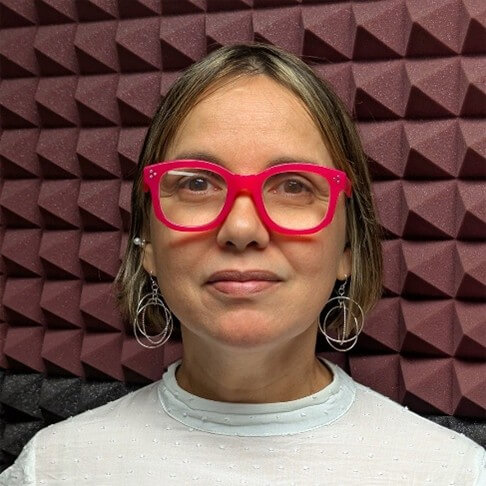
Dr. Ivys A. Figueroa Sánchez is a professor and health specialist at the Agricultural Extension Service, College of Agricultural Sciences, Mayagüez Campus of the University of Puerto Rico. Her areas of expertise are public and community health. She holds a PhD in public health from the Medical Sciences Campus of the University of Puerto Rico. She is a graduate of the University of Puerto Rico. She works in different areas of health, such as the prevention of chronic and infectious diseases, the promotion of healthy lifestyles, and addressing the conditions vital for a healthy life.
Session 3: Relationship between mental health and type 2 diabetes and other chronic diseases
March 17, 2026
This session will describe the relationship between mental health and physical health and how community health workers can help patients recognize signs that could potentially interfere with the success of type 2 diabetes self-management practices.
Learning Objectives: At the conclusion of this session, participants will be able to:
- Recognize how mental health and physical health are interrelated and how this relationship affects the successful management of type 2 diabetes, such as behaviors.
- Identify strategies to help people with chronic physical illnesses who also suffer from other mental conditions, such as depression and anxiety.
- Present up-to-date statistics on the prevalence of mental disorders in relation to the diagnosis of a chronic disease.
Presenter
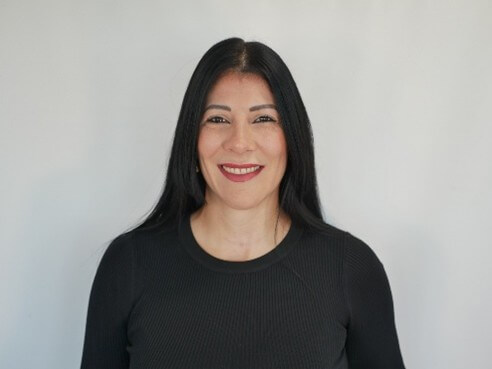
Ingrid Vargas Monroig, MS
Ingrid Vargas Monroig, a native of Arecibo, Puerto Rico, is the Director of the Behavioral Health Department at Hatimedik. A clinical social worker that has over 20 years of experience in the field of physical health and 11 years specializing in mental health and psychosocial well-being. She has extensive experience in clinical services coordination, assessment, crisis intervention, treatment planning, and supervising interdisciplinary teams.
In her current role, she leads administrative and clinical processes, ensuring compliance with policies, ethical standards, and regulatory requirements. Her management style is defined by strong leadership, sound decision-making, and a commitment to professional excellence.
Session 3: Gestational diabetes and prenatal health: strategies for community support
Tuesday, March 24, 2026
This session will address gestational diabetes and its impact on maternal and fetal health, highlighting the importance of early screening, effective management, and continuity of care before, during, and after pregnancy. An obstetrics and gynecology specialist will discuss how community health workers can support pregnant people with diabetes or at risk of developing it by promoting self-care practices, treatment adherence, and timely access to health services.
Learning Objectives: At the conclusion of this session, participants will be able to:
- Identify key challenges, signs, and basic criteria for detecting gestational diabetes.
- Recognize the importance of glycemic control during pregnancy to prevent maternal and neonatal complications.
- Describe the role of community health workers in supporting pregnant people with diabetes, including education, emotional support, and liaison with clinical services.
- Promote postpartum continuity of care to reduce the risk of type 2 diabetes in people with a history of gestational diabetes.
Presenter
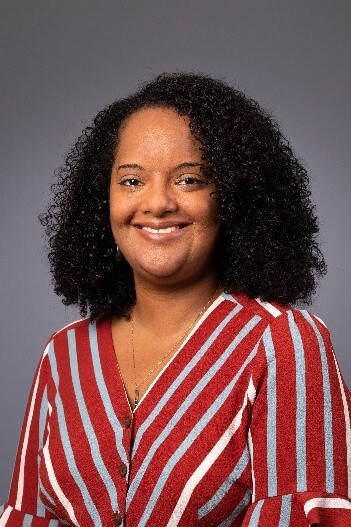
Paula M. Latortue Albino, MD
Dr. Paula Latortue Albino is a Haitian-Puerto Rican physician who completed her undergraduate education at Cornell University and graduated Magna Cum Laude from the University of Puerto Rico School of Medicine. She completed her residency at Boston Medical Center and has been a professor at Boston University School of Medicine, where she has provided full spectrum obstetrics and gynecologic care. In 2023, she joined the committee organizing the first Haitian Health Conference, which focused on the challenges of healthcare in Haitian and Haitian-American communities. She is currently a faculty member at George Washington University in Washington, D.C.