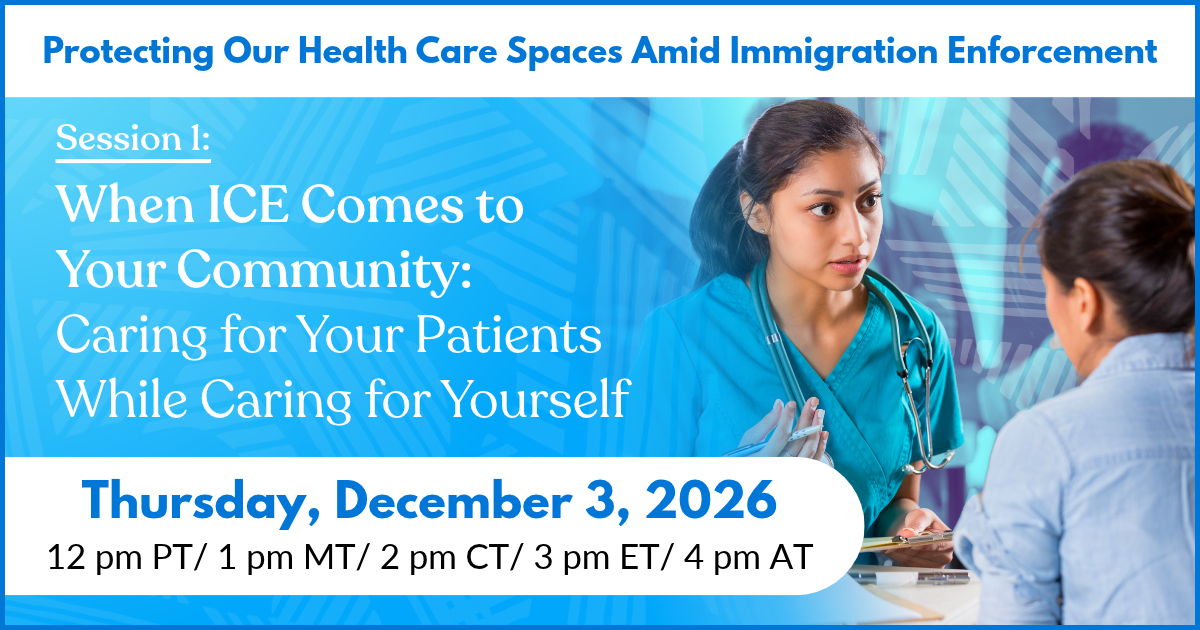
When ICE Comes to Your Community: Caring for Your Patients While Caring for Yourself
Across the country, heightened immigration enforcement is creating fear and uncertainty for immigrant communities and the clinicians who care for them. A federal policy that previously limited immigration enforcement actions in or near health care facilities has been rescinded, adding new concerns about patients’ access to care, safety, and privacy. Clinicians are navigating these challenges while continuing to provide compassionate, high-quality care, responding to patients’ increasing non-clinical needs, and confronting their own moral distress and emotional strain. In this session, we invite you to join two frontline physicians as they share their experiences caring for immigrant patients and offer practical strategies for supporting patients, themselves, and their colleagues during these times.
This session will be presented in English with simultaneous interpretation in Spanish.

At the conclusion of the session, participants will be able to…
- Reflect on and validate the emotional and moral impact of caring for patients and communities affected by immigration enforcement through shared experience, listening, and connection with colleagues.
- Apply trauma-informed approaches to support immigrant patients experiencing fear and uncertainty related to immigration enforcement while maintaining compassionate, patient-centered care.
- Use practical strategies to recognize and respond to moral distress and emotional strain associated with caring for patients affected by immigration enforcement.
- Implement individual and team-based practices that mitigate secondary traumatic stress and strengthen resilience and mutual support within the health care workplace.
Presenters

MD, FAAFP
Chief Medical Officer
Migrant Clinicians Network
Eva Gálvez, MD, FAAFP is a board-certified family physician and health care leader with over 16 years of experience providing comprehensive primary care in federally qualified community health centers. Throughout her career, she has focused on caring for immigrants, migrant and seasonal farmworkers, and other communities facing significant barriers to health care. She has extensive expertise in the prevention and management of chronic diseases, including hypertension and diabetes, as well as in addressing the unique health challenges affecting farmworkers and other vulnerable communities. The proud daughter of former migrant and seasonal farmworkers, Dr. Gálvez brings a deeply personal understanding of the social, economic, and cultural factors that influence health outcomes. She has presented nationally and locally on diabetes care, the social and economic factors that influence health outcomes, health disparities, and social determinants of health, and has provided policy leadership and legislative testimony on issues including farmworker rights, immigrant health coverage, environmental health, and COVID-19. She serves as Oregon Health Sciences University Affiliate Faculty. In 2024, she was appointed by the Secretary of Health and Human Services to the National Advisory Council on Migrant Health. Her clinical practice is at the Virginia Garcia Memorial Health Center in Hillsboro, Oregon.
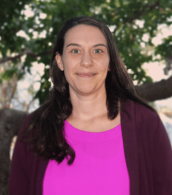
Modjulie Moore, MD is the Medical Director of the North Carolina Farmworker Health Program. She is an assistant professor and faculty physician at the University of North Carolina’s Family Medicine Residency program in Chapel Hill. She started her career in North Carolina practicing at Rural Health Group, a federally qualified health center in rural northeastern North Carolina. She was able to work collaboratively with community outreach workers in helping to provide needed care to the farmworker community. Following her experience in rural medicine, Dr. Moore transitioned to her current role at UNC Family Medicine Residency Program. She currently serves as a mentor and teacher to the many residents and medical students committed to improving communication and clinical skills to enhance delivery of culturally and linguistically appropriate care to patients in North Carolina and beyond. She brings to her patients and learners a perspective that highlights the importance of understanding community needs and providing a culturally engaging response. Within her role on faculty at UNC, she provides care at the Orange County Health Department, the UNC Family Medicine Center in Chapel Hill, as well as the seasonal mobile unit services in central North Carolina.
No cost for participants! Thank you to the generous donor who made this series possible. Your donations directly fund MCN’s work to support clinicians and their communities, including trainings like these. Donate to make sure we can continue to offer these important trainings and moments of connection. Suggested Donation: $15-$50.