Position Statement: Deportation Must Not Jeopardize the Health of Deportees
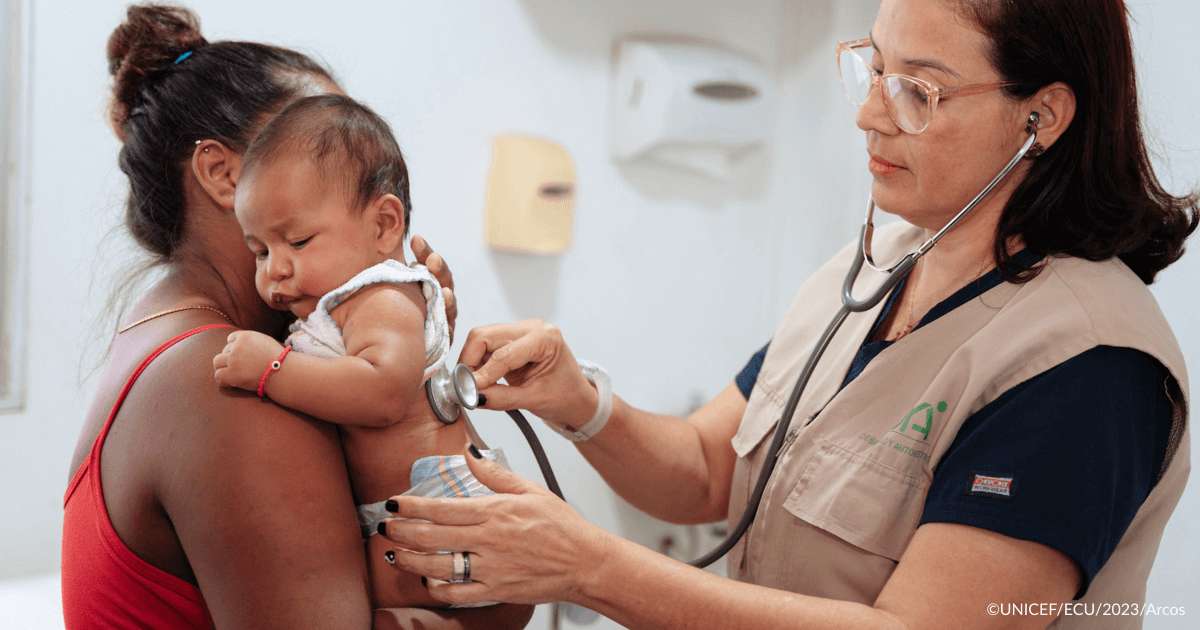
In recent weeks, multiple news articles have uncovered deportation events in which the health of children, either deported or left behind, is jeopardized, fracturing their care and putting their lives at risk. Some recent examples include:
- A four-year-old boy with a rare form of metastatic cancer who was deported to Honduras. He was removed from the country without consultation of his clinicians and without medication. Agents from Immigration and Customs Enforcements were alerted to the child’s condition but declined to consult the child’s clinicians. The child is a US citizen.
- A one-year-old with a seizure disorder who is still breastfeeding was separated from the child’s mother, who was deported. The child is a US citizen.
- A 10-year-old girl recovering from brain cancer was deported to Mexico. Her family was trying to get to an emergency medical appointment when they were stopped at an immigration checkpoint. She is still experiencing brain swelling which is affecting her speech and mobility, her mother said. The child is a US citizen.
These actions are cruel and unnecessary, and directly threaten the physical, emotional, and mental health of vulnerable children. To be clear, these few cases have likely been covered by the news because members of the families had the resources and immigration status to legally pursue rectification. It is unknown how many children with urgent medical needs have been placed in detention, deported, or left behind when parents were deported. Families who lack legal representation, lack the finances to secure representation, or lack secure immigration status may hesitate to raise their concerns openly due to fear of reprisal.
These cases of gross neglect for the health of children in fragile medical states point to the larger issue of the significant and dangerous physical and mental health impacts of detention and deportation. The fundamental rights of all individuals, including their right to health care, must be upheld even when being detained or deported.
“Medical care is a human right, for all people,” said Laszlo Madaras, MD, MPH, Chief Medical Officer for Migrant Clinicians Network, who as a family physician has cared for hundreds of migrant families and himself was a migrant to the United States as a child refugee. “We must ensure that anyone in the care of our systems of deportation or detention is afforded their basic human rights – whether they have a green card or a gold card or are holding no good cards at all.”
On an individual level, as in the case of these children, deportation proceedings must include alternative pathways that prioritize urgent health needs. Humanitarian parole, deferred action, and other relief measures can ensure continuity of care. MCN’s Health Network, which provides virtual case management, can assist in securing care. Without such safeguards, individuals with life-threatening conditions face deportation to countries and regions where adequate treatment is unavailable, effectively turning immigration enforcement into a death sentence.
Across our immigration system, mass detention and deportation efforts can have severe, lasting impacts on the physical and mental health of immigrant families. These practices often interrupt access to critical medical services, exacerbate existing health conditions, and cause profound psychological distress. Detention environments themselves are frequently unsafe for people with medical needs, and the constant threat of deportation can deter families from seeking needed health care out of fear. Respecting human rights in immigration enforcement is not just a legal or ethical imperative; it is necessary to prevent deep harm to vulnerable individuals and communities.
More:
- Potential Impacts of Mass Detention and Deportation Efforts on the Health and Well-Being of Immigrant Families is a new article by KFF.
- Words Matter: The Impact of Anti-Immigrant Rhetoric and Policies on Clinicians and Patients, a series of articles, webinars, and videos that uncover the health impacts of negative rhetoric to support clinicians serving migrant and immigrant patients. Provided by Witness to Witness, a program of Migrant Clinicians Network.
- Because Health Can’t Wait. MCN has lost significant funding and more funding is threatened – but we are dedicated to continuing to provide the urgent health education, resources, and tools to clinicians, so they can best care for their migrant and immigrant patients. Support our clinical network by providing donations of any size. Donate today and your gift will be doubled, thanks to a generous donor.
- No More Adverse Childhood Experiences (NACES) Report summarizes the work that MCN and partners completed to educate, screen, and intervene to address Adverse Childhood Experiences (ACEs).
- “You Will Never See Your Child Again”: The Persistent Psychological Effects of Family Separation, is a comprehensive report by Physicians for Human Rights.
- The Mental Health Effects of Migrant Family Separation, published in the Journal of the American Academy of Child and Adolescent Psychiatry.
- Log in to post comments