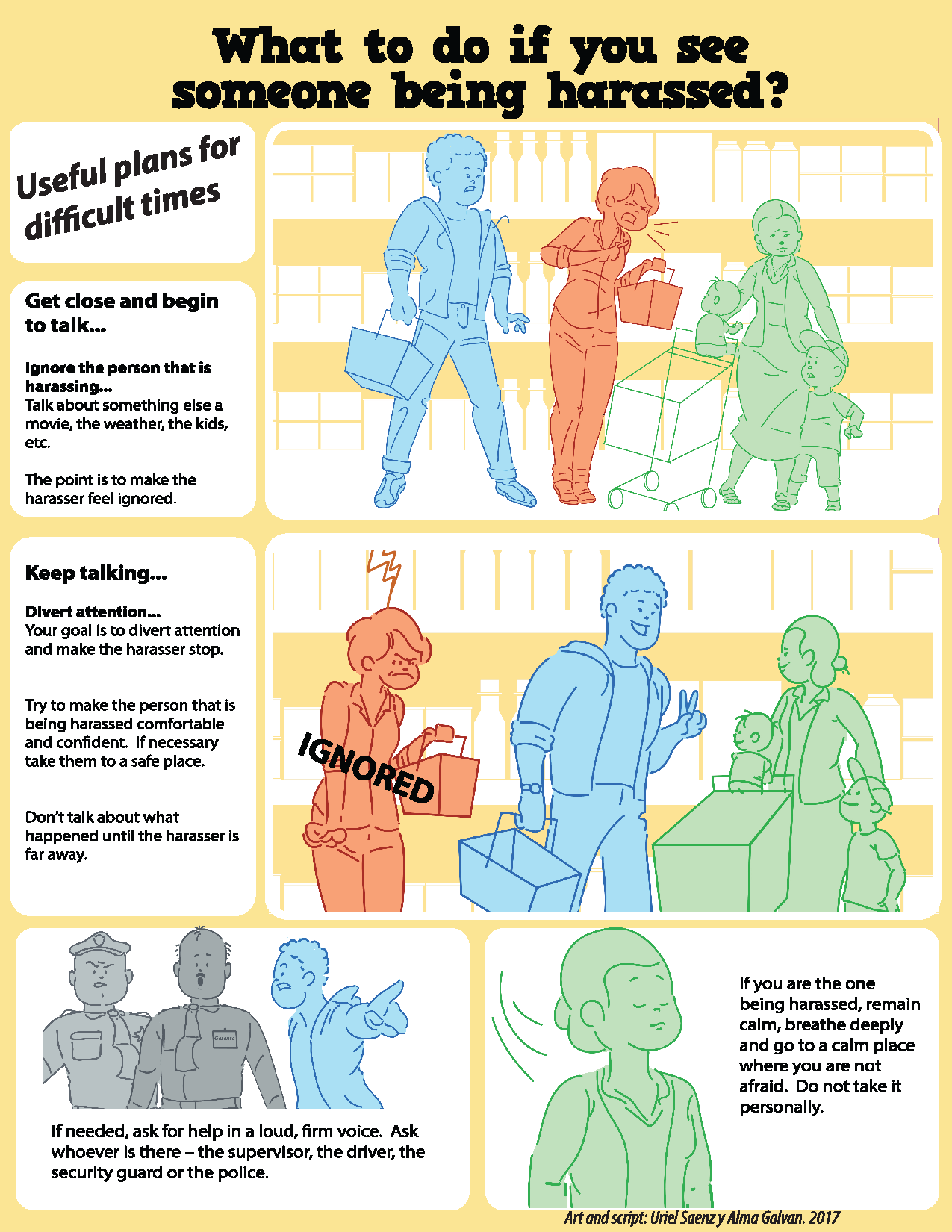
A guide to know how to react when you see someone being harassed. Art and script by Uriel Saenz and Alma Galván.
A guide to know how to react when you see someone being harassed. Art and script by Uriel Saenz and Alma Galván.
Chapter 14: Pesticides Are Poison from the Hesperian.org health guide: A Community Guide to Environmental Health.
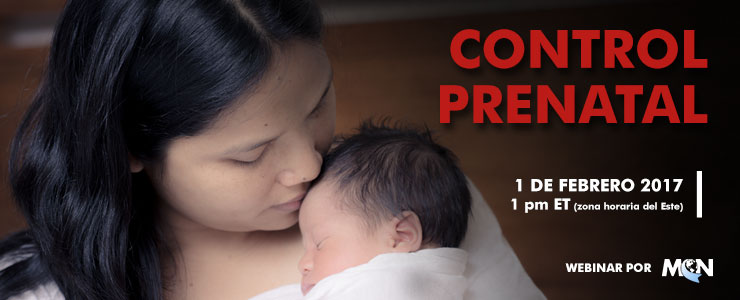
FECHA DE GRABACION: 1 de Febrero 2017, 1 pm ET (zona horaria del Este)
ORADORAS: Ileana Ponce-González, MD, MPH, CNC and Candace Kugel, FNP, CNM, MS
Para recibir credito de Trabajador/a de Salud Comunitaria o Educacion de Continua de Enfermera después de ver alguno de estos seminarios usted debe hacer lo siguiente:
En este seminario se identificaran las dos medidas de rendimiento de HRSA relacionados con el cuidado del embarazo, así como los dos factores de riesgo únicos para las mujeres embarazadas de los trabajadores agrícolas migrantes. También se reflexionar sobre el papel de los trabajadores sanitarios de la comunidad para mejorar el acceso a la atención prenatal de las mujeres embarazadas.
This project is supported by the Health Resources and Services Administration (HRSA) of the U.S. Department of Health and Human Services (HHS) under cooperative agreement number U30CS09742, Technical Assistance to Community and Migrant Health Centers and Homeless for $1,094,709.00 with 0% of the total NCA project financed with non-federal sources. This information or content and conclusions are those of the author and should not be construed as the official position or policy of, nor should any endorsements be inferred by HRSA, HHS or the U.S. Government.
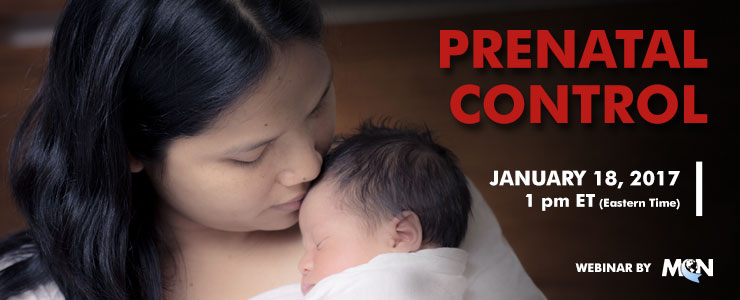
DATE: January 18, 2017
SPEAKERS: Candace Kugel, ARNP, CNM
To receive CME* or CNE credit after viewing this webinar, you must:
In this seminar participants will be able to identify the HRSA performance measures related to pregnancy care, as well as two unique risk factors for pregnant women migrant farm workers during the workshop. We will also reflect on the important role that community health workers play in improving access to prenatal care for pregnant women.
This project is supported by the Health Resources and Services Administration (HRSA) of the U.S. Department of Health and Human Services (HHS) under cooperative agreement number U30CS09742, Technical Assistance to Community and Migrant Health Centers and Homeless for $1,094,709.00 with 0% of the total NCA project financed with non-federal sources. This information or content and conclusions are those of the author and should not be construed as the official position or policy of, nor should any endorsements be inferred by HRSA, HHS or the U.S. Government.
A flier created by the CDC's National Diabetes Education Program as a guide for patients in the management of medicines to treat diabetes. Available in English.
Free and confidential consultation for clinicians from the Clinician Consultation Center at San Francisco General Hospital focusing on substance use in primary care
Objectives of the Substance Use Warmline:
Consultation topics include:
The CCC’s multi-disciplinary team of expert physicians, clinical pharmacists and nurses provides consultation to help clinicians manage complex patient needs, medication safety, and a rapidly evolving regulatory environment.
Learn more at http://nccc.ucsf.edu/clinician-consultation/substance-use-management
This 90-minute webinar was created for physicians, nurses, and other health professionals who treat and case manage patients with active TB. The webinar introduced the 2016 Official American Thoracic Society/Centers for Disease Control and Prevention/Infectious Diseases Society of America Clinical Practice Guidelines: Treatment of Drug-Susceptible Tuberculosis. This training highlighted the guidelines development process, the key changes in recommendations, and discussed the evidence supporting the changes. The webinar was originally presented on November 4, 2016. This training was jointly sponsored by all 5 RTMCCs.
An educational comic book on the prevention of zoonotic illnesses. Developed by MCN in collaboration with Ohio State University.

DATE RECORDED: August 17, 2016 at 1 pm ET
PRESENTED BY: Amy Liebman, MPA, MA and Wilson Augustave, member of MCN’s Board of Directors and Senior HIV Case Manager at Finger Lakes Community Health
This material will be produced under grant number SH-27640-15-60-F-48-SH5 from the Occupational Safety and Health Administration, U.S. Department of Labor. It will not necessarily reflect the views or policies of the U.S. Department of Labor, nor does mention of trade names, commercial products, or organizations imply endorsement by the U.S. Government.
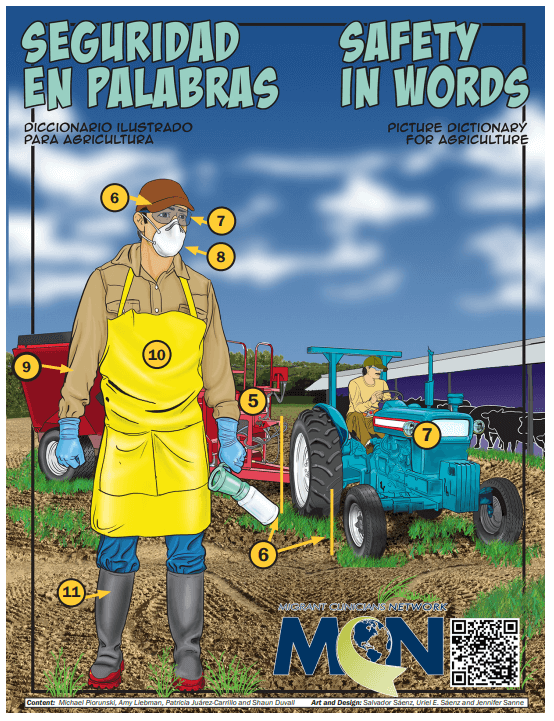
Este diccionario ilustrado bilingüe de MCN, "Seguridad en Palabras/ Safety in Words", muestra los peligros que hay en el lugar de trabajo y las mejores prácticas para la salud y la seguridad en la agricultura. Desarrollado con el apoyo del Programa de Subvenciones Susan Harwood de OSHA, este recurso refuerza el vocabulario en inglés de los trabajadores que hablan español lo que ayudará a prevenir lesiones en la agricultura.
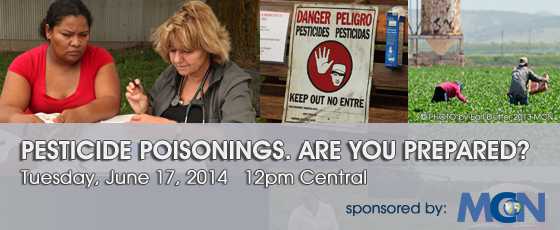
DATE RECORDED: Wednesday, June 17, 2014
PRESENTED BY: Matthew Keifer, MD, MPH, Dean Emanuel Endowed Chair/Director National Farm Medicine Center
 |
|
 |
 |
 MCN’s Environmental and Occupational Health Programs
Learn more about MCN’s training and technical assistance programs to help clinicians and health centers improve the recognition and management of pesticide exposures and other environmental/occupational health conditions.
Mistakes can be dangerous. Accurate identification of pesticides responsible for a patient's illness is important to avoid iatrogenic errors with respect to acute treatment. Join us for an important webinar that will focus on key decision points in the diagnosis of pesticide exposures and emphasize the usefulness of the newly revised resource for clinicians - The Recognition and Management of Pesticide Poisonings, 6th ed. Through interactive case studies, this webinar will illustrate effective recognition and treatment of patients over exposed to pesticides.
The webinar, sponsored by Migrant Clinicians Network, the National Farm Medicine Center and AgriSafe Network features Dr. Keifer, a board certified occupational medicine specialist and internationally renowned researcher regarding pesticides and agricultural health and safety. For over 30 years, Dr. Keifer has focused his clinical practice and research largely on farmworkers.
SPONSORED BY: AgriSafe Network, Migrant Clinicians Network, and the National Farm Medicine Center
OBJECTIVES: Participants will be able to:
We encourage all participants to order The Recognition and Management of Pesticide Poisonings, 6th ed. prior to attending this webinar. Order here. PDF versions are also available at http://www2.epa.gov/pesticide-worker-safety/recognition-and-management-pesticide-poisonings
If you have experienced any trouble ordering your copy please contact: kbrennan@migrantclinician.org
CLINICAL TOOLS & RESOURCES |
|
PATIENT EDUCATION MATERIALS |
|
ARCHIVED WEBINARS & TRAINING RESOURCES |
|
LOCAL PESTICIDE RESOURCES |
|
The following will provide information regarding the pesticides used in your areas:
|
This colorful bilingual comic addresses workers' compensation and immigrant dairy farm workers’ rights and responsibilities. It tells the story of a Mexican dairy farm worker who is injured on the job and the steps he and his employer take to make sure he receives his benefits, and the farm improves its safety.
Señales y síntomas de envenenamiento por pesticidas
Developed by the California Poison Control System in collaboration with the Western Center for Agricultural Health and Safety at the University of California, Davis and the California Department of Pesticide Regulation
Haz-Map® is an occupational health database designed for health and safety professionals and for consumers seeking information about the adverse effects of workplace exposures to chemical and biological agents. The main links in Haz-Map are between chemicals and occupational diseases. These links have been established using current scientific evidence.
¡Cuídate! is an educational resource on the prevention of musculoskeletal injuries at work. This comic is in Spanish, English and Haitian Creole.
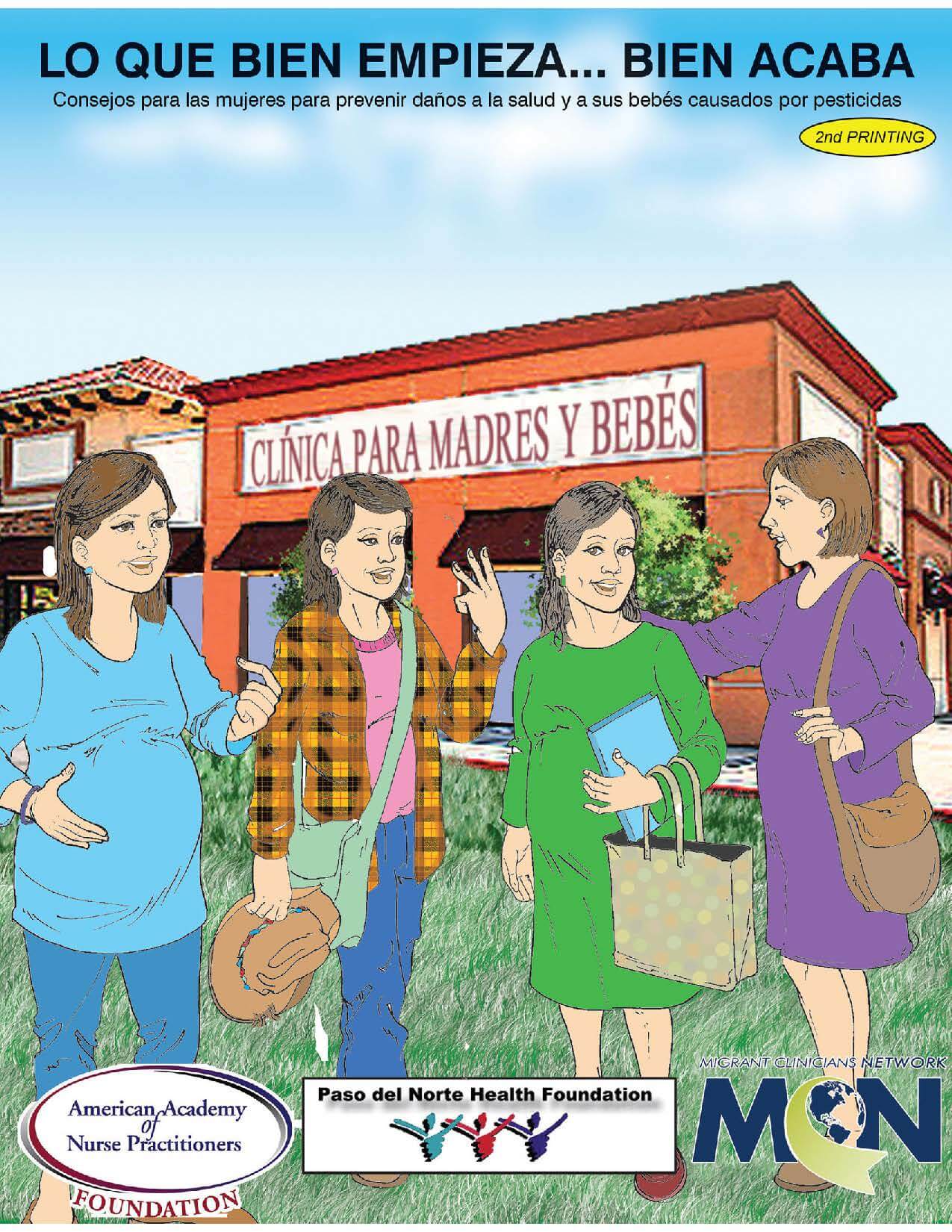
MCN Spanish educational comic book that addresses pesticide exposure in women of reproductive age. LO QUE BIEN EMPIEZA...BIEN ACABA: Consejos para las mujeres para prevenir daños a la salud y a sus bebés causados por pesticidas.
Three printable brochures on Asthma, Lead and Pesticides produced by Farmworker Justice.
The importance of clinical diagnostic tools and biomonitoring of exposures to pesticides as well the role of clinicians in pesticide reporting and the challenges clinicians face in accurately diagnosing patients exposed to pesticides are described in a presentation by Matthew Keifer, MD, MPH and Amy K. Liebman, MPA. Click on the link for an APHA policy resolution underscoring the need for clinical diagnostic tools and biomomitoring of exposures to pesticides. This policy supports the information outlined by in the presentation.
This resource helps you address stigmatization by providing best practices for inhibiting and the actions to take when you encounter stigmatization when new infectious diseases and illness emerge.
Early in an outbreak, such as the 2009 H1N1 outbreak, groups of people, places, and animals can be singled out and will be at risk of being stigmatized by association with the threat this virus poses. Groups are stigmatized by an infectious disease when the risk of infection to others is not present or remote but the association of the risk is magnified by others for that population group, or place or animal.
The Toolkit is a combination of easy-to-use reference guides for health providers and user friendly health education materials on preventing exposures to toxic chemicals and other substances that affect infant and child health.
Educational comic book about the sources of indoor pollution and ways to minimize exposure. Offers safe alternatives to clean homes. English and Spanish.
Pesticide Program: Illness Monitoring and Prevention
1-800-858-7378 or npic@ace.orst.edu
Beyond Pesticides/National Coalition Against the Misuse of Pesticides provides pesticide fact sheets, action alerts and information on what to do in a pesticide emergency.
Northwest Coalition for Alternatives to Pesticides - promotes healthy solutions to pest problems and publishes the Journal on Pesticide Reform.
Pesticide Action Network of North America - promotes healthier, more effective pest management and houses the Pesticide Action Network Pesticide Database - a database of pesticide toxicity and regulatory information. The reference section provides general information about pesticides and their health effects.
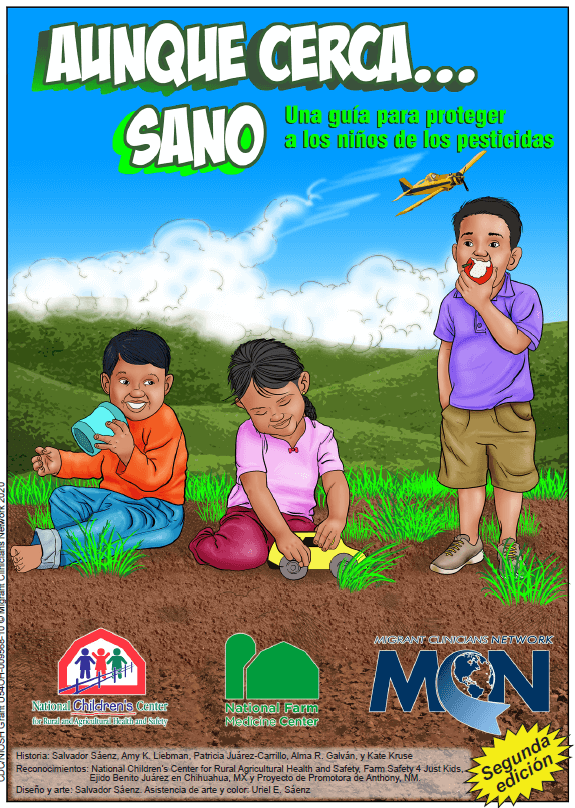
This pesticide comic book targets migrant and seasonal farmworker families to educate parents about children's risks to pesticide exposure and ways to minimize these risks. The latest edition is currently only available Spanish though we are working on releasing an updated version of the comic in English.
We are currently "sold out" of our printed pesticide comic book. We are looking for additional funding. In the meantime, please download an e-copy.
A Spanish language trifold with pesticide safety information.
A Spanish language comic books that explains the dangers of pesticides and offers practical, less toxic approaches to pest control. Produced by the Center for Environmental Resource Management at UTEP.
The manual is a guide that can be used by community workers, educators, and health promoters for their educational activities in the community. It provides information on the risks of exposure to environmental contaminants and pesticides and ways to reduce those risks. It also includes useful information and tips for working in the community.
As for the comic book, community workers, educators and health promoters can use it as an educational tool to inform their community about the risks of environmental contaminants and pesticides.