With support from Nilsa Padilla, MPA, Senior Manager of Health Network and Research; Yamile Arango Coquand, Communications Coordinator; and Claire Hutkins Seda, Director of Communications.
[Editor's Note: This article first appeared on MCN's two Substacks, On the Move with MCN, our English Substack, and Cosechando Salud con MCN, in Spanish. Subscribe to hear migrant clinicians' perspectives on emerging health concerns: https://migrantcliniciansnetwork.substack.com/ for English and https://cosechandosalud.substack.com/ for Spanish.]
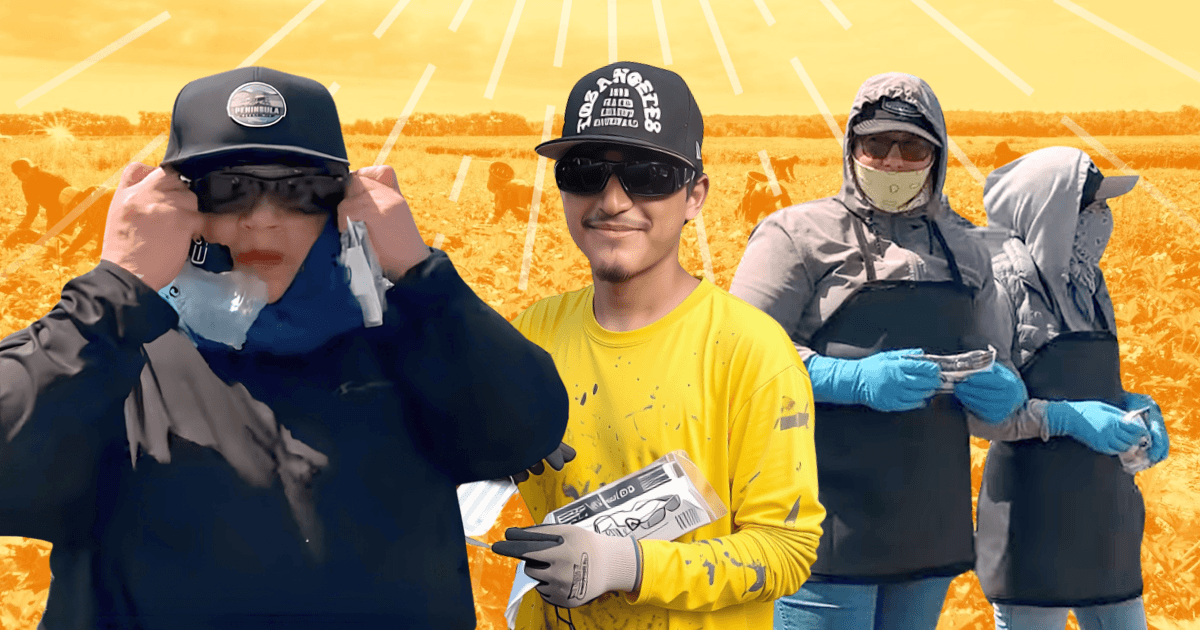
Enedelia Basurto, one of MCN's Community Health Navigators for Health Network, used to be a farmworker, so she understands firsthand the long hours spent under the sun and the health risks associated with outdoor work — including risks to the eye. When Migrant Clinicians Network received a donation of 1500 UV-protective sunglasses for outdoor workers from ESP Eyewear, Basurto called her sister — still a crew leader for a vineyard in California.
On the day of the distribution, workers were spread out across long rows of grapevines under the intense sun in the middle of grape harvest season. Harvest stations with umbrellas for shade, grape boxes, and crews in hats and long sleeves filled the fields.
The team from Quality Farm Labor Services, the farm contractor that headed up the distribution, handed out the new UV-protective sunglasses along with Migrant Clinicians Network's new one-page eye health education flyer, designed in English and Spanish to help workers protect their vision and better understand the long-term effects of sun exposure.1
"Workers were very interested in the sunglasses because they provide immediate protection from glare and sun exposure during long hours outdoors," noted Nilsa Padilla Elías, MPA, Senior Manager of Health Network and Research for Migrant Clinicians Network. "Many workers tried them on right away and appreciated receiving practical equipment they could use on the job that same day."
The Reality of Eye Trouble
But are sunglasses so critical? For Yamile Arango Coquand, communications coordinator at Migrant Clinicians Network, the answer is clear. Arango suffers from a common eye condition called pterygium. About a year ago, she began noticing a small growth near her cornea, accompanied by intermittent pain, significant dryness, and the sensation that something was stuck in her eye, almost like having an eyelash caught in it. Over time, the pain became more persistent and started interfering with ordinary parts of her day, including driving, looking at screens at work, or enjoying a movie, where she struggles with the pain.
The condition has also meant making time for repeated medical appointments, follow-ups, and new treatments. What might sound like a relatively small eye problem can quickly become disruptive, taking time away from work, family routines, and the moments that are supposed to feel restful.
At one of her many appointments as she treated her condition, Arango Coquand's provider explained that pterygium is associated with cumulative UV exposure and that sun, wind, dust, and dryness can contribute to irritation and inflammation. That realization has changed the way Arango Coquand thinks about eye protection. Wearing UV-protective sunglasses is no longer just about comfort or style; it has become part of protecting her health.
"I never thought something in my eye could affect so many little parts of my day," Arango said. "It affects how long I can work at the computer, whether I feel comfortable driving, and even whether I can sit down and watch a movie with my family without pain."
Outdoor Workers, Including Farmworkers, Are Most at Risk
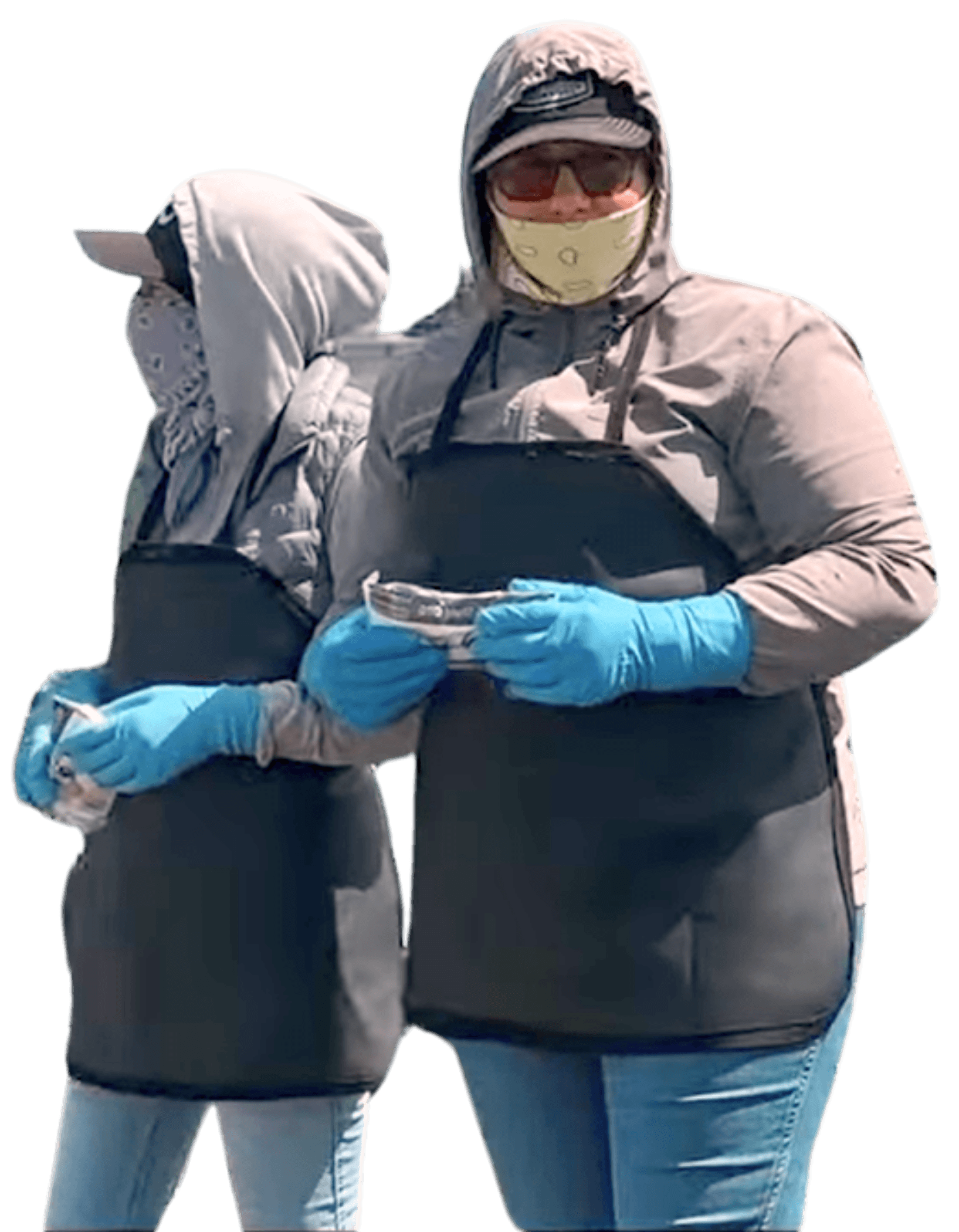
Outdoor workers may experience double the UV exposure of indoor workers, increasing their probability of cataracts at a younger age and greatly raising the risk for painful eye growths like pterygium.2 Because farmworkers and construction workers usually work very long days, they are often outside during the most dangerous hours of UV exposure, from 10 am to 4 pm. Construction workers and certain other outdoor workers face an additional risk of UV exposure from the sun reflecting off surfaces. Concrete, lawns, and surface water all reflect at least 10% of UV radiation back up.3 Other surfaces, such as new snow, can reflect up to 80% of solar radiation.
Additionally, these workers face numerous and overlapping barriers to accessing health care. Migration, lack of insurance, transportation challenges, inflexible and demanding work schedules, language barriers, and even fear or anxiety over interacting with institutions can make getting the doctor nearly impossible. When getting care is so difficult, preventative measures like sunglasses become critical pieces of protective equipment.
How the Twin Crises of Climate Change and Environmental Degradation Are Making It Worse
Outdoor workers' exposure to UV radiation is not just problematic: it's increasing. Climate change, environmental damage, and even ozone layer damage in certain regions and seasons causes higher potential UV exposure.4 Global warming makes summers and heat waves longer and more intense, causing higher UV radiation exposure potential for weeks or months more by driving more seasonable weather days that allow for outside activity. Even climate-driven changes in cloud patterns have led to longer periods of unblocked radiation from the sun. Traditional agricultural systems often included forested or wooded areas, where workers could enjoy shade for part of the day; modern agriculture relies on industrial-scale planting, weeding, and harvesting which requires tree-free farms. Indeed, industrial agriculture is a leading cause of deforestation — and when those trees have been removed, the workers on those farms are exposed to greater UV than if the forest remained.
How the Right Sunglasses Help
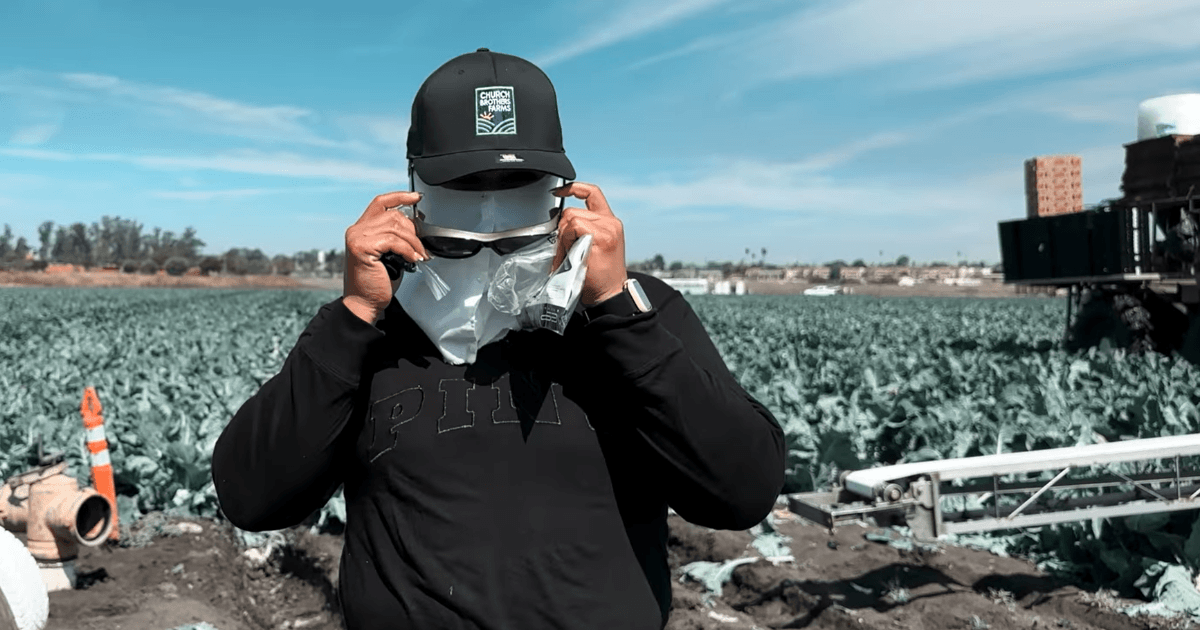
Anything that blocks or reduces UV light from the eyes will help reduce these risks. Sunglasses and hats are the simplest and safest way to protect the eyes.5 The UV coating on lenses absorbs and reflects harmful light. An anti-reflective coating on the inside of the lenses prevents light from bouncing back into the eyes. Polarized lenses help reduce glare from flat surfaces like water, snow, sand, and plastic covers on farming rows. Sunglasses should have lenses that provide 99 to 100 percent protection from UV-A and UV-B. These are usually marked as having a UV400 rating.
Sunglasses and hats are critical pieces of personal protective equipment for people who work outside. Many workers utilize both, but some outdoor workers do not wear UV-protective sunglasses consistently during their work shifts. MCN has also witnessed farmworkers forgo sunglasses when working. Although the reasons may be many, difficulties accessing high-quality, comfortable, work-appropriate, UV-protective sunglasses may be part of the barrier along with cost and lack of education about the risk of UV radiation.
What Migrant Clinicians Network is Doing
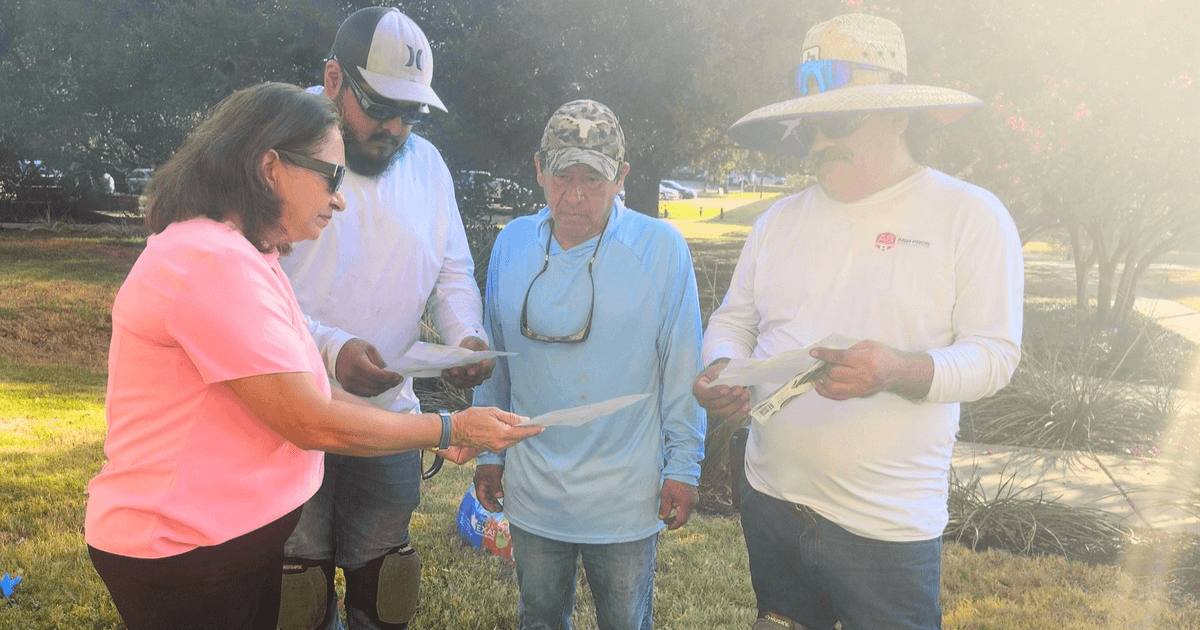
Migrant Clinicians Network, thanks to the generous donation from ESP Eyewear, is currently distributing 1,500 UV-blocking high-quality sunglasses and educational flyer to farmworkers, construction workers, and other outdoor workers most at risk all across the US and Puerto Rico. MCN is working closely with a few of our partners, including Grupo de Organizaciones de Trabajadores Agrícolas (GOTA), Ventanilla de Salud, and Health Network, to maximize our distribution, but our entire clinical network has access to download and print the new educational flyer in English and Spanish to assist their own communities in avoiding UV-related eye conditions: https://www.migrantclinician.org/resource/sunglasses-protect-your-vision-handout.html. We hope to develop a robust eye health program to address this overlooked health issue among outdoor workers and invite you to join us in protecting this critical workforce.
How to get involved:
 Donate to MCN! https://www.migrantclinician.org/donate
 Donate sunglasses, hats, or other protective equipment for MCN to distribute.
 Share your ideas for addressing this and other health issues among outdoor workers: https://www.migrantclinician.org/about/staff
Brief Overview of Eye Anatomy and UV-Associated Eye Conditions
The Basics: Ultraviolet Light and the Eye
UV light is a form of electromagnetic radiation from the sun that is invisible because of its short wavelength. It enters eye tissues more easily than visible light. Within UV light, there are three types: UV-A, UV-B, and UV-C. UV-C is mostly blocked by the Earth's ozone layer. UV-A and UV-B penetrate the eye to different depths. UV-B radiation is completely absorbed by the front structures of the eye, whereas UV-A can reach through these to the very back of the eye. The radiation from UV-B and to some degree UV-A contributes to a wide range of acute and chronic eye conditions, from photokeratitis (sunburn of the cornea) to cataracts, to pterygium, and other conditions.6 Because UV exposure accumulates over a lifetime of work outdoors, protecting eyes from UV radiation is an important part of occupational health.
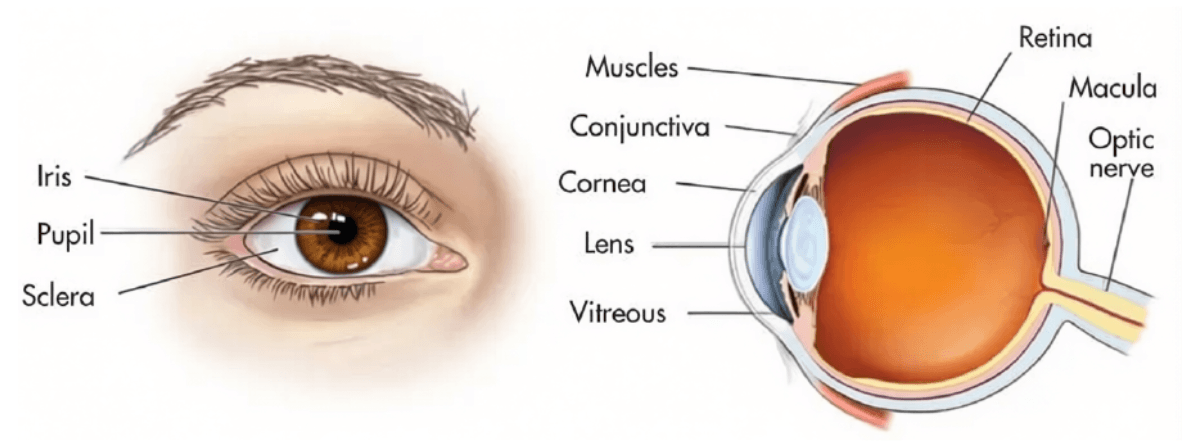
Eyes are complex sensory organs with multiple parts that all must work together perfectly to make it possible for people to see. The parts of the eye that are most impacted by eye problems caused by UV light are the following.
Sclera: a tough, white, outer layer that creates the shape of the eye and protects it.
Conjunctiva: a clear, thin layer that covers the sclera and lines the inside of the eyelids.
Cornea: a clear, dome-shaped window at the front of the eye that bends incoming light and protects the lens and iris behind it.
Iris: the colorful, muscular ring that determines eye color and opens and closes to let light into the pupil.
Pupil: the dark hole in the middle of the iris that looks black.
Lens: a transparent structure behind the iris and pupil that works with both to determine how much light enters the eye and directs it to the innermost back section of the eyeball.
Retina, macula, and optic nerve: structures at the back of the eye that are responsible for sending signals to the brain to build an image of what is being seen.
Cataracts
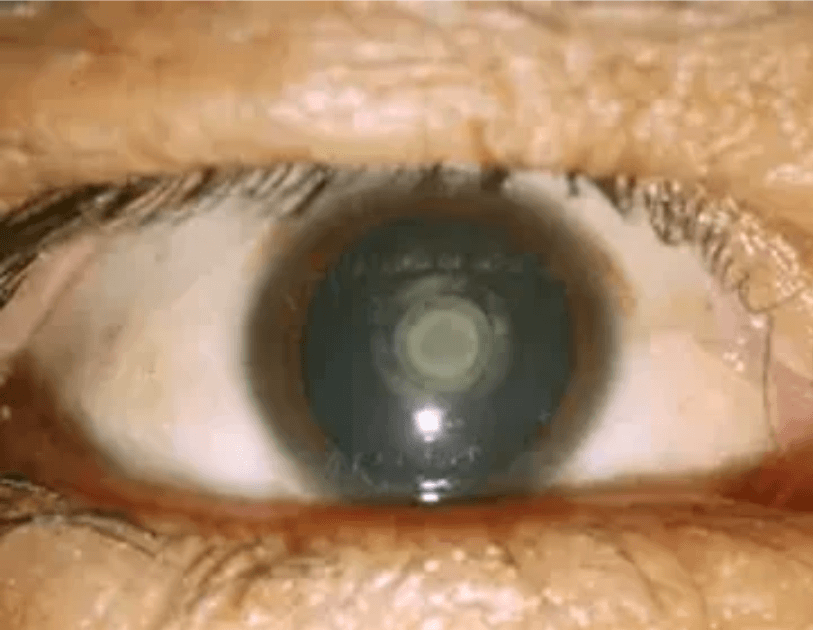
Cataracts are the most common cause of blindness and visual problems worldwide. As a person ages, the proteins in their eye's lenses change and develop pigmentation, or color, that clouds the lens. Continuous exposure to UV rays speeds up this process. Many studies demonstrate a strong association between increased UV radiation, particularly UV-B, and cataract formation. Treatment requires surgical removal and replacement of the lens.7
Pterygium
This fleshy growth of the conjunctiva is a very common eye problem caused by too much UV exposure. When small, they cause irritation, redness, and a sensation of something in the eye. However, they can grow to cover the cornea and reduce vision. Workers who spend more than six hours daily in direct sunlight without eye protection have a three times higher risk of developing pterygium growths. While surgery can remove them, they often grow back.
Pinguecula
This is another type of growth of the conjunctiva caused by UV exposure. It is usually smaller and less likely to affect vision than a pterygium. In severe cases, it can interfere with the way the tears cover the eye, causing dryness, redness, and inflammation.
Photokeratitis
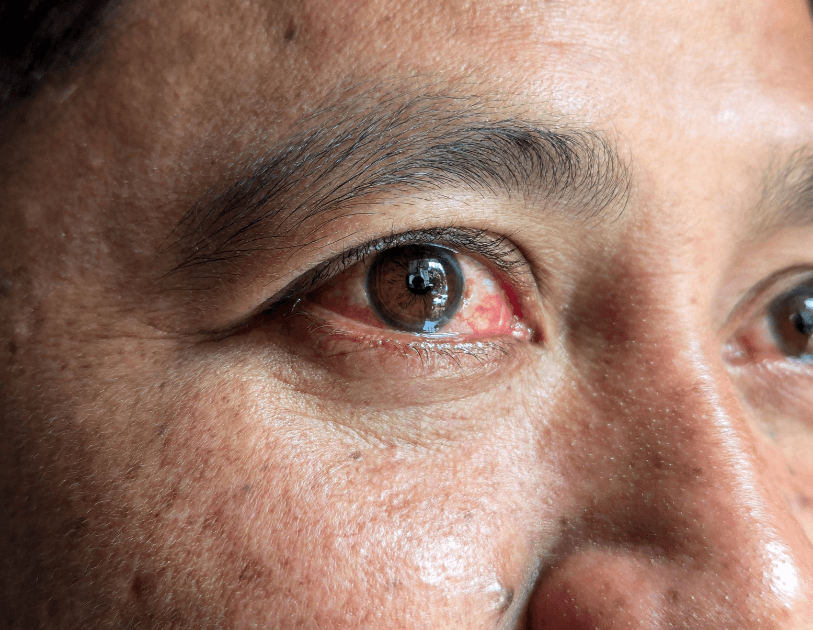
Like a "sunburn" of the eye, photokeratitis is a very painful eye condition that results from unprotected eye exposure to UV rays. Symptoms include pain, redness, a gritty feeling in the eye, and distorted vision. It usually gets better without treatment within a few days.
Macular Degeneration
The macula at the back of the eye can break down as a person ages and can blur vision. Studies have found that outdoor workers have three times the chances of developing age-related macular degeneration.8
Cancer of the Eye
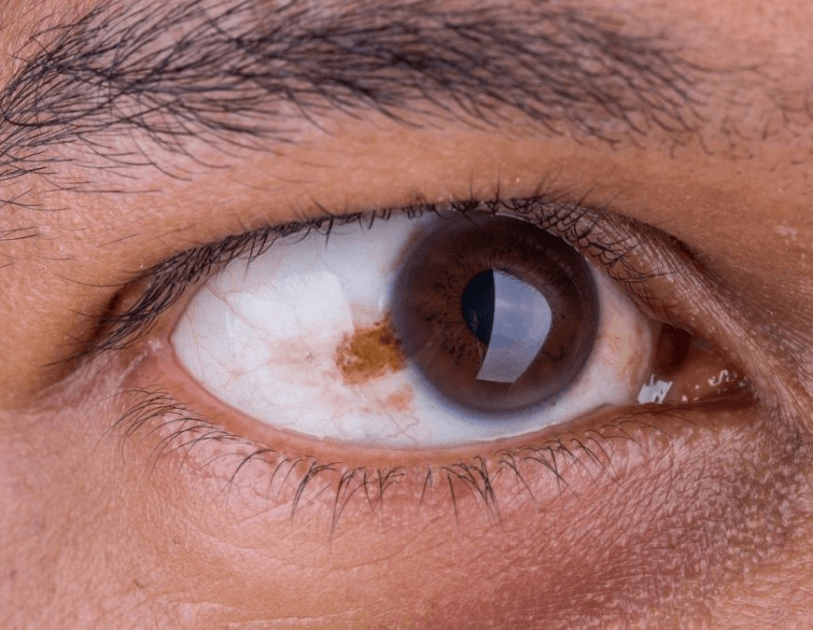
UV exposure may increase the risk of certain eye cancers such as melanoma of the eye, which can be deadly, and basal cell and squamous cell cancers of the eyelid.
Resources
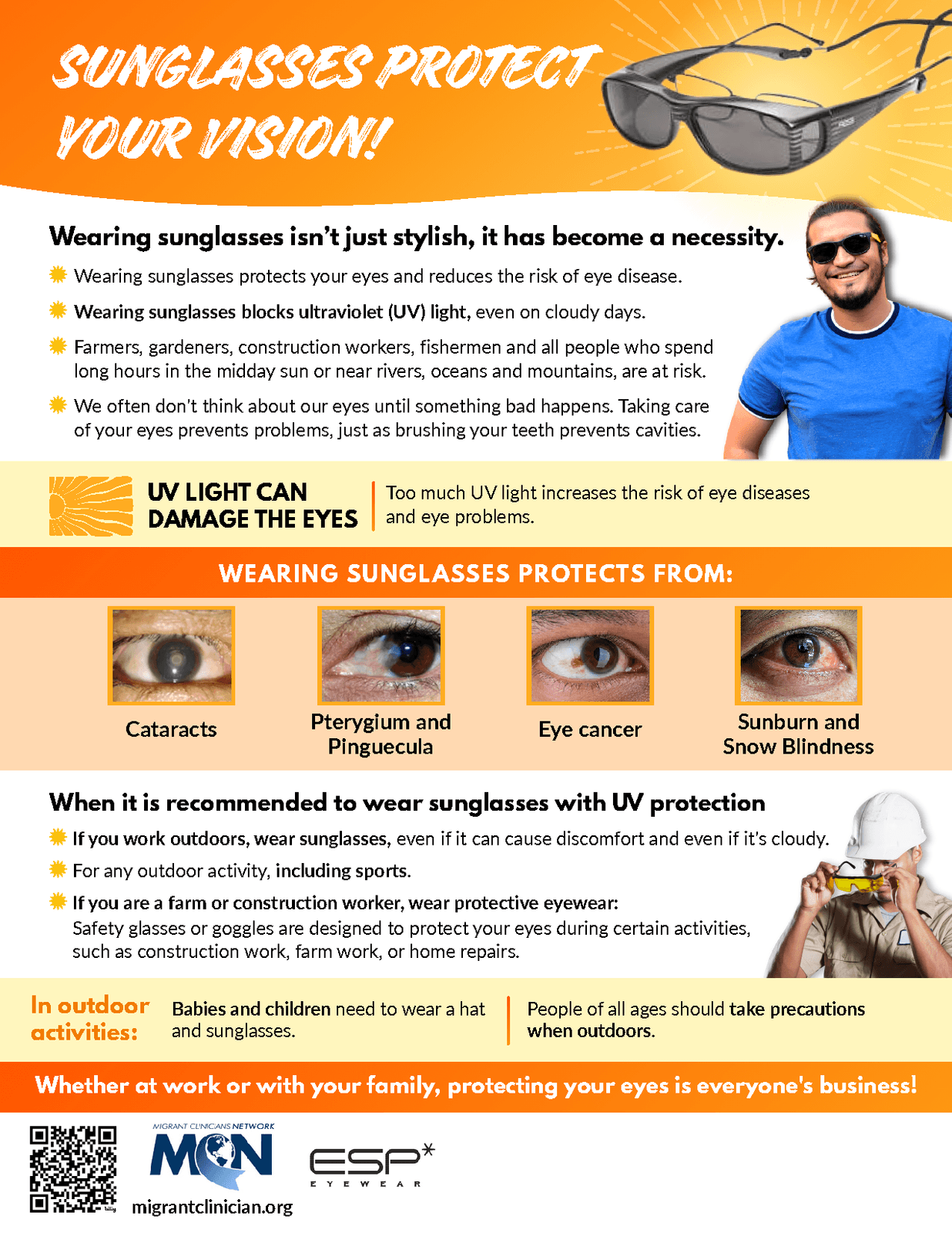
Here is MCN's new one-page full-color handout to download and share with outdoor workers: https://www.migrantclinician.org/resource/sunglasses-protect-your-vision-handout.html
Learn about MCN programs and partners who received the sunglasses:
- Grupo de Organizaciones de Trabajadores Agrícolas (GOTA): https://www.youtube.com/@GOTA_2026
- Ventanilla de Salud: https://www.migrantclinician.org/ventanilla-de-salud
- Health Network: https://www.migrantclinician.org/our-work/health-network.html
References
- "Sunglasses Protect Your Vision!" Migrant Clinicians Network. Accessed 5 November 2026. https://www.migrantclinician.org/resource/sunglasses-protect-your-vision-handout.html
- Echevarría-Lucas L, Senciales-González JM, Rodrigo-Comino J. Analysing the Evidence of the Effects of Climate Change, Air Pollutants, and Occupational Factors in the Appearance of Cataracts. Environments. 2024; 11(5):87. https://doi.org/10.3390/environments11050087
- Sunlight and ultraviolet radiation. In: Wild CP, Weiderpass E, Stewart BW, eds. World Cancer Report: Cancer Research for Cancer Prevention. International Agency for Research on Cancer; 2020. Accessed 5 November 2026. https://www.ncbi.nlm.nih.gov/books/NBK606489/
- Federal Office for Radiation Protection (BfS). Accessed 5 November 2026. https://www.bfs.de/EN/topics/opt/uv/climate-change/climate-uv-exposure/climate-uv-exposure_node.html
- Protecting your eyes from the sun's UV light. National Eye Institute. July 5, 2022. Accessed 5 November 2026. https://www.nei.nih.gov/research-and-training/research-news/protecting-your-eyes-suns-uv-light
- Radiation: the known health effects of ultraviolet radiation. World Health Organization. Accessed 5 November 2026. https://www.who.int/news-room/questions-and-answers/item/radiation-the-known-health-effects-of-ultraviolet-radiation
- UpToDate. Accessed 5 November 2026. https://www.uptodate.com/contents/cataract-in-adults
- Modenese A, Gobba F. Macular degeneration and occupational risk factors: a systematic review. Int Arch Occup Environ Health. 2018;92(1):1-11. doi:10.1007/s00420-018-1355-y
