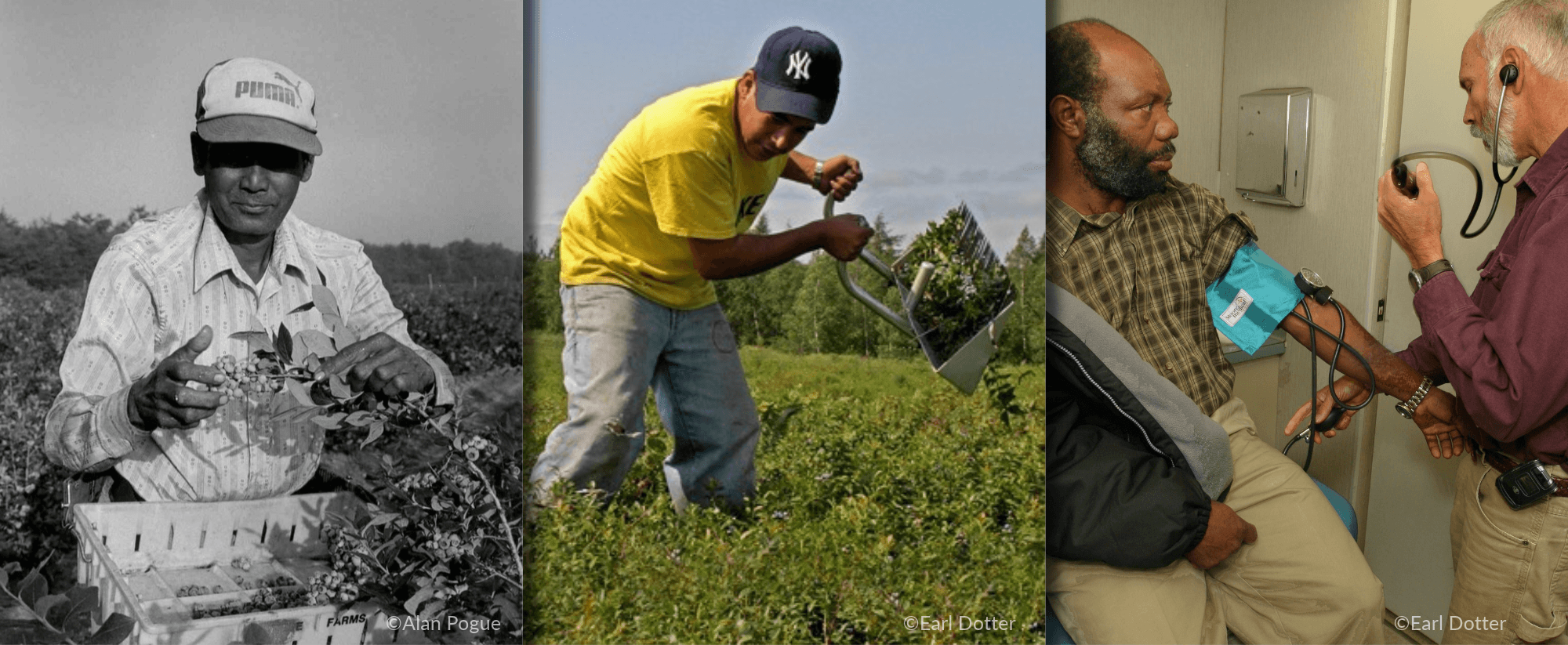
During a visit to a clinic, a farmworker reports to their clinician, "The farm gave a training." The clinician may wonder: did it cover what protects them? Were water and soap available in the field? Did they feel free to stop and use them? A new review of three decades of research suggests clinicians should ask, because no one has systematically checked whether federal protections work as intended.1
Two rules, one gap
Two federal standards are meant to protect agricultural workers. The EPA's Worker Protection Standard (WPS), in place since 1992 and revised in 2015, covers pesticide safety training, notification of applications, protective equipment, and emergency aid.1 The Field Sanitation Standard (FSS), in place since 1987, requires employers with 11 or more hired workers to provide drinking water, toilets, and handwashing facilities.1
Northeastern University and San José State University researchers searched five databases and identified 40 empirical studies published from 1990 to 2024 that evaluated at least one element of either standard.1 Their main conclusion is that the evidence is piecemeal. In 2018, the EPA Office of Inspector General recommended a systematic evaluation of the WPS.2 The review found that this has not happened.1
Key findings
- Training dominates the evidence. Of the 40 studies, 26 focused on receipt of WPS worker training. Notification of applications, restricted-entry intervals, and buffer zones were each studied once.1
- The FSS is barely studied. Only nine studies examined it, and only one looked at it alone. Seven of the eight FSS studies were cross-sectional, so they cannot show impact.1
- The evidence is geographically narrow. Fifteen studies came from North Carolina and 24 from the Atlantic Southeast. California and Texas, which have the largest farmworker populations, contributed very few.1
- Most studies are old. Twenty-seven of 40 were published before the 2015 revision, so provisions such as the application exclusion zone and annual training are largely unevaluated.1
- Training evidence is weak. The authors cite the finding that the evidence base on training effectiveness is limited.1,3
- Many workers are missing from the evidence. About one quarter of study samples included H-2A guestworkers. Only 15% of studies distinguished seasonal, migrant, and year-round workers. Two studies focused on adolescents.1
Sidebar: Plain-language glossary for community health workers
WPS (Worker Protection Standard): The EPA rule on pesticide safety for farmworkers and pesticide handlers. It includes training, warnings about treated fields, protective equipment, and washing supplies.
FSS (Field Sanitation Standard): The OSHA rule requiring drinking water, toilets, and handwashing stations in the field for employers with 11 or more hand laborers.
Dermal exposure: Pesticide absorbed through the skin, the main route of exposure for farmworkers.4
H-2A: A temporary agricultural guestworker visa. Workers are tied to one employer.
Take-home exposure: Pesticide residue carried home on clothing, shoes, or skin, which can reach family members.
Why this matters clinically
Dermal exposure is the main route, so washing matters. Pesticide absorbed through the skin contributes heavily to dose.4 Farmworkers are exposed to multiple pesticides throughout a season.5 One study in the review found that handwashing and protective behaviors were linked to lower exposure, but only when workplaces supplied essentials such as warm water.1 Counseling a patient to "wash up" is hollow if the field has no water or soap.
"Did you get trained?" is a start, not an answer. Most research asks whether workers received training. It rarely asks whether training led to changed behavior to potentially reduce exposure or illness.1 A patient who says "yes" may have received a brief session with unclear content (usually a video). Ask what they remember, in what language they received it, and whether they could act on it.
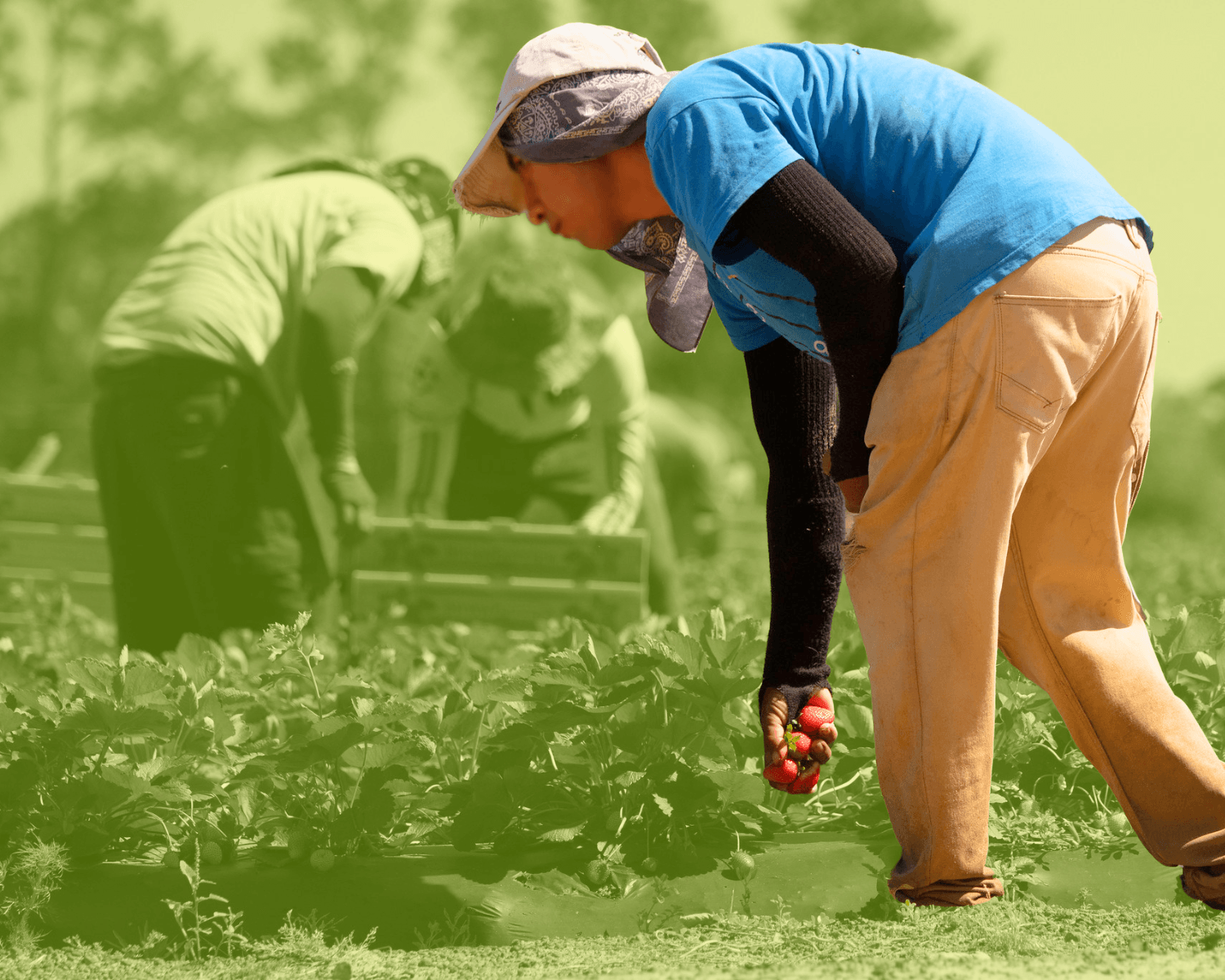
Behavior is shaped by pay and power. The review describes how piece-rate pay creates conflict between earning and protecting oneself. Workers may skip protective equipment when pressed to work fast, and discomfort from gear can mask heat distress and dehydration.1,6 Authors also note that the rules largely place responsibility on workers to adopt protective behaviors, and on employers to provide resources, without testing whether that is enough.1,7 Counseling that ignores these constraints may not help and can feel like blame.
Some patients are less visible in the evidence. Women and pregnant workers were framed as needing enhanced protections in only 7 of 40 studies.1 Guestworkers, adolescents, and workers in California and Texas are thinly represented. Do not assume that research conducted elsewhere describes your patient's workplace.
Sidebar: Questions to consider adding to your occupational history

Migrant Clinicians Network has a short Environmental and Occupational Health Screening Questions for Primary Care handout. The handout features just three questions in English and Spanish:
- Describe what you do for work. Describa lo que hace en su trabajo.
- Are there any physical activities that you do – at work or away from work – that you feel are harmful to you? ¿Hay alguna actividad física - en el trabajo o en otro lugar - que crea usted es dañina para usted?
- Are you exposed to chemicals, fumes, dusts, noise, and/or high heat at your work or away from work? Do you think these are harming you? ¿Está usted expuesto a químicos, gases, polvo, ruido y/o altas temperaturas en su trabajo o en otro lugar? ¿Piensa usted que estas cosas lo pueden dañar?
Additional recommended questions:
- What do you do on the farm, and what crops do you work with? Are you paid by the hour or by the piece?
- When did you last receive pesticide training? Was it in a language you understand?
- Is there clean drinking water, a toilet, and soap and water where you work? Can you use them when you need to?
- Do you know when fields have been sprayed, and how long to stay out?
- Where do you wash and store work clothes? Who else at home might be exposed?
- Do you worry about what happens if you raise a concern?
Practical steps for clinics

Take an exposure history. Add work tasks, pay structure, and access to water and sanitation to routine visits.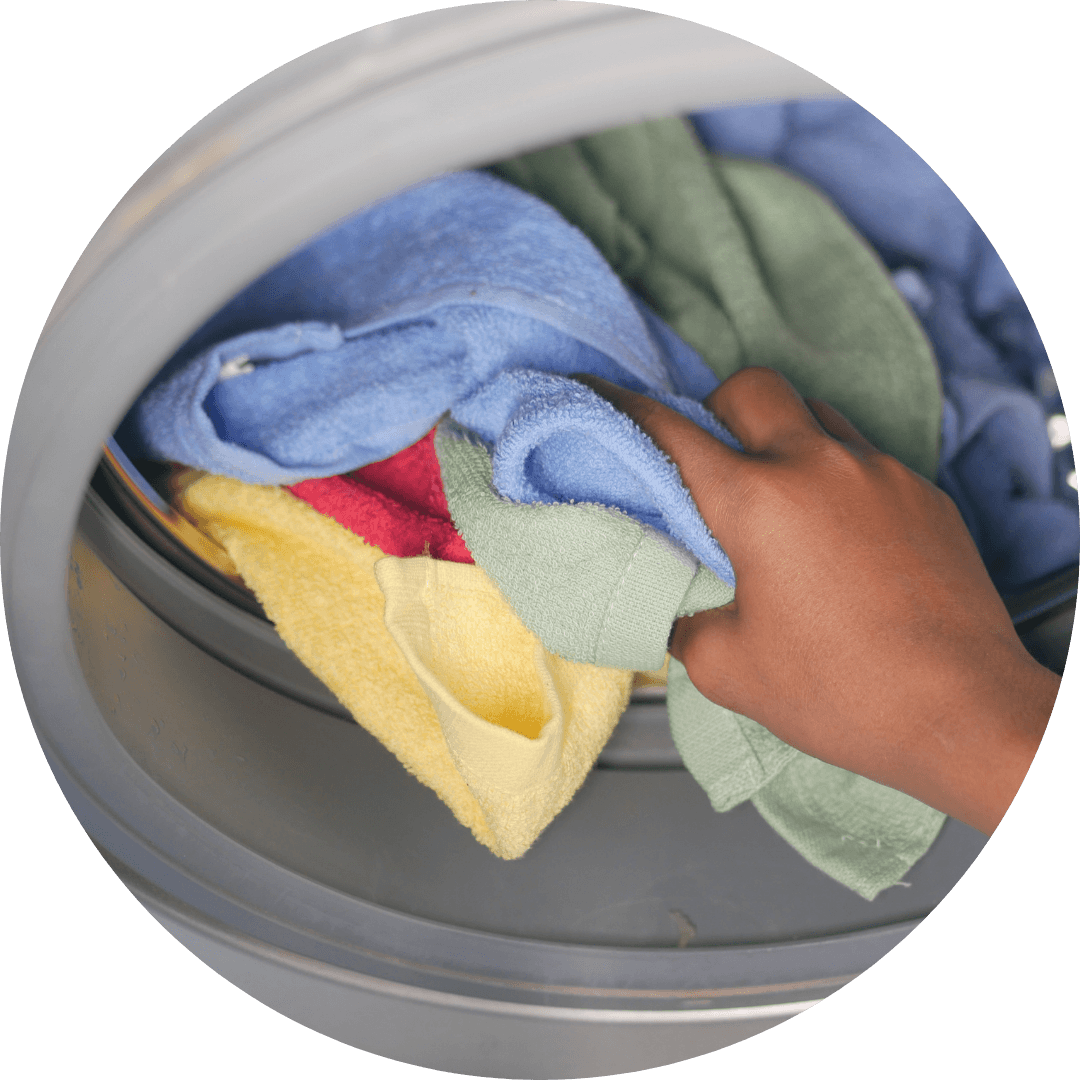
Teach take-home precautions realistically. Discuss changing clothes, washing work clothes separately, and showering. Ask what is feasible at home or in employer housing.
Recognize heat illness and pesticide illness as overlapping. Both can present with nonspecific symptoms. Consider both when a worker presents after a shift.
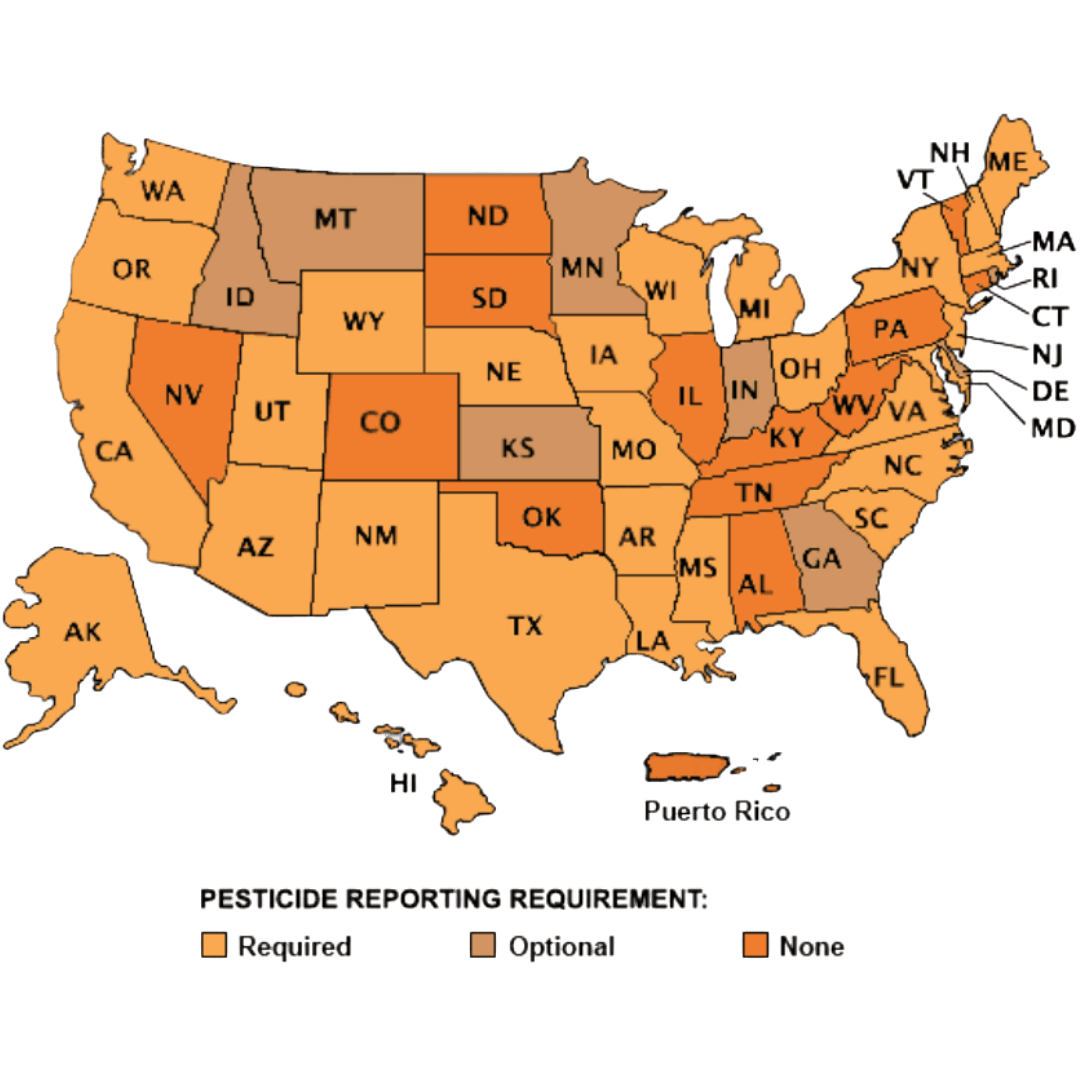
Know your reporting pathway. Pesticide illness reporting requirements vary by state. Confirm yours with your state health department. MCN's Pesticide Reporting Map provides contact information by state.
Give community health workers a role. Promotoras and community health workers can reinforce training content in Spanish and other languages and help patients name barriers they face at work.
Document. Clinic records may be among the few sources of data on workplace conditions, in a literature the authors describe as geographically and temporally sporadic.1
The bottom line
The review does not show that these standards fail. It shows that we cannot tell whether they succeed.1 Until systematic evaluation occurs, clinicians and community health workers see the effects of workplace conditions firsthand. Ask, document, and report.
Resources
- Migrant Clinicians Network pesticide and WPS resources, including Juan Abre los Ojos comic book and other patient and worker education materials and Spanish-language videos, are available at https://www.migrantclinician.org/resources/235/pesticides/index.html
- MCN's Environmental and Occupational Health Screening Questions for Primary Care handout: https://www.migrantclinician.org/resource/environmental-and-occupational-health-screening-questions-primary-care.html
- MCN's Pesticide Reporting Map: https://www.migrantclinician.org/topics-environmental-and-worker-health/pesticides.html
- EPA, Agricultural Worker Protection Standard information and "How to Comply" materials.8
- Materials from the La Familia Sana Promotora Program of Wake Forest School of Medicine available at https://school.wakehealth.edu/departments/family-and-community-medicine/research/la-familia-sana-promotora-program
- National Pesticide Information Center, for clinician and patient questions.9
- Poison Control, 1-800-222-1222, for suspected pesticide poisoning.
- OSHA, Field Sanitation Standard requirements.10
- Association of Occupational and Environmental Clinics (AOEC): https://aoec.org/
References
- Alvarez Noli K, Labossiere S, Berkey B, Grzywacz JG. Federal protections for farmworker health in the United States: a scoping review of three decades of research. Am J Ind Med. 2026;69(11):899-910. doi:10.1002/ajim.70121
- US Environmental Protection Agency Office of Inspector General. EPA Needs to Evaluate the Impact of the Revised Agricultural Worker Protection Standard on Pesticide Exposure Incidents. 2018.
- Grzywacz JG, Gonzales-Backen M, Liebman A, et al. Comparative effectiveness of training alternatives for the EPA's Worker Protection Standard regulation among immigrant Latino farmworkers. J Occup Environ Med. 2022;64(2):140-145.
- MacFarlane E, Carey R, Keegel T, El-Zaemay S, Fritschi L. Dermal exposure associated with occupational end use of pesticides and the role of protective measures. Saf Health Work. 2013;4(3):136-141.
- Arcury TA, Grzywacz JG, Talton JW, et al. Repeated pesticide exposure among North Carolina migrant and seasonal farmworkers. Am J Ind Med. 2010;53(8):802-813.
- Walton A, LePrevost C, Linnan L, Sanchez-Birkhead A, Mooney K. Benefits, facilitators, barriers, and strategies to improve pesticide protective behaviors: insights from farmworkers in North Carolina tobacco fields. Int J Environ Res Public Health. 2017;14(7):677.
- Barbour M, Guthman J. (En)gendering exposure: pregnant farmworkers and the inadequacy of pesticide notification. J Political Ecol. 2018;25(1):332-349.
- US Environmental Protection Agency. Agricultural Worker Protection Standard. Website: epa.gov (search "Worker Protection Standard").
- National Pesticide Information Center. Website: npic.orst.edu.
- Occupational Safety and Health Administration. Field Sanitation Standard, 29 CFR 1928.110. Website: osha.gov.
Disclosure
The author declares no conflicts of interest. References to the author's previous work are included solely because they are relevant to the subject matter and do not represent a financial, professional, or personal conflict of interest.
Pages 1-3 of this publication were developed by Migrant Clinicians Network (MCN) through a cooperative agreement (agreement #FW-84115801) between the U.S. EPA's Office of Pesticide Programs and MCN.
Disclaimer: While multiple experts reviewed this guide, the views expressed in the guide are those of the authors and do not represent the views and policies of state agencies or the EPA. The EPA does not endorse any products or commercial services mentioned in this document. The reviewers provided content expertise and feedback.
