Hurricanes and other extreme weather events can disrupt cancer prevention, screening, diagnosis, treatment, medications, and follow-up, especially when power, transportation, and communications are unreliable. These disasters often trigger displacement and movement, prompting people to move in different ways (including those who are forced to evacuate, those who are moving for other reasons but become impacted by storms, or those who move into a disaster zone to help with recovery).1 Health navigation and care coordination can help prevent people from “falling through the cracks,” especially when clinics are closed or patients are relocating. Having a resilient patient navigation program focuses on keeping up with the care of the patients, even if they must move.
What does patient navigation look like during disasters?
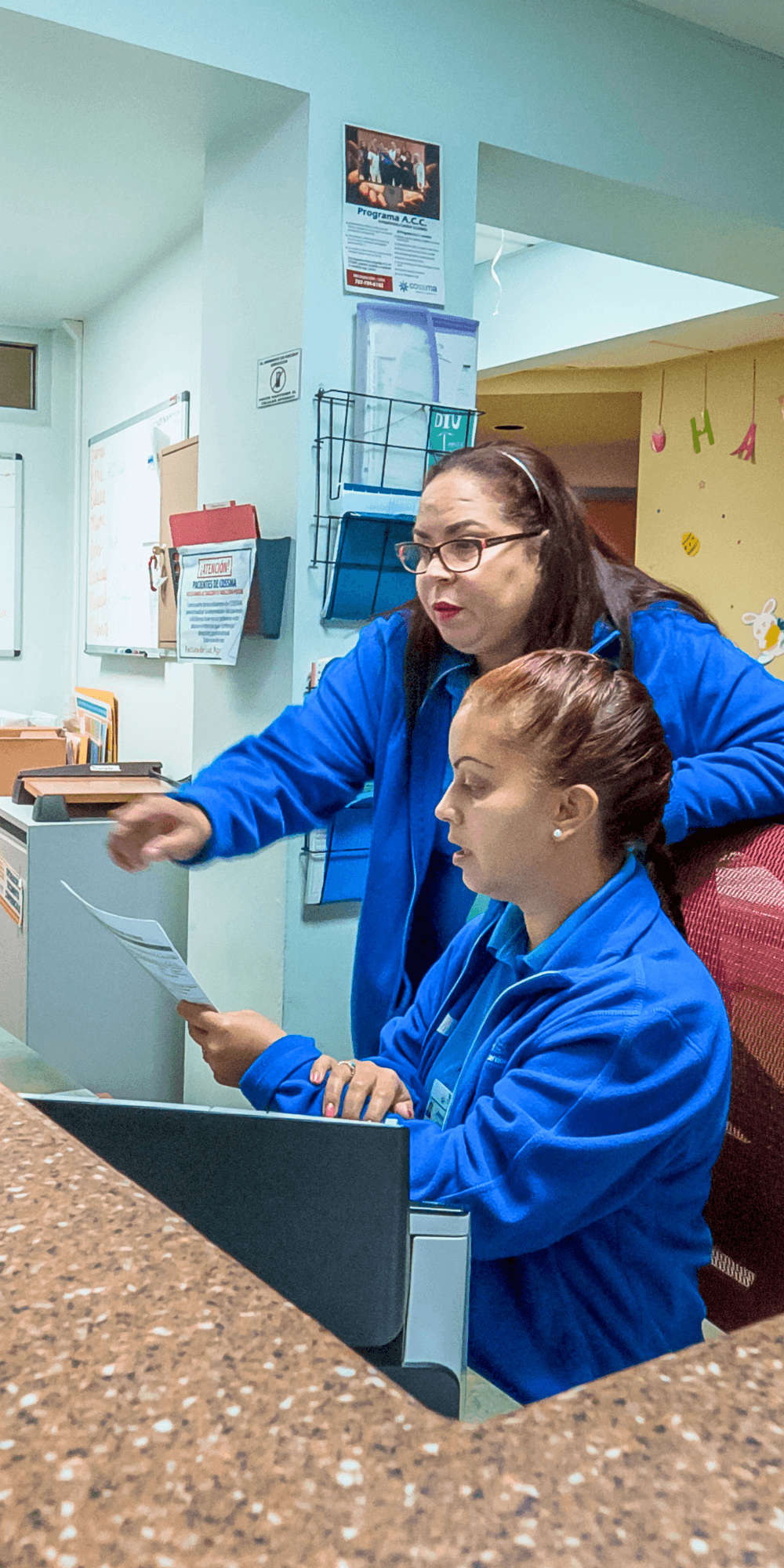
When a climate emergency impacts a community, it typically also affects health care delivery. The impact can range from operational challenges faced by the clinic, such as infrastructure damage; loss of essential services like electricity, water, and internet; staff shortages; and increased patient volume, to challenges experienced by patients themselves, including transportation needs; difficulty navigating sheltering, response, and recovery processes; loss of medications; and behavioral health instability. This is where patient navigators play an essential role, guiding patients to the right care, at the right time, in the right place, when regular systems have become fragmented.
Patients’ navigators are often effective during emergencies because their role is created to be culturally sensitive, language responsive, and are particularly connected to their patients’ needs. This means that often they have a clear understanding of the challenges the community might face and the appropriate overall responses, and most of the time they know the right questions to ask to be able to address those challenges. Because of their connection to the community and the knowledge they carry, these navigators are primed to be key factors when it comes to emergency preparedness. Through a patient navigation program, for weather disasters that can be forecasted, navigators can have plans, pre-enrollment, consent and medical records ready in case their patients need support. Because they often need to conduct a risk and social vulnerability assessment of their patients as part of their work, they are able to identify those who are more likely to need support when disaster strikes. This allows them to be quick and responsive when the care is indeed needed.
What should we expect when we implement community and clinic preparedness navigation programs?
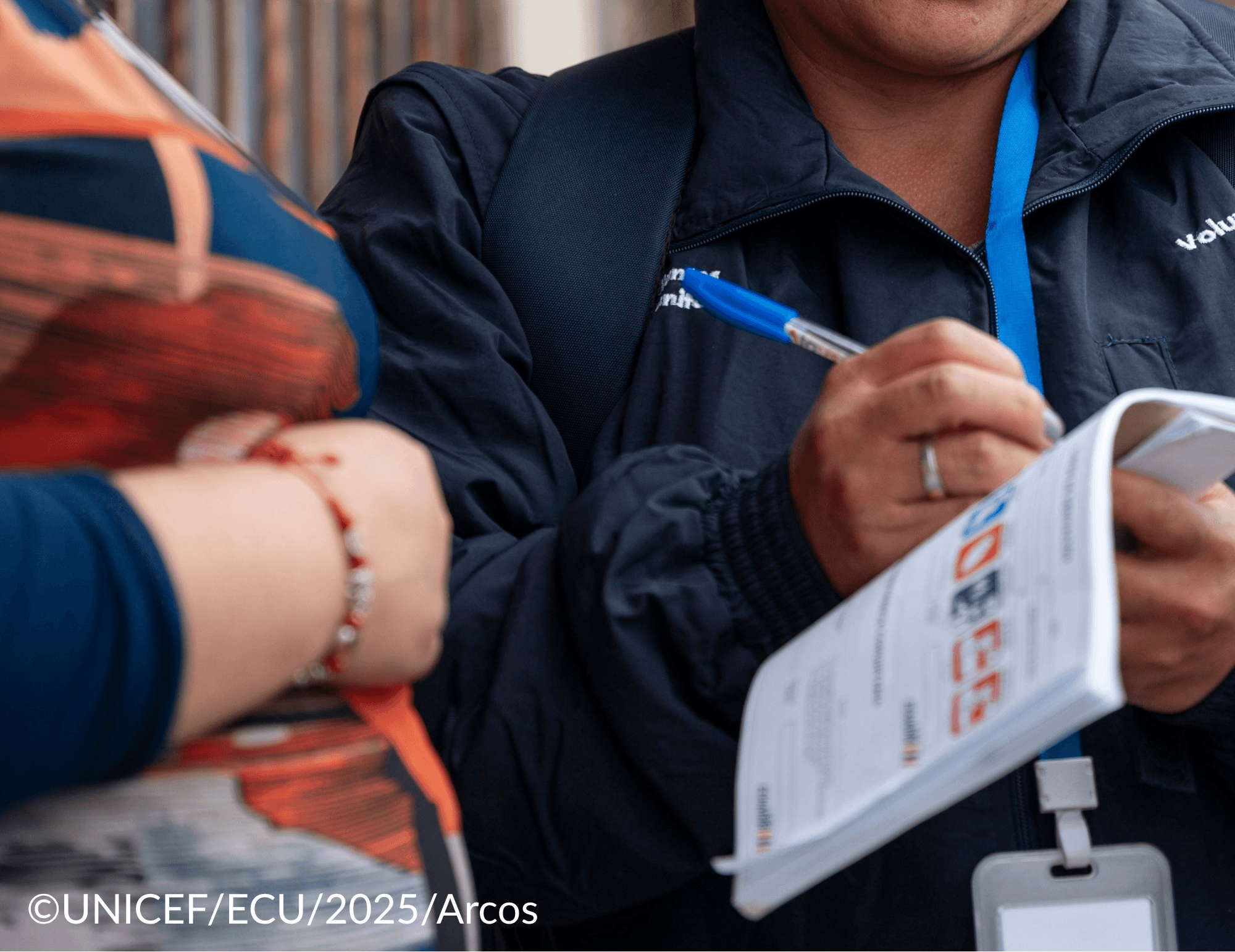
When a clinic implements navigation programs which get integrated into the overall emergency preparedness and response activities, the community benefits from comprehensive pre-disaster planning that centers on maintaining services and protecting patient health. This includes communication and diseases management strategies discussed by navigators with their enrolled patients, and pre-enrollment of patients who might be at risk of losing care or overall connection to services. These programs often allow the community itself to support the preparedness process by working with the clinic to share resources and information, which has the dual benefit of securing community buy-in and ensuring that plans accurately reflect the needs of the community. We can sustain these programs by implementing these pillars:
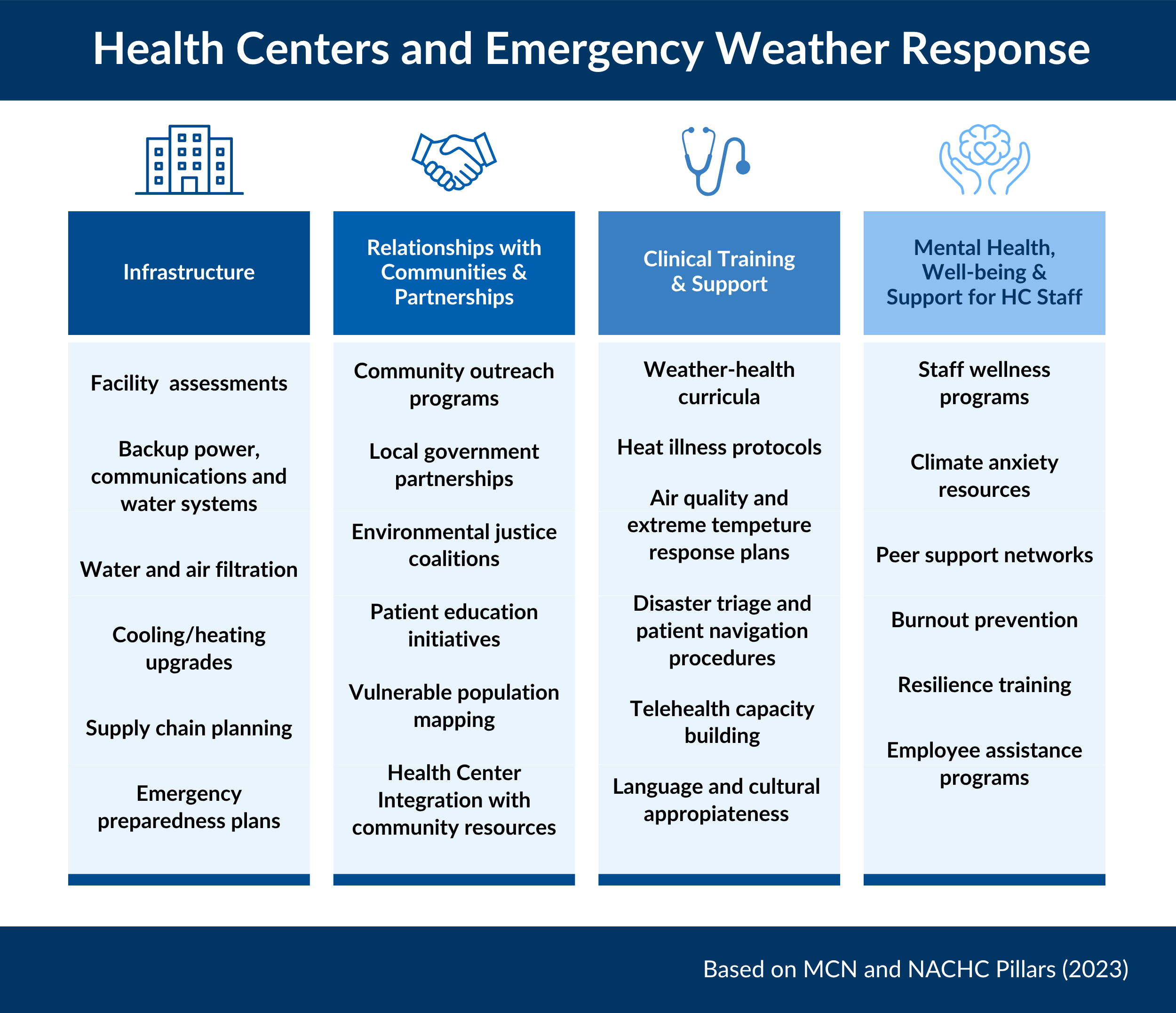
In addition to those pillars, it is important that we have systems in place that foster the protection of patient information, adequate staff training, and strong communications systems among teams (both clinical and non-clinical).
Lessons learned from Puerto Rico, nine years after hurricanes Irma and María
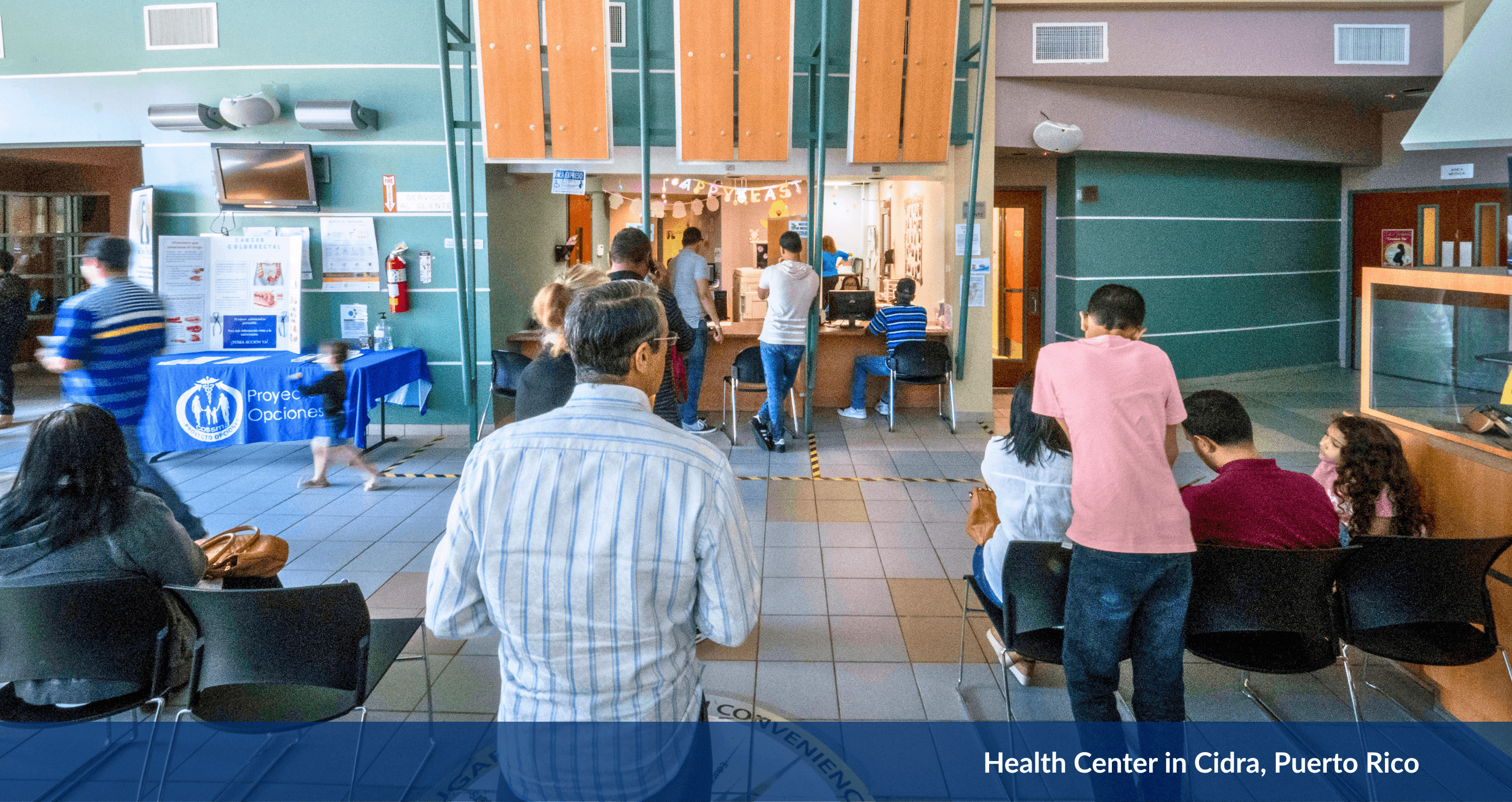
Nine years after hurricanes Irma and María, Puerto Rico is still learning and coping with the effects of these disasters. Studies have shown that these events deeply impacted cancer patients and populations at risk of cancer by limiting care services and also by disrupting cancer prevention and surveillance efforts.2,3 Screening for cancer dropped precipitously and patients were left needing to relocate because of damaged infrastructure. Almost 10 years later, the recovery process has focused heavily on rebuilding with resilient infrastructure like solar panels, generators, and other equipment to maintain operations. However, to build a resilient navigation program, more than infrastructure must be built.
A recent research project carried out by Migrant Clinicians Network and supported by the Prevent Cancer Foundation uncovered how patient navigation now operates in Puerto Rico, what lessons clinics have learned, what challenges they are still facing, and what areas still need to be improved.
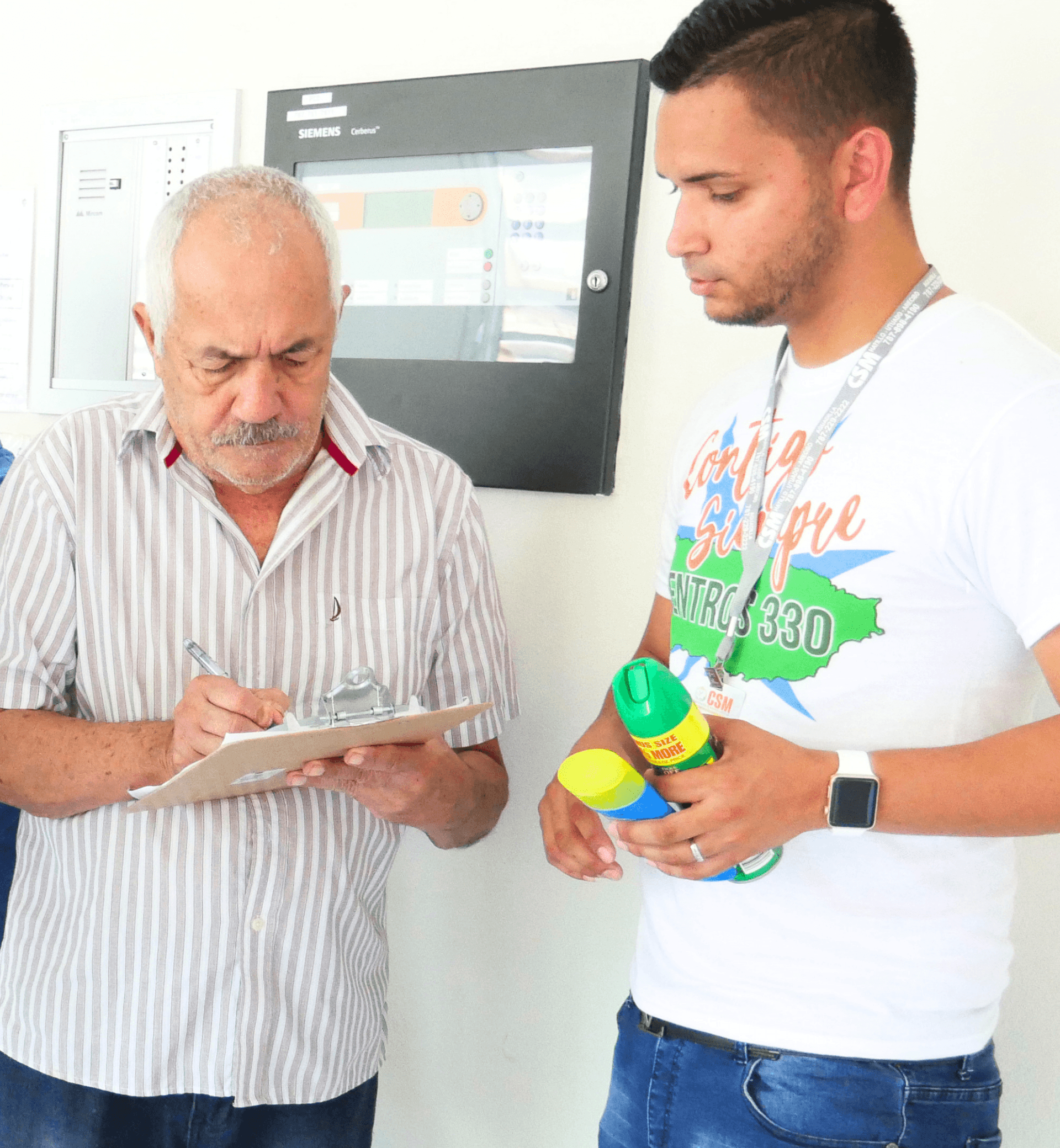
The results are uneven. For example, the findings indicate that, despite recent investments in infrastructure and equipment, some clinics have discovered that some of their new equipment needs repairs that they cannot afford. The findings also revealed a lack of comprehensive inclusion of patient navigators into emergency preparedness and response plans, limiting the important impact that patient navigators can have to support their communities. When asked about the needed resources to assist long-term implementation and improvements to patient navigation programs, clinicians in Puerto Rico responded uniformly, calling for:
1) better training for staff, including for administrative staff on the integration of navigators, and for frontline staff like CHWs and outreach workers on how to provide and incorporate patient navigation; and
2) stable and dedicated funding sources for both human resources as well as emergency preparedness and planning.
These findings highlight opportunities to strengthen communities’ responses to extreme weather events by investing in long-term, sustainable patient navigation programs that are integrated into emergency management plans. Further, the emergency management plans should take into account the cost of maintaining critical equipment and other resources needed to continue serving their communities during and after disasters.
- Seda CH, M Pagán Santana. Disaster Preparedness at Health Centers: Resources to Help Clinicians Prepare Communities for Extreme Weather Threats. Streamline. 2026;32(2):1-4.
- Colón-López V, Contreras-Mora HM, Pérez CM, et al. Breast and Colorectal Cancer Screening Utilization after Hurricane María and the COVID-19 Pandemic in Puerto Rico. Int J Environ Res Public Health. 2023;20(19):6870. Published 2023 Oct 1. doi:10.3390/ijerph20196870
- Suárez-Ramos T, Verganza S, Pagán-Santana Y, et al. Evaluating the impact of hurricanes and the COVID-19 pandemic on colorectal cancer incidence in Puerto Rico: An interrupted time-series analysis. Cancer. 2025;131(8):e35793. doi:10.1002/cncr.35793