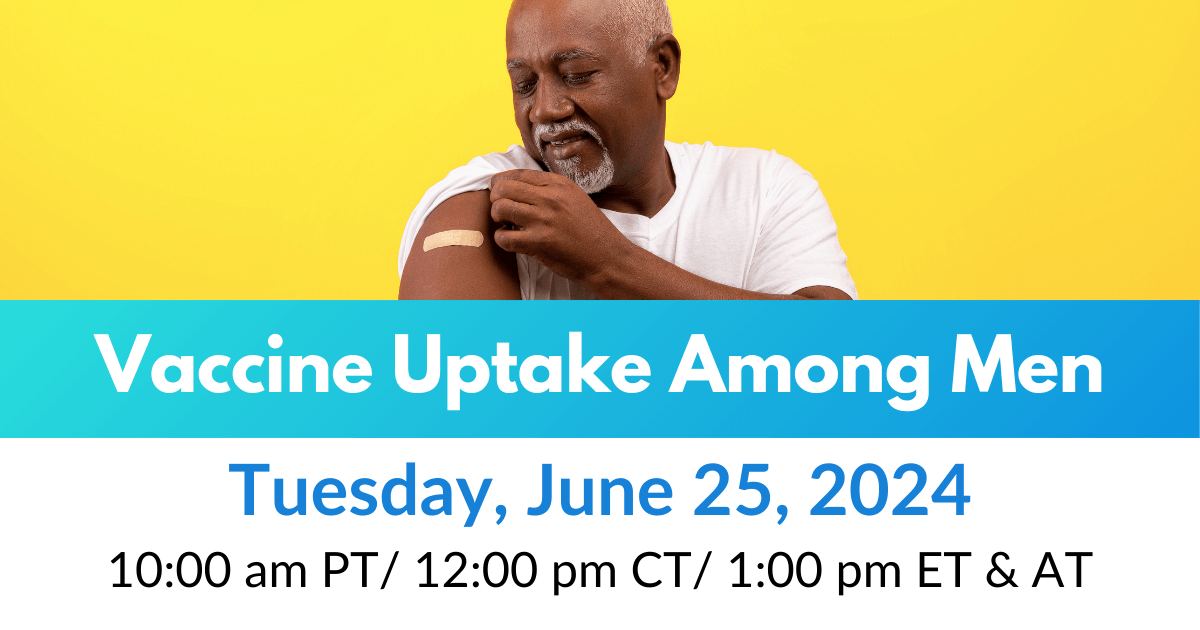
* This webinar will be provided in Spanish with simultaneous interpretation into English *
Vaccination is the single most important preventive medicine action worldwide. According to the Centers for Disease Control and Prevention’s Advisory Committee on Immunization Practices, vaccination is one of the safest, most recommended, and widely practiced preventive care measures available to preserve health among both children and adults.
However, in the US, immunization disparities continue to exist in vulnerable groups like migrants and people who speak Spanish as their first language. One of these groups is male migrant workers. Health care providers can craft culturally appropriate interventions to reach specific groups like male migrant workers and work towards a more equitable health system, by uncovering the social determinants of health that may be at play, and by working with the community to better understand the specific characteristics, challenges, barriers, and enablers that are common among the specific group. Ultimately, health care providers can build connections and bridges to better understand and address patients’ cultural elements and access obstacles, to create more equitable hyperlocal interventions.
Watch the Webinar Recording
Related Files
Take the Evaluation
At the conclusion of this presentation, participants will be able to…
- Understand which populations are at high risk for COVID-19 and other transmissible diseases including Spanish speakers and their additional barriers to being vaccinated.
- Discern the vaccine uptake factors and barriers among Spanish- and indigenous- language speakers related to immunizations.
- Learn effective strategies and resources for vaccine promotion from a participatory and hyper-local approach.
Presenters
Alma
Galván
MHC
Director of Training and Community Engagement
Migrant Clinicians Network
Alma Galván, MHC, is MCN's Director of Training and Community Engagement. Galván has worked for over three decades to improve the health of agricultural workers. She has extensive experience providing technical assistance and developing curricula and educational materials for adults with limited English proficiency and limited literacy, community health workers, health professionals, health educators, and clinicians. Galván has worked extensively with MCN partners, community-based organizations, health agencies, and local and state health departments.
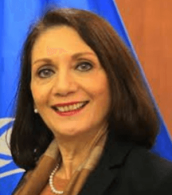
Nelly Salgado de Snyder, PhD, MA specializes in investigating social factors as determinants of vulnerability and risk for the development of health and mental health problems among immigrants of Mexican origin. Her research examines the elements that generate inequalities in the acquisition of personal, social, and institutional resources, and analyzes how culture and social support networks promote resilience and favorable environments for health and wellbeing. Her contributions inform service providers and policy makers on best practices to mitigate inequities and foster health promotion initiatives for all.
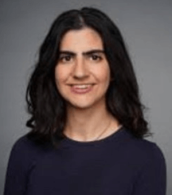
Lucía Abascal Miguel, MD, PhD, MS is a dedicated public health practitioner and researcher, focused on promoting health equity and addressing disparities in vulnerable populations. With a background in medicine and global health training from UCSF, she specializes in intervention design and implementation on a variety of topics including COVID-19 and routine immunization uptake among Spanish-speaking communities in California and Indigenous communities in California, Guatemala, and Mexico. She also works with the California Department of Public health as a public health physician and spokesperson and teaches health policy and systems in UT Austin.
Continuing Education Credit (CEU)
Application for CME credit has been filed with the American Academy of Family Physicians. Determination of credit is pending.
Migrant Clinicians Network is accredited as a provider of nursing continuing professional development by the American Nurses Credentialing Center's Commission on Accreditation.