In Puerto Rico, heat has become more than an inconvenience -- it’s a public health threat. For years, we’ve been told that the climate is changing, but what we’re experiencing now feels different: more intense, more frequent, and more unpredictable. These shifts are not overnight events. They are the result of decades of human-driven environmental change, now accelerating across the Caribbean.
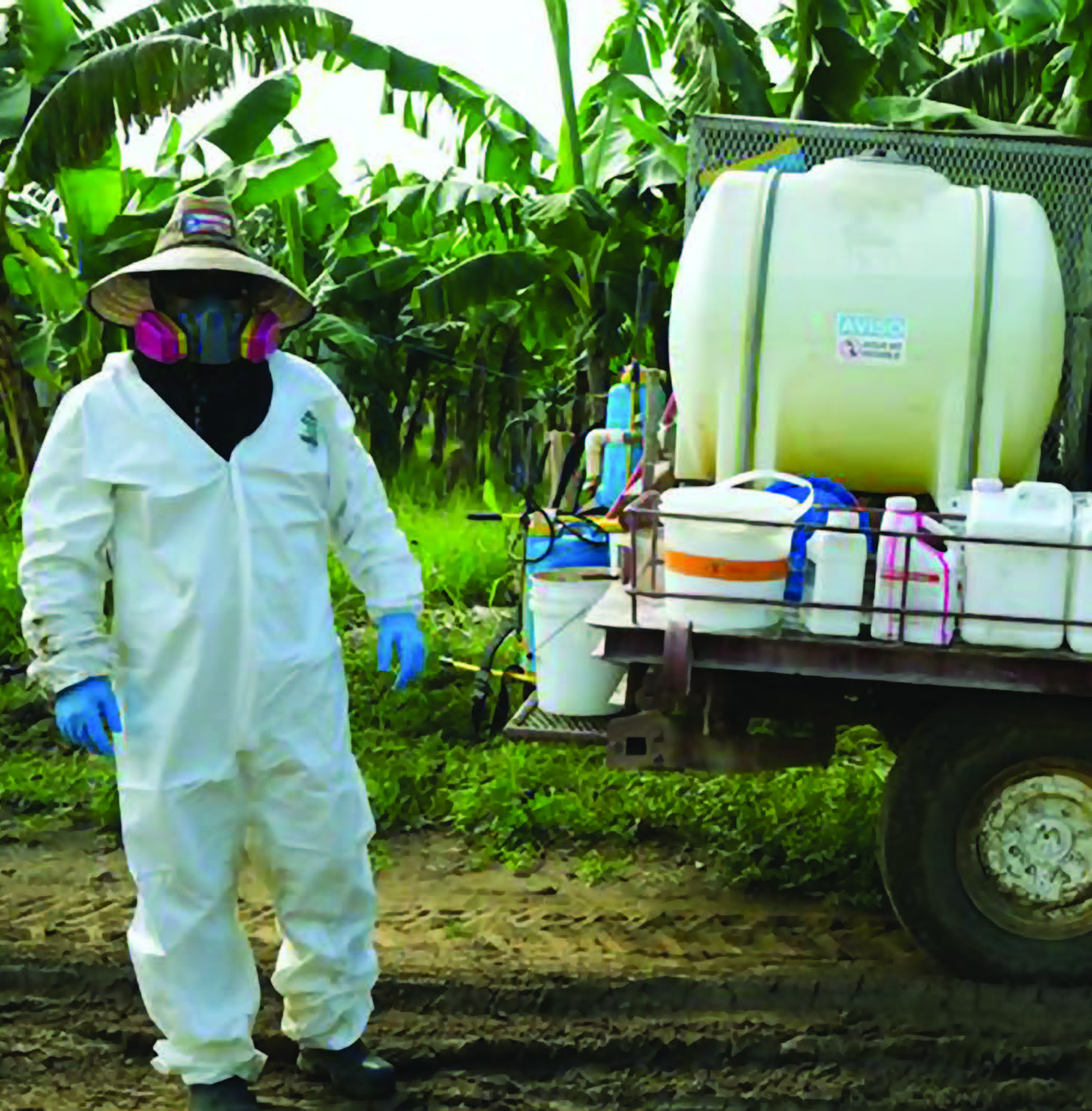
Not everyone faces these impacts equally. Agricultural and rural communities are among the most affected. A hurricane, a drought, or an extended heatwave can damage crops, interrupt livelihoods, and compromise both physical and mental health. These communities bear the burden of extreme weather on multiple fronts: economic, environmental, and emotional.
In this context, Community Health Centers (CHCs) play a crucial role. They are more than health care providers; they are lifelines, and trusted spaces that connect science with lived experience. Their staff often know every patient by name, every family’s story, and every local challenge. When emergencies strike, they are the first to respond and the last to leave.
I witnessed this firsthand through Migrant Clinicians Network’s (MCN) Building Capacity Among Community Health Centers to Address Weather-Related Extreme Phenomena on Agricultural Communities and Workers in Puerto Rico and the US Virgin Islands, a collaborative project designed to strengthen CHC capacity to respond to the health impacts of extreme weather. As a graduate student in environmental health, I was assigned to work with COSSMA, a community health center that serves several municipalities across Puerto Rico’s mountainous and coastal east.
A Legacy of Service
COSSMA has served low-income and agricultural communities since 1987, providing primary and preventive care to populations that often face barriers to access. For many residents, especially older adults and agricultural workers, COSSMA is their only source of care.
When Hurricane María devastated Puerto Rico in 2017, the CHC staff arrived to find their building heavily damaged. The zinc roof was torn away, equipment was ruined, and medical supplies were drenched. Yet, outside, a line of patients was already waiting. The team didn’t hesitate. They set up a temporary clinic under a tent on the sidewalk and began treating patients. That response captured the spirit of what community health looks like in Puerto Rico: adaptive, compassionate, and relentless.
Eight years later, that same resilience drives their work, but the threats have evolved. The hurricanes haven’t stopped, and now, extreme heat has joined the list of hazards. Blackouts during heatwaves, poor ventilation in zinc-roof homes, and worsening air quality are creating a dangerous combination for those with chronic illnesses.
Co-Creating an Educational Response
Our first meeting with COSSMA’s outreach and health education staff took place virtually in early June 2025. The conversation centered not on what we could teach, but on what they already knew: their deep understanding of local vulnerabilities, patient habits, and existing barriers. Together, we conducted a needs assessment to identify the most pressing concerns.
Three categories emerged:
- Policy and infrastructure gaps, like the lack of reliable electricity during disasters.
- Personal needs, such as insufficient preparation for hurricane season.
- Environmental challenges, especially extreme heat events.
Using these findings, we co-designed an outreach activity grounded in Module 1 of the MCN’s Support Curriculum for Health Service Providers — focused on understanding extreme weather-related events and strengthening response capacity. My colleague Héctor Méndez, who was focused on working with the health center's community on Module 5 on occupational health, and I joined forces to develop an interactive educational session for the community.
We held the activity on June 17, in the waiting area of COSSMA’s Yabucoa clinic. Patients sat shoulder to shoulder, waiting for appointments, some with their children or elderly parents. As we set up the presentation, we projected a short slideshow explaining how extreme heat affects the body, how to stay safe, and how to prepare for power outages.
After the talk, we distributed MCN’s bilingual educational materials on heat safety, hurricane preparedness, and energy resilience. In the pediatric waiting area, we also shared a coloring book about gardens and extreme weather, a simple but powerful tool to start conversations about environment and health at home.
Listening Between the Lines
What made this activity meaningful wasn’t just the content -- it was the dialogue that followed. People didn’t hold back. A woman caring for her bedridden father shared her struggle to keep him cool during Saharan dust events – here in Puerto Rico, dust from the far-off African desert reaches the Caribbean during the hottest summer and early fall months. Another patient, living in a zinc-roof home, which is common across Puerto Rico, spoke about the unbearable indoor temperatures during summer.
Their stories underscored what we already suspected: that health education cannot be one-size-fits-all. Each conversation revealed how environmental risks intertwine with daily realities like poverty, chronic illness, aging infrastructure, and isolation.
One moment that stayed with me came when a health educator joined us to counsel a patient with diabetes and hypertension. As she guided him through using a blood pressure monitor, she seamlessly wove in messages from our heat-safety session: stay hydrated, avoid peak-hour heat, monitor symptoms closely. It was a clear example of how CHC staff translate training into community-resonant care.
From Awareness to Action
What struck me most was the trust that existed between patients and the COSSMA team. People greeted educators with warmth and gratitude. You could sense the bond, one built on years of listening and shared struggle. It reminded me that CHCs are not external actors parachuting in with solutions; they are part of the social fabric of their communities.
Through this collaboration, I learned that technical assistance doesn’t mean instruction; it means accompaniment. Our role as students and public health professionals is to offer tools, training, and space for reflection that CHC teams can adapt and make their own.
The experience reaffirmed that impactful outreach doesn’t always require big budgets or high-tech resources. Sometimes, it starts with a single conversation in a waiting room, and the willingness to listen.
Continuing the Work
Puerto Rico’s future is uncertain, but the path toward extreme weather preparation is already being charted through local leadership. The COSSMA team continues to integrate disaster-health education into their outreach, and MCN remains committed to supporting this work with practical, evidence-based tools.
Projects like this demonstrate that good community preparation isn’t imported; it’s cultivated locally, through relationships of trust, care, and shared purpose. Seeing the Yabucoa community receive this kind of care, even amid so many challenges, reminded us that, even in the midst of loss, solidarity always blooms in our archipelago. It was a reminder that public health is also built from the heart.