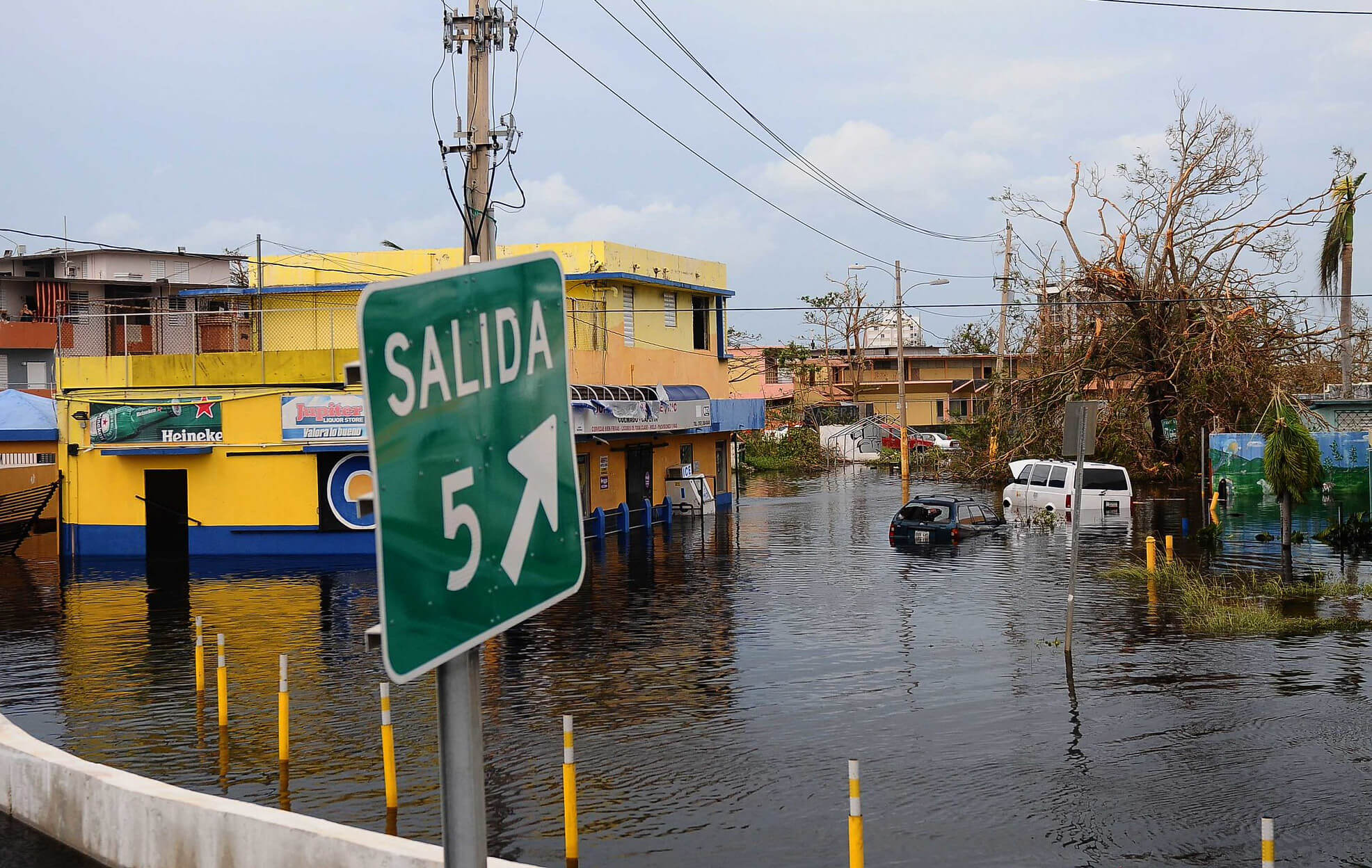
The air felt heavy with the history – and the resilience -- flowing through the community of Loíza, a coastal municipality just outside of San Juan, Puerto Rico. In June 2025, as we drove to our meeting with the Concilio de Salud Integral de Loíza (CSILO, Loíza Comprehensive Health Council), I could plainly see many of the vulnerabilities associated with extreme weather in this community. One was the weakened infrastructure caused by Hurricane Maria, and the other was Loíza’s geographic location and proximity to the coast.
When we parked the car and began walking toward CSILO, we had no idea what to expect, much less what we were about to face. The first thing I noticed was that all the educational materials CSILO had developed to promote a healthier community were in a pile on the table, as if no one was interested. But upon arriving at the office and beginning the meeting, CSILO expressed a wide variety of concerns they observed in their community, including transportation challenges, mental health stigma, and coastal erosion.
During the first phase of the meeting, I spoke with CSILO’s team about Module 4 of the curriculum on Community Health in the Face of Climate-Related Events. This module offers strategies for identifying environmental risks, including physical, biological, and chemical hazards, and strengthening community health in the face of extreme weather events. After further research, I identified other physical risks associated with extreme weather include flooding, coastal erosion, hurricanes, droughts, and wildfires.1 Further, during extreme weather events, the mobility of pollutants is altered, posing a chemical risk from pesticide application or from pollutants released into the air by wildfires.2 Additionally, extreme weather events can contribute to the spread of biological risks, such as viruses and bacteria. One example is leptospirosis, which can spread easily through contaminated water or soil.3 Although the Loíza community has prior experience dealing with extreme weather events like hurricanes, additional risks exist that can affect and limit community health.
With the CSILO staff, we reviewed the module and identified key areas that best suited the community. Through this assessment, a series of questions arose about how to develop strategies to identify environmental risks and strengthen community health in the face of extreme weather using educational tools and resources. “Why not develop educational materials that address mental health?” asked my colleague, Anna Sofía Laguerre López. One CSILO member wondered how to emphasize that topic if most of the community consists of older adults and it can be difficult to get the message across. Recalling the educational materials that CSILO had developed, I recommended we design printed materials that we can hand out in person while talking to each person, and create a more personalized experience for the community. Then my colleague came up with the idea of spreading the message through social media as well, suggesting that older generations like Facebook, so posting information there may increase receptivity and awareness. By the end of the meeting, we agreed that our project would be divided into three phases: creating a brochure and educational materials to distribute, a brief assessment, and finally, three videos to post on Facebook.
Our first task was to create a trifold brochure titled “Mental Health During Hurricane Season.” including valuable information drawn directly from the selected module and covered topics like mental health, hurricanes, risks associated with hurricanes, and emergency contacts and types of hurricane alerts. After creating the trifold, we developed a pamphlet with the same information, but in greater detail, so it could be distributed to participants. We then created a brief assessment so people could reflect on their emotions during hurricane season. During these activities, CSILO staff met with us to help record three different videos: the first, titled “Mental Health,” featuring Dr. Lexter Rosario; the second, titled “Social Inequalities,” featuring Milliam Carrasquillo; and the last, titled “Community Leader in Parcelas Suárez,” featuring Alexis Correa.
Each video had its own theme emphasizing community health. For example, the first video discussed the stigma surrounding mental health and how people often assume that only those with diagnosed mental health conditions seek these services. The second video described the barriers many people face in accessing the services CSILO provides; one example was the lack of transportation. The third and final video talked about coastal erosion and flooding that the community experiences due to its geographic location. During the Video 3 interview, Correa emphasized that coastal erosion represents a significant problem for the community, because it can weaken infrastructure and cause flooding that in the long run may allow environmental contaminants to enter and harm to the community.
Finally, it was time to go out into the community and make people feel heard. During this time, we had the incredible opportunity to attend two events, in Loíza and Luquillo. Both were held in clinic waiting rooms. As we set up our table and organized our educational materials, we noticed everyone’s curiosity. People were wondering what we were doing. As we continued with the preparations, I found myself wondering whether anyone would come to our table. Once we were finally ready, we waited for a while to see if anyone would come over, but no one did. So, we decided to take the information we had on the table to them. As we walked around and spoke with each person, explaining the importance of mental health during hurricane season, we noticed that a more personalized approach made community members feel much more comfortable and confident in their responses. In fact, many began sharing their personal experiences related to hurricane season.
At the end of the conversations, when we asked if they felt prepared to face another hurricane. Many said yes. However, when asked about their emotions ahead of hurricane season, many felt anxious and stressed, which highlights the importance of mental health awareness.
During the activities, we had the opportunity to speak with many people. One interaction stuck with me. When one person was asked if they had ever felt the need to seek mental health resources, they replied, “No, no, no, that’s for crazy people.” We emphasized that these services are not necessarily for people with severe behavioral conditions, but rather for anyone seeking to improve their mental health under stressful circumstances. These interactions resonated with what Dr. Rosario had explained in the video - working to eradicate this stigma in the community.
At the end of the week’s activities, barriers related to stigma surrounding mental health, limited transportation, and the environmental risks still persisted. Yet, the activities we carried out reached more than 100 community members, who received new information and education relevant to their needs in Loíza. Not only did it impact many people, but it also gave them the opportunity to be heard and recognized, which allowed us to build a stronger and safer community.