x

Resources By Category


My Health Is My Treasure: Embracing Life with Diabetes continues Goyo’s story as he manages life with type 2 diabetes. In this full-color comic book, available in Spanish, Goyo, an agricultural worker, connects with Chela, another farmworker with lived experience. Chela encourages him to care for his emotional well-being and reminds him that support exists in the community.

This comic book offers simple, practical tools for managing stress and caring for well-being in everyday life in a culturally responsive and accessible way. The comic book was originally produced in Spanish.

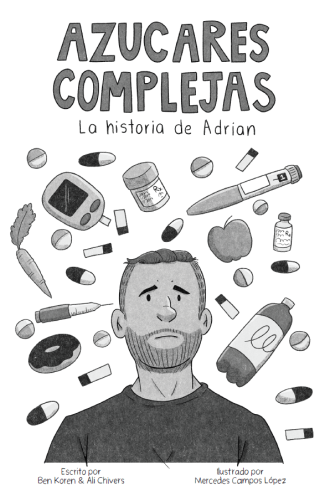
Esta es la verdadera historia de Adrián, su diagnóstico de diabetes y su aprendizaje gradual para retomar el control de su salud y encontrar maneras de vivir plenamente con una condición que presenta desafíos diarios.

El guión de este cómic se basó en una entrevista con Adrián, fue escrito por Ben Koren y Ali Chivers,  illustrado por Mercedes Campos López y editado por Enrique Campos Nañez.

Download Resource


Wildfire smoke poses a significant health risk, particularly for vulnerable populations such as farmworkers, given the nature of their jobs and their extended exposure to outdoor environments. This guide provides clinicians and community health workers (CHWs) with an overview of the effects of exposure to wildfire smoke, the reasons why farmworkers are more vulnerable to wildfire smoke, specific considerations for farmworkers, and practical strategies for preventive measures.

National STD Curriculum from the University of Washington STD Prevention Training Center. Provides information on different STDs and STIs, which are available for Quick Reference. There is also the option to Self-Study, allowing the user to track progress and receive Continuing Education credit.

From the CDC Morbidity and Mortality Weekly Report, Vol. 70, No. 4, published July 23, 2021. 

Summary: "These guidelines for the treatment of persons who have or are at risk for sexually transmitted infections (STIs) were updated by CDC after consultation with professionals knowledgeable in the field of STIs who met in Atlanta, Georgia, June 11–14, 2019. The information in this report updates the 2015 guidelines. These guidelines discuss 1) updated recommendations for treatment of Neisseria gonorrhoeae, Chlamydia trachomatis, and Trichomonas vaginalis; 2) addition of metronidazole to the recommended treatment regimen for pelvic inflammatory disease; 3) alternative treatment options for bacterial vaginosis; 4) management of Mycoplasma genitalium; 5) human papillomavirus vaccine recommendations and counseling messages; 6) expanded risk factors for syphilis testing among pregnant women; 7) one-time testing for hepatitis C infection; 8) evaluation of men who have sex with men after sexual assault; and 9) two-step testing for serologic diagnosis of genital herpes simplex virus. Physicians and other health care providers can use these guidelines to assist in prevention and treatment of STIs."

Download Resource

CDC framework for assisting clinicians in discussing the sexual health issues of a patient in order to obtain a more complete picture of the patient's overall health. The guide covers the clinical environment, the Five "P"s, and other dialogue with the patient that may arise by the end of the session.

CDC Guidelines, for clinicians, on the use of doxy PEP for the prevention of bacterial STIs. Provides education on prescribing doxy PEP (such as who benefits and for which STIs, potential side effects, etc.), what is still being researched, and a list of additional resources.


Migrant Clinicians Network spoke with Jeff Bender, DVM, MS, DACVPM, about the highly pathogenic avian influenza (HPAI) in dairies and what clinicians need to know. View some of the key moments of that interview here:


How Clinicians Can Prepare as the Situation Develops Signs and Symptoms Addressing the Mental Health Needs of Dairy Workers Don't Drink Unpasteurized Milk


Adults Get Vaccinated Too is an educational tool in the form of a comic book for health educators who work with the community and who need to provide information about vaccinations, when and where they are administered, and the symptoms that characterize the diseases they prevent.

Through a conversation between farmworkers in the field, this colorful and easy-to-understand comic book helps its readers to learn, in a simple and natural way, the importance of getting vaccinated and boosting their vaccines during their adulthood to prevent diseases such as hepatitis B, meningitis, chickenpox, influenza, tetanus, diphtheria, pertussis, measles, mumps, rubella and COVID-19.


COVID-19 and Our Community: Better Safe Than Sorry! is an educational material to support the work of community health workers on COVID-19 and its prevention. It is complemented by a guide with concrete suggestions on how to use the flipchart and links to resources for those who want to delve deeper into the subject and investigate if there are any changes in the information.

The flipchart includes basic concepts of COVID-19, prevention and vaccination in the form of clear and simple messages that are supported by culturally appropriate illustrations to facilitate the process of communicating and transmitting information to community members. You can download these resources for free in both English and Spanish.

Among the many obligations health care providers have to their patients, their families and life in general, they forget to put themselves on the priority list. This comic book dedicated to health care providers reminds them how important it is to take care of themselves to meet the needs of their patients and families. It also offers simple self-care steps to improve overall wellness.

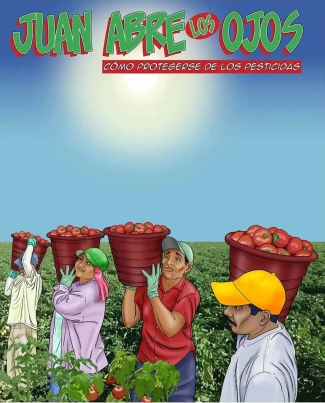
This comic book tells us how Juan learned to protect himself from pesticides at work. This resource presents in a very simple and entertaining way what are the sources of exposure to pesticides, their short- and long-term effects on the body, and what can be done to protect oneself from them. It is a great resource for farmworkers and promotores de salud!


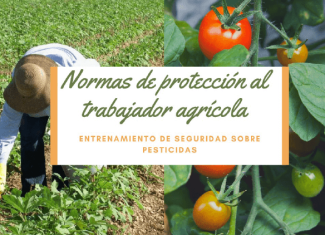
Worker Protection Standard Pesticide Safety Training Curriculum - Culturally and linguistically appropriate curriculum with supporting resources for training workers on the revised Worker Protection Standard. Developed by the Florida State University PISCA Project and Migrant Clinicians Network.


Diabetes is a common but complicated health condition facing agricultural workers within the United States. To help assist agricultural workers in learning about this diagnosis, Migrant Clinicians Network has partnered with professional artist and collaborator Salvador Sáenz to create “Mi salud es mi tesoro: Un guía para vivir bien con diabetes,” or, “My Health is My Treasure: A Guide to Living Well with Diabetes.” This low-literacy comic book explores the topic through the full-color story of an agricultural farmworker named Goyo, whose recent diagnosis of diabetes prompts him to engage in conversations with other agricultural workers on topics of diet, exercise, and illness prevention while facing the unique hurdles of living a life of migration. The comic book was originally produced in Spanish, and is now available in English below.


Download a digital copy of the comic book below!

Offers basic screening questions, common occupations and ailments associated with them, as well as recommended treatment. Also includes sample letters from clinicians to employers for restricted work.

"Coccidioidomycosis or Valley Fever is an infectious disease in parts of the U.S.A. It is caused by inhaling microscopic arthroconidia (also known as arthrospores or spores) of the closely related fungal species Coccidioides immitis and C. posadasii. Areas where Coccidioides is endemic (native and common) include states in the southwestern U.S.A. such as Arizona, California, New Mexico, Nevada, Texas, and Utah and parts of Mexico, Central America and South America."


Safety and Health Practicesfor Nail Salon Workers

Safety and Health Practicesfor Nail Salon Workers and a Training Guide for Nail Salon Worker Safety and Health Outreach Program


Download Resource

DATE: May 24, 2017, 1 pm (ET)

SPEAKERS: Juliana Simmons, MSPH, CHES


Recorded WebinarParticipant EvaluationPresentation SlidesResources


Continuing Education Credit

To receive CME* or CNE credit after viewing this webinar, you must:

Complete the Participant Evaluation associated with this webinarSend an email with your first and last name stating which webinar you completed to contedu@migrantclinician.org


Description

​José Navarro was excited for his new career after landing a job in the poultry industry. After five years on the job, 37 year-old Navarro began coughing up blood. He died soon after when his lungs and kidneys failed. His death triggered a federal investigation raising questions about the health risks associated with the use of toxic chemicals in poultry plants.

Millions of workers are exposed to chemicals everyday on the job. All workers have the right to know about the chemicals they work with and community health workers can be an important source of information and support for workers. This workshop will teach community health workers how to explain what happens when someone is exposed to chemicals and how workers can best protect themselves


Learning ObjectivesRecognize how workers become exposed to chemicals and illnessesDescribe basic safety practices when working around chemicalsUnderstand the role of community health workers in identifying and preventing work related illnesses and hazards


This project is supported by the Health Resources and Services Administration (HRSA) of the U.S. Department of Health and Human Services (HHS) under cooperative agreement number U30CS09742, Technical Assistance to Community and Migrant Health Centers and Homeless for $1,094,709.00 with 0% of the total NCA project financed with non-federal sources. This information or content and conclusions are those of the author and should not be construed as the official position or policy of, nor should any endorsements be inferred by HRSA, HHS or the U.S. Government.
 

Available in English and Spanish!


Created by MCN, medical student Rachel Kelley of UCSF, and collaborators at East Tennessee State University, this guide is intended to be a reference for health care providers who work with people employed in the U.S. tomato industry. It aims to prepare providers with a more detailed understanding of hazards, health issues, and work processes associated with different tomato industry jobs.

This guide draws on published research, experienced health professionals’ advice, and information gathered from interviews and focus groups conducted with 36 tomato workers from diverse backgrounds and 14 community leaders familiar with tomato workers’ health in multiple states. It is important to note that health and safety conditions at any particular farm or company may vary from what is described here. Furthermore, individual workers may experience the same set of conditions differently.

The first section of the guide focuses on health hazards and health conditions commonly encountered in tomato production. The second section consists of detailed descriptions and illustrations of different tomato production tasks. The third section covers “human resources” information and policies that apply to U.S. agricultural workers generally. The appendices contain a Spanish-English glossary, further detail about different types of pesticides, information about agricultural occupational health policies and regulation, and a list of resources and readings.

A guide to know how to react when you see someone being harassed. Art and script by Uriel Saenz and Alma Galván.


An educational comic book on the prevention of zoonotic illnesses. Developed by MCN in collaboration with Ohio State University.

MCN and Farmworker Justice offer these guides to assist clinicians in understanding farmworker health and safety regulations. OSHA’s Field Sanitation Standard; EPA's Federal Insecticide, Fungicide, and Rodenticide Act (FIFRA); EPA's  Food Quality Protection Act (FQPA); EPA’s Worker Protection Standard (WPS).

Este diccionario ilustrado bilingüe de MCN, "Seguridad en Palabras/ Safety in Words", muestra los peligros que hay en el lugar de trabajo y las mejores prácticas para la salud y la seguridad en la agricultura. Desarrollado con el apoyo del Programa de Subvenciones Susan Harwood de OSHA, este recurso refuerza el vocabulario en inglés de los trabajadores que hablan español lo que ayudará a prevenir lesiones en la agricultura. 

Download Resource

Three concise and effective environmental/occupational health screening questions for the primary care provider. English and Spanish. MCN, 2014.

An EHR-friendly version of these screening questions was developed through MCN's Workers & Health Program. This can be used as a reference for integration into the health center's Electronic Health Record. 

Download Resource