READ IN ENGLISH
El mundo continúa lidiando con COVID-19 y no se alcanza la inmunidad colectiva y el escepticismo, resistencia y vacilaciones sobre las vacunas continúa representando un gran obstáculo. Durante los primeros meses del esfuerzo de vacunación, el cineasta Chris Newberry y su equipo siguieron a un conjunto diverso de profesionales de la salud mientras ganaban la confianza de las comunidades en riesgo en todo Minnesota. El documental resultante es un tributo a los médicos, enfermeras, organizadores y personas influyentes que están adoptando los esfuerzos liderados por la comunidad para superar las dudas sobre las vacunas.
Las guías de discusión para el documental se pueden encontrar aquí: Ingles / Español
Conversación con los creadores de la película y un panel de expertos:
Quien desee ponerse en contacto con los productores con preguntas o ayuda en la organización de su propio evento VOCES DE CONFIANZA, puede contactarnos aquí:

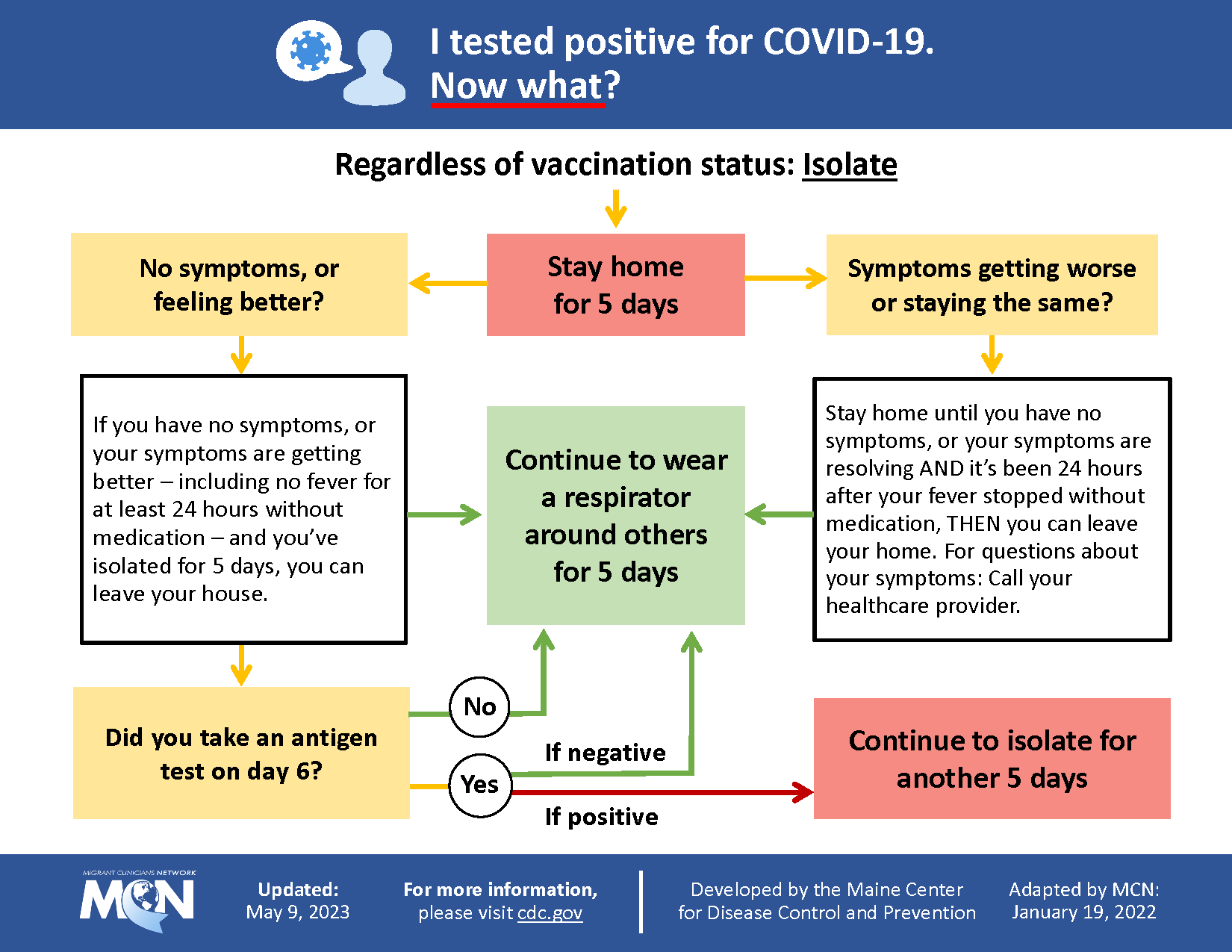
- 2023-5-9_I-Tested-Positive-COVID_Flowchart.pdf (105.16 KB)
- 2023-5-9_I-Tested-Positive-COVID_Flowchart.png (34.13 KB)
- 2023-5-9_He-dado-positivo-a-COVID19-Que-hago-ahora_0.pdf (106.22 KB)
- 2023-5-9_He-dado-positivo-a-COVID19-Que-hago-ahora_imagen_0.png (34.83 KB)
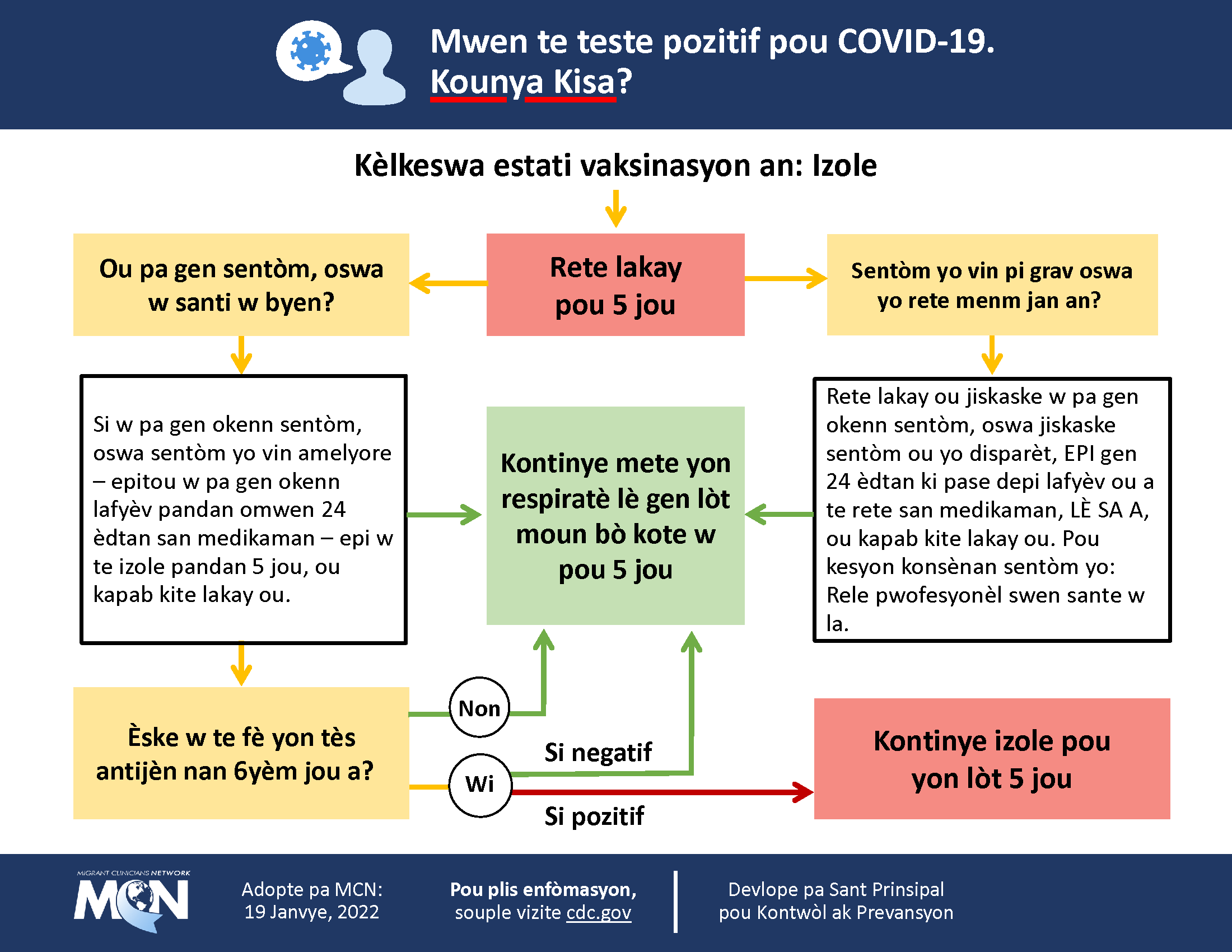
- 2023-6-30_Mwen-te-teste-pozitif-pou-COVID-19_Resous.pdf (102.83 KB)
- 2023-6-30_Mwen-te-teste-pozitif-pou-COVID-19_Resous.png (51.97 KB)
- 2022_Prioritize Fun.pdf (460.26 KB)
- 2024-08-05_Modèl_depliyan_sou-vaksen-COVID-pou Timoun1.pdf (601.66 KB)
- 2024-08-05_Modèl_depliyan_sou-vaksen-COVID-pou Timoun1.pptx (7.57 MB)
- 2024-08-05_Children-COVID-Vaccine-Trifold_Handout_Template1.pdf (638.71 KB)
- 2024-08-05_Children-COVID-Vaccine-Trifold_Handout_Template1.pptx (9.99 MB)
- 2024-08-05_Niños-COVID-Vacuna-Tríptico_Material-de-apoyo_Plantilla1.pdf (666.67 KB)
- 2024-08-05_Niños-COVID-Vacuna-Tríptico_Material-de-apoyo_Plantilla1.pptx (7.58 MB)

- A DAILY PRACTICE TO RESTORE EQUANIMITY.pdf (60.07 KB)
This resource provides parents with instructions on ways you can help prevent the COVID-19 virus from transmitting to children, including information about approved vaccines for each age group. Additionally, it provides resources for more information including places you can go to get your child vaccinated. This resource is available in pre-made and template format, and in three languages including English, Spanish, and Haitian Creole.
- 2024-08-05_Children-COVID-Vaccine-Trifold_Handout_Template1.pdf (638.71 KB)
- 2024-08-05_Children-COVID-Vaccine-Trifold_Handout_Template1.pptx (9.99 MB)
- 2024-08-05_Niños-COVID-Vacuna-Tríptico_Material-de-apoyo_Plantilla1.pdf (666.67 KB)
- 2024-08-05_Niños-COVID-Vacuna-Tríptico_Material-de-apoyo_Plantilla1.pptx (7.58 MB)
- 2024-08-05_Modèl_depliyan_sou-vaksen-COVID-pou Timoun1.pdf (601.66 KB)
- 2024-08-05_Modèl_depliyan_sou-vaksen-COVID-pou Timoun1.pptx (7.57 MB)
This resource provides information regarding COVID-19 vaccination and pregnancy. It confirms that the COVID-19 vaccine is completely safe to receive before, during, and after pregnancy. Additionally, it provides resources for more information including places you can go to receive a vaccination, and overviews vaccine effectiveness and COVID-19 prevention. This resource is available in pre-made and template format, and in three languages including English, Spanish, and Haitian Creole.
- 2024-08-05_Pregnancy-COVID-Vaccine-Trifold_Handout_Template.pdf (548.41 KB)
- 2024-08-05_Pregnancy-COVID-Vaccine-Trifold_Handout_Template.pptx (9.65 MB)
- 2024-08-05_Embarazo-COVID-Vacuna-Tríptico_Material-de-apoyo_Plantilla.pdf (587.29 KB)
- 2024-08-05_Embarazo-COVID-Vacuna-Tríptico_Material-de-apoyo_Plantilla.pptx (9.65 MB)
- 2024-08-05_Model_depliyan_sou-vaksen-COVID-pou-fanm-ansent.pdf (548.78 KB)
- 2024-08-05_Model_depliyan_sou-vaksen-COVID-pou-fanm-ansent.pptx (9.64 MB)
This publication was supported by the Health Resources and Services Administration (HRSA) of the U.S. Department of Health and Human Services (HHS) as part of an award totaling $ 1,310,460 with 0 percentage financed with non-governmental sources. The contents are those of the author(s) and do not necessarily represent the official views of, nor an endorsement, by HRSA, HHS, or the U.S. Government. For more information, please visit HRSA.gov.
- 2022-4-28_Questions-for-Staff-to-Address-Current-Organizational-Tensions_Handout.pdf (132.17 KB)
- 20D466~1.PDF (127.83 KB)
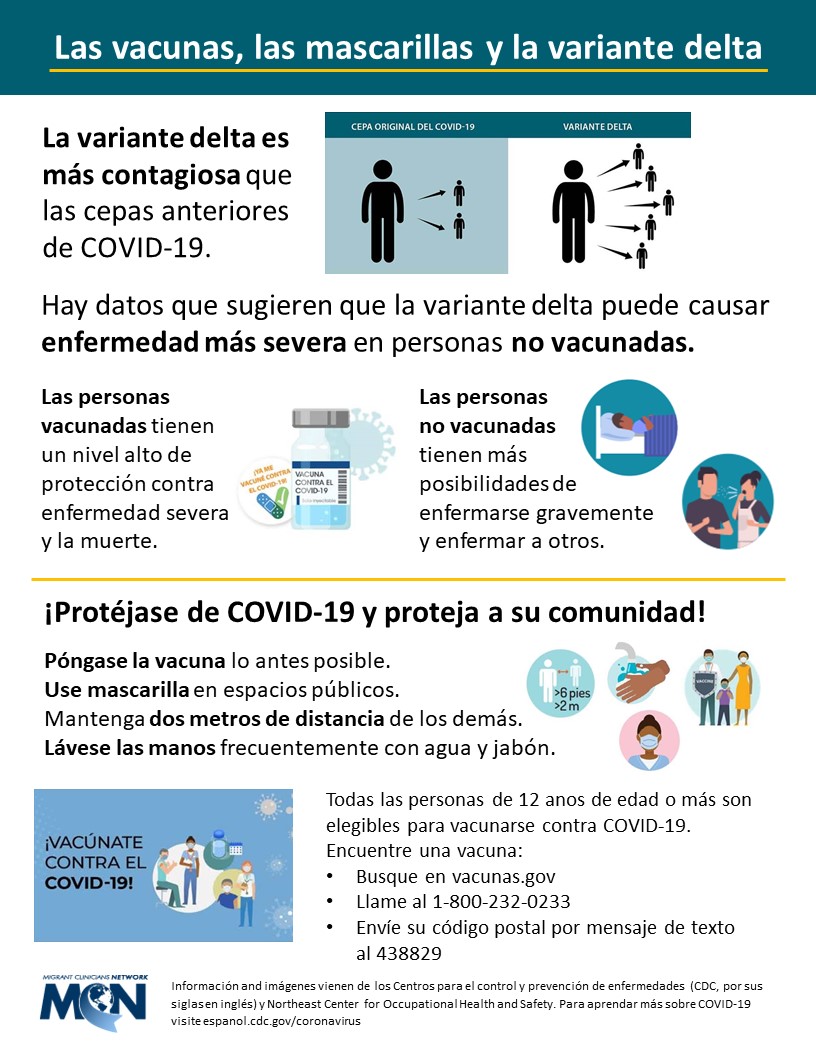
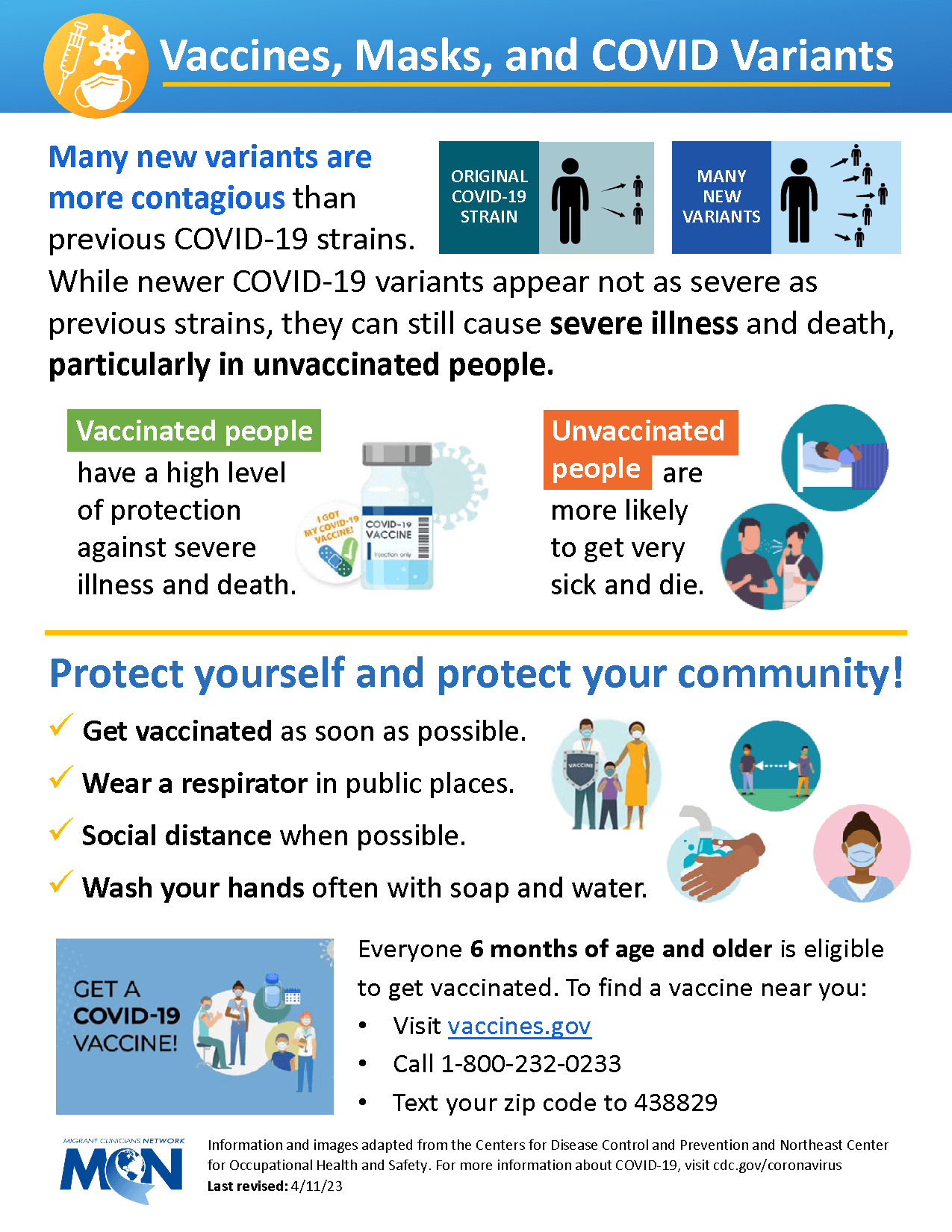
This resource provides information confirming the safety and effectiveness of the COVID-19 vaccine. It also includes recommendations for receiving the vaccine and COVID-19 prevention. This resource is available in pre-made and template format, and in three languages including English, Spanish, and Haitian Creole.
- 2024-08-05_General-COVID-Vaccine-Trifold_Handout_Template1.pdf (450.47 KB)
- 2024-08-05_General-COVID-Vaccine-Trifold_Handout_Template1.pptx (5.03 MB)
- 2024-08-05_General-COVID-Vacuna-Tríptico_Material-de-apoyo_Plantilla1.pdf (446.88 KB)
- 2024-08-05_General-COVID-Vacuna-Tríptico_Material-de-apoyo_Plantilla1.pptx (5.02 MB)
- 2024-08-05_Modèl_depliyan_sou-vaksen-COVID-Jeneral.pdf (413.37 KB)
- 2024-08-05_Modèl_depliyan_sou-vaksen-COVID-Jeneral.pptx (4.92 MB)
Guía del proveedor de servicios de salud para enfermedades relacionadas con el calor - Junio de 2021
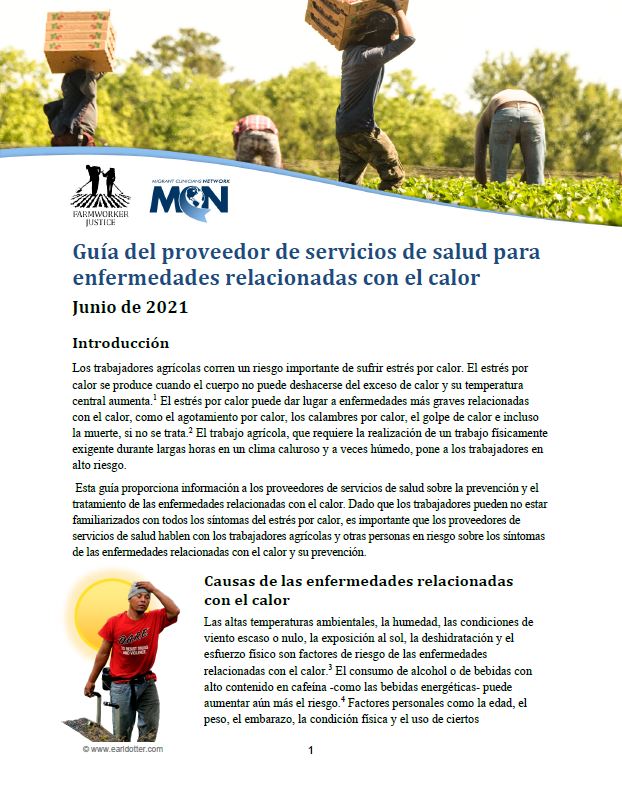
Los trabajadores agrícolas corren un riesgo importante de sufrir estrés por calor. El estrés por calor se produce cuando el cuerpo no puede deshacerse del exceso de calor y su temperatura central aumenta. El estrés por calor puede dar lugar a enfermedades más graves relacionadas con el calor, como el agotamiento por calor, los calambres por calor, el golpe de calor e incluso la muerte, si no se trata. El trabajo agrícola, que requiere la realización de un trabajo físicamente exigente durante largas horas en un clima caluroso y a veces húmedo, pone a los trabajadores en alto riesgo.
Esta guía proporciona información a los proveedores de servicios de salud sobre la prevención y el tratamiento de las enfermedades relacionadas con el calor. Dado que los trabajadores pueden no estar familiarizados con todos los síntomas del estrés por calor, es importante que los proveedores de servicios de salud hablen con los trabajadores agrícolas y otras personas en riesgo sobre los síntomas de las enfermedades relacionadas con el calor y su prevención.
This joint FJ and MCN publication was supported by the Health Resources and Services Administration (HRSA) of the U.S. Department of Health and Human Services (HHS) as part of awards totaling $1,949,598 with 0% financed with non-governmental sources. The contents are those of the authors and do not necessarily represent the official views of, nor an endorsement by, HRSA, HHS, or the U.S. Government. For more information, please visit HHS.gov.
Agricultural workers are at significant risk for heat stress. Heat stress results when the body cannot get rid of excess heat and its core temperature rises. Heat stress may lead to more severe heat illness including heat exhaustion, heat cramps, heat stroke, and even death if left untreated. Agricultural work, which requires performing physically demanding work for long hours in hot and sometimes humid weather, places workers at high risk.
This guide provides information to clinicians on the prevention and treatment of heat-related illness. Since workers may not be familiar with all of the symptoms of heat stress, it is important that clinicians discuss heat illness symptoms and prevention with agricultural workers and others who are at risk.
This joint FJ and MCN publication was supported by the Health Resources and Services Administration (HRSA) of the U.S. Department of Health and Human Services (HHS) as part of awards totaling $1,949,598 with 0% financed with non-governmental sources. The contents are those of the authors and do not necessarily represent the official views of, nor an endorsement by, HRSA, HHS, or the U.S. Government. For more information, please visit HHS.gov.
- 2021_Heat-Stress_Clinicians-Guide_0.pdf (1.02 MB)
This colorful vaccine calendar comic gives low-literacy information on vaccines and some information on why adults need immunizations, too. Available in high resolution to download and print into poster size.
Worker Protection Standard Pesticide Safety Training Curriculum - Culturally and linguistically appropriate curriculum with supporting resources for training workers on the revised Worker Protection Standard. Developed by the Florida State University PISCA Project and Migrant Clinicians Network.
- WPS PesticidasEnglishFINAL4_2021Website.pptx (33.52 MB)
- WPS PesticidasSpanishFINAL4_2021_Website.pptx (19.67 MB)
- WPSPesticidesFlipChartFINAL_1_23_2020.pdf (8.32 MB)
- WPS Pesticide Facilitator Guide English 2020.pdf (2.03 MB)
- WPS Pesticide Training Facilitator Guide Spanish 2020.pdf (1.99 MB)
- Juan Abre los Ojos como protegerse de los pesticidas (01 14 2020)_0.pdf (7.25 MB)
This almost real-time map shows where COVID-19 cases have been reported, all over the world, which provides some perspective and allows for a visual understanding of the spread as it progresses.
NACHC’s new FAQ runs down a number of additional resources not covered here, specifically tailored for health centers.
HRSA’s new COVID-19 FAQs give some overview on the health center requirements around emergency preparedness as well as recommendations for communications from health centers.
Diabetes is a common but complicated health condition facing agricultural workers within the United States. To help assist agricultural workers in learning about this diagnosis, Migrant Clinicians Network has partnered with professional artist and collaborator Salvador Sáenz to create “Mi salud es mi tesoro: Un guía para vivir bien con diabetes,” or, “My Health is My Treasure: A Guide to Living Well with Diabetes.” This low-literacy comic book explores the topic through the full-color story of an agricultural farmworker named Goyo, whose recent diagnosis of diabetes prompts him to engage in conversations with other agricultural workers on topics of diet, exercise, and illness prevention while facing the unique hurdles of living a life of migration. The comic book was originally produced in Spanish, and is now available in English below.
Download a digital copy of the comic book below!
- 2022-6-13_My-Health-Is-My-Treasure_Comic_WEB.pdf (4.97 MB)
- 2022-6-13_My-Health-Is-My-Treasure_Comic_PRINT.pdf (38.95 MB)
- 2023-8-4_Mi-salud-es-mi-tesoro_Comic_WEB_0.pdf (4.87 MB)
- 2023-8-4_Mi-salud-es-mi-tesoro_Comic_PRINT.pdf (38.74 MB)
- 2023-8-21_Mi-salud-es-mi-tesoro_PuertoRico_Web_0.pdf (5.74 MB)
- 2023-8-21_Mi-salud-es-mi-tesoro_PuertoRico_PRINT.pdf (40.76 MB)
Application Deadline: 04/15/2018 at 5 pm CST
The Underserved Occupational Populations Section of ACOEM is sponsoring one $1,000 scholarship to qualified residents and medical students interested in making significant contributions to the field of underserved occupational medicine.The scholarship was established in honor of Joseph A. Fortuna, MD, FACOEM who founded the Underserved Occupational Populations Section of ACOEM and who was a tireless supporter of underserved workers and their families.
- JAF Memorial Scholarship to AOHC.3.pdf (284.44 KB)
This new poll, taken by Migrant Clinicians Network in January and February 2018, reflected the experiences of clinical staff from 26 states across the country. Respondents came from every corner of the clinic; occupations listed include Physician, Executive Director, Dental Assistant, Outreach Specialist, Therapist, Community Health Worker, Registered Nurse, and 24 other occupations. The poll follows up on MCN’s 2017 poll, in which 63 percent of respondents indicated that immigrant and mobile patients’ attitudes and feelings toward health care access had changed.
- Poll Results February 2018.pdf (92.89 KB)