x

Resources By Category

These resources feature printable stickers designed to promote vaccination. They can be printed or used as images on social media to reach audiences from different countries while encouraging vaccination. The flags-colored V-mark stickers represent the U.S., Haiti, and different countries in Latin America.


These image-centric and engaging resources can help clinicians reach refugee, immigrant, and migrant communities with important information regarding getting vaccinated. The flyers are available in English, Spanish, and Haitian Creole, and both pre-made and editable versions are available. Users can insert their organization logo as well as state-specific information such as their state vaccine sign-up website and vaccine customer service phone number. Along with these fliers, MCN has created a simple ‘how-to’ video (see above) for editing the fliers.

The original designs for this resource were created by a staff member of East Coast Migrant Head Start Project who is the daughter of a farmworker, and who had once gone to East Coast Migrant Head Start Project centers herself. The flyers were adapted by MCN. 

Show your support of the vaccine in your community! MCN’s #YoMeLaPuse campaign offers five beautifully designed posters showing people of various ages after their vaccination that are available for download and printing. A sixth poster is customizable, allowing communities to paste in a photo of a local religious leader, or community health care providers, or other community leader who is proud to have gotten the vaccine. The posters are accompanied by a short video in Spanish, which can be played at community events and in waiting rooms.

Templates for creating your own posters are available below.


This colorful vaccine calendar comic gives low-literacy information on vaccines and some information on why adults need immunizations, too. Available in high resolution to download and print into poster size.


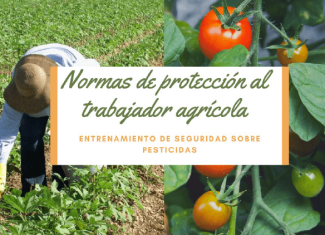
Worker Protection Standard Pesticide Safety Training Curriculum - Culturally and linguistically appropriate curriculum with supporting resources for training workers on the revised Worker Protection Standard. Developed by the Florida State University PISCA Project and Migrant Clinicians Network.

This list of resources compiled by the federal government of Mexico were chosen because the Mexican government is doing a commendable job alerting their health workers to new essential information and providing easy to understand resources. With a limited number of Spanish language resources available in the US, this list fills important gaps. 

These infographics and social media cards are simple and bright. The order in which the recommendations are presented is great. 

This list of resources was selected because of the breadth of languages and the simplicity of the infographics. 

APHA's Get Ready campaign helps Americans prepare themselves, their families and their communities for all disasters and hazards, including pandemic flu, infectious disease, natural disasters and other emergencies.

The Hesperian provides excellent patient education material on COVID-19 in a number of languagues for use internationally or with immigrant communiites in the United Sates. 


Diabetes is a common but complicated health condition facing agricultural workers within the United States. To help assist agricultural workers in learning about this diagnosis, Migrant Clinicians Network has partnered with professional artist and collaborator Salvador Sáenz to create “Mi salud es mi tesoro: Un guía para vivir bien con diabetes,” or, “My Health is My Treasure: A Guide to Living Well with Diabetes.” This low-literacy comic book explores the topic through the full-color story of an agricultural farmworker named Goyo, whose recent diagnosis of diabetes prompts him to engage in conversations with other agricultural workers on topics of diet, exercise, and illness prevention while facing the unique hurdles of living a life of migration. The comic book was originally produced in Spanish, and is now available in English below.


Download a digital copy of the comic book below!

These Spanish and English cholesterol patient education resources were developed by the University of Texas Health Science Center at Houston and the School of Public Health, El Paso Regional Campus. The artwork was done by Salvador Saenz, a well-known and respected public health educator and artist based in El Paso, TX

These Spanish and English hypertension patient education resources were developed by the University of Texas Health Science Center at Houston and the School of Public Health, Ele Paso Regional Campus. The artwork was done by Salvador Saenz, a well-known and respected public health educator and artist based in El Paso, TX. 

¡Hazlo por ellos! Pero por ti también. Historias de tres mujeres latinas y sus desafíos y éxitos en mantener un estilo de vida saludable para disminuir o retrasar el desarrollo de la diabetes tipo 2. Disponible en español e inglés.

 Incluye guías, carteles, concursos, música y podcasts, y recursos de capacitación y evaluación. Disponible en español.

This resource offers training for community based organizations and workers in the aftermath of natural disasters. It includes educational materials as well as trainer guides and tools.

Blog post from the U.S. Department of Labor highlighting common hazards during hurricane cleanup as well as links to additional readings.

Information on keeping food and water safe for consumption and best hygiene practices in the face of disasters.

Offers tips about potential hazards and protective strategies during disaster cleanup.

Resources in English and Spanish from Florida State University's Center for Child Stress and Health on how to talk to a child about deportation and associated stress.

Download Resource


Available in English and Spanish!


Created by MCN, medical student Rachel Kelley of UCSF, and collaborators at East Tennessee State University, this guide is intended to be a reference for health care providers who work with people employed in the U.S. tomato industry. It aims to prepare providers with a more detailed understanding of hazards, health issues, and work processes associated with different tomato industry jobs.

This guide draws on published research, experienced health professionals’ advice, and information gathered from interviews and focus groups conducted with 36 tomato workers from diverse backgrounds and 14 community leaders familiar with tomato workers’ health in multiple states. It is important to note that health and safety conditions at any particular farm or company may vary from what is described here. Furthermore, individual workers may experience the same set of conditions differently.

The first section of the guide focuses on health hazards and health conditions commonly encountered in tomato production. The second section consists of detailed descriptions and illustrations of different tomato production tasks. The third section covers “human resources” information and policies that apply to U.S. agricultural workers generally. The appendices contain a Spanish-English glossary, further detail about different types of pesticides, information about agricultural occupational health policies and regulation, and a list of resources and readings.
A kit from the CDC designed to help reduce the risk of infection by the Zika virus. "If you live in a state or area with the mosquito that spreads the Zika virus and are concerned about Zika, build your own Zika Prevention Kit (...). Reducing the risk for Zika is particularly important for pregnant women."

A guide to know how to react when you see someone being harassed. Art and script by Uriel Saenz and Alma Galván.

A flier created by the CDC's National Diabetes Education Program as a guide for patients in the management of medicines to treat diabetes. Available in English.

Download Resource


An educational comic book on the prevention of zoonotic illnesses. Developed by MCN in collaboration with Ohio State University.

Este diccionario ilustrado bilingüe de MCN, "Seguridad en Palabras/ Safety in Words", muestra los peligros que hay en el lugar de trabajo y las mejores prácticas para la salud y la seguridad en la agricultura. Desarrollado con el apoyo del Programa de Subvenciones Susan Harwood de OSHA, este recurso refuerza el vocabulario en inglés de los trabajadores que hablan español lo que ayudará a prevenir lesiones en la agricultura. 

Download Resource

This colorful bilingual comic addresses workers' compensation and immigrant dairy farm workers’ rights and responsibilities. It tells the story of a Mexican dairy farm worker who is injured on the job and the steps he and his employer take to make sure he receives his benefits, and the farm improves its safety.